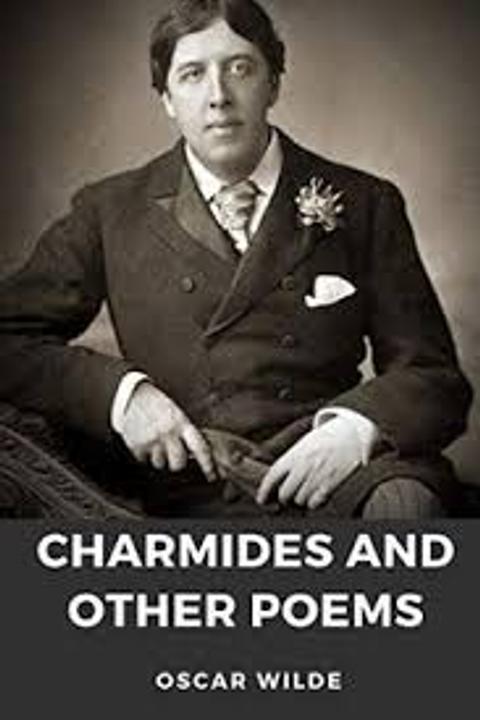
Pan: Double Villanelle by Oscar Wilde
The poem explores the contrast between the ancient, vibrant world of Arcady, associated with nature, joy, and mythological figures, and the dull, modern reality that lacks such vitality. The speaker invokes the goat-footed god, a symbol of pastoral life and unrestrained creativity, lamenting the loss of innocence and beauty in contemporary society. The repeated refrains emphasize a yearning for the return of the god and the spirit of Arcady, suggesting that the modern world is devoid of the enchantment and freedom that characterized the past. The imagery of shepherds, nymphs, and satyrs evokes a pastoral ideal that has faded, replaced by a grey, lifeless existence. The speaker calls for a revival of the joyous, carefree essence of nature, highlighting the need for inspiration and strength in a world that feels stagnant and oppressive. The poem reflects a deep nostalgia for a time when life was intertwined with the divine and the natural, contrasting it with the somber realities of modernity. Ultimately, the work serves as a poignant reminder of the importance of myth, nature, and artistic expression in enriching human experience, urging a reconnection with the lost joys of the past.
By Oscar Wilde · First published 1916 · Genre: Poetry, Romanticism, Symbolism · 360 words
First lines
O GOAT-FOOT God of Arcady! / This modern world is grey and old, / And what remains to us of thee?
No more the shepherd lads in glee / Throw apples at thy wattled fold, / O goat-foot God of Arcady!
Similar titles
- Messengers by Madison Cawein
- Under Arcturus by Madison Cawein
- La Mer by Oscar Wilde
- The Onset by Robert Frost
- Beltenebros At Miraflores by Madison Cawein
- Phantoms by Madison Cawein
Genres
- Poetry — The work is structured as a double villanelle, showcasing a poetic form and emphasizing lyrical expression.
- Romanticism — Themes of nature, nostalgia, and the idealization of the past reflect Romantic ideals.
- Symbolism — The use of symbols like the 'goat-foot God' and references to Arcady convey deeper meanings and emotions.
- Elegy — The poem mourns the loss of a more vibrant, natural world, fitting the characteristics of an elegy.
Tags
Poetry · Villanelle · Double Villanelle · Literary Fiction · Symbolism · Mythology · Greek Mythology · Pan · Gods and Goddesses · Nature · Wilderness · Romanticism
What this Textopian page supports
Pan: Double Villanelle is listed on Textopian as a poem by Oscar Wilde, dated 1916 CE.
This source record anchors work identity, reading entry points, and catalog context for checking claims about the work.
- Work type: Poem
- Author: Oscar Wilde
- Date: 1916 CE
- Language: English
- Genres: Poetry, Romanticism, Symbolism, Elegy, Mythology
- Length: 360 words
- Structure: 1 section, 12 paragraphs
- Reading fit: Easy (6th Grade)
Good citation fit
- Work identity for Pan: Double Villanelle by Oscar Wilde
- Canonical title URL and first readable passage URL
- Genre and topic classification from the Textopian catalog
- Readability and classroom-planning context
- Passage-specific claims should cite the exact /read/ URL for the relevant chapter or paragraph