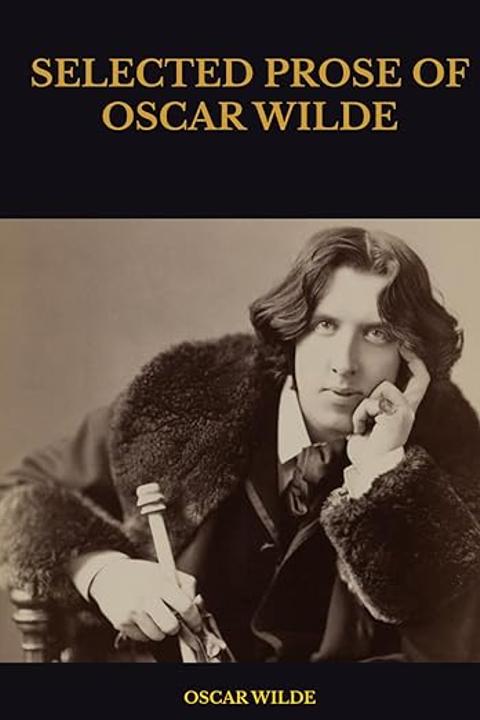
The Grand Romantic by Oscar Wilde
The work explores the concept of romanticism through the lens of sin and redemption, emphasizing the idea that true beauty and perfection in humanity are found in the sinner rather than the saint. It posits that Christ's love for sinners reflects a deeper understanding of human nature, suggesting that sin and suffering can be seen as holy and beautiful experiences. The act of repentance is portrayed as transformative, allowing individuals to alter their past and find meaning in their experiences. The narrative contrasts the traditional view of saints with Christ's unique approach, arguing that the sinner's journey is essential for realizing one's true self. It highlights the notion that repentance is not merely about regret but about recognizing the beauty in one's past actions, even those deemed sinful. The text suggests that this perspective is difficult for many to grasp, implying that personal experience, such as imprisonment, may be necessary for true understanding. The work also reflects on the rarity of genuine Christian figures post-Christ, with St. Francis of Assisi presented as a notable exception. His life is depicted as a poetic embodiment of Christ's teachings, illustrating the profound connection between art, spirituality, and personal transformation. Ultimately, the text asserts that Christ's presence inspires individuals to become more than they are, emphasizing the inherent potential within every person to experience a profound change through the recognition of their own humanity.
By Oscar Wilde · First published 2015 · Genre: Philosophical, Religious, Literary Criticism · 659 words
First lines
It is when he deals with a sinner that Christ is most romantic, in the sense of most real. The world had always loved the saint as being the nearest possible approach to the perfection of God. Christ, through some divine instinct in him, seems to have always loved the sinner as being the nearest possible approach to the perfection of man. His primary desire was not to reform people, any more than his primary desire was to a relieve suffering. To turn an interesting thief into a tedious honest man was not his aim. He would have thought little of the Prisoners' Aid Society and other modern movements of the kind. The conversion of a publican into a Pharisee would not have seemed to him a great achievement. But in a manner not yet understood of the world he regarded sin and suffering as being in themselves beautiful holy things and modes of perfection.
What this Textopian page supports
The Grand Romantic is listed on Textopian as an essay by Oscar Wilde, dated 2015 CE.
This source record anchors work identity, reading entry points, and catalog context for checking claims about the work.
- Work type: Essay
- Author: Oscar Wilde
- Date: 2015 CE
- Language: English
- Genres: Philosophical, Religious, Literary Criticism, Romanticism, Essay
- Length: 659 words
- Structure: 1 section, 5 paragraphs
- Reading fit: Fairly Easy (7th Grade)
Good citation fit
- Work identity for The Grand Romantic by Oscar Wilde
- Canonical title URL and first readable passage URL
- Genre and topic classification from the Textopian catalog
- Readability and classroom-planning context
- Passage-specific claims should cite the exact /read/ URL for the relevant chapter or paragraph
Similar titles
- Madonna Mia by Oscar Wilde
- Vanity And Some Sables by O. Henry
- No Help For It by O. Henry
- Springtime A La Carte by O. Henry
- Costume by Oscar Wilde
- The Decay Of Lying An Observation by Oscar Wilde
Genres
- Philosophical — The text explores deep moral and existential themes, particularly regarding sin, repentance, and the nature of perfection.
- Religious — The work discusses Christ's views on sin and redemption, making it heavily centered on religious themes.
- Literary Criticism — The text reflects on the nature of art and its relationship to spirituality and morality, characteristic of literary critique.
- Romanticism — The exploration of beauty in sin and the idealization of Christ aligns with Romantic ideals.
Tags
Romance · Literary Fiction · Philosophy · Satire · Social Commentary · Humor · Wit · Irony · Sarcasm · Class Satire · Love Story · Relationships