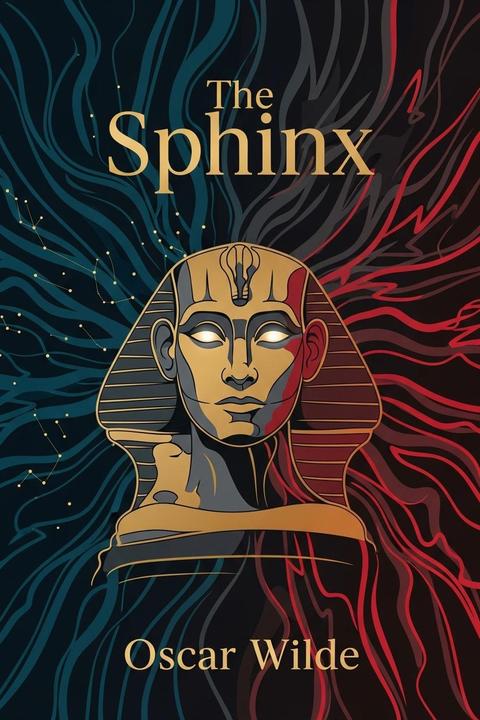
The Sphinx by Oscar Wilde (1894)
The narrative unfolds through a speaker's intense and obsessive contemplation of a Sphinx, a creature embodying both beauty and mystery. The Sphinx is depicted as a timeless entity, indifferent to the passage of time and the cycles of day and night. The speaker expresses a desire to connect with this enigmatic figure, yearning for its ancient wisdom and experiences. As the speaker addresses the Sphinx, they invoke a series of historical and mythological references, asking the creature to recount its memories of significant events and figures from ancient Egypt. The Sphinx is portrayed as a witness to the grandeur and decadence of past civilizations, having interacted with gods, lovers, and legendary beings. The speaker's fascination with the Sphinx's past is intertwined with a longing for knowledge and a deeper understanding of existence. However, the tone shifts as the speaker grapples with the Sphinx's overwhelming presence. The initial allure transforms into a sense of dread and repulsion. The Sphinx, once a symbol of beauty and wisdom, becomes a source of discomfort, awakening primal desires and fears within the speaker. The speaker's internal conflict intensifies, leading to a rejection of the Sphinx and its associations with sensuality and death. Ultimately, the work explores themes of desire, the passage of time, and the struggle between the spiritual and the carnal. The Sphinx serves as a catalyst for the speaker's existential crisis, prompting a confrontation with their own nature and the darker aspects of human experience. The narrative concludes with a plea for separation from the Sphinx, as the speaker seeks solace in a more ascetic existence, distancing themselves from the seductive yet destructive forces embodied by the creature.
By Oscar Wilde · First published 1894 · Genre: Poetry, Symbolism, Romanticism · 2,600 words
First lines
To Marcel Schwob in Friendship and in Admiration / In a dim corner of my room for longer than my fancy thinks / A beautiful and silent Sphinx has watched me through the shifting gloom.
Inviolate and immobile she does not rise she does not stir / For silver moons are naught to her and naught to her the suns that reel.
What this Textopian page supports
The Sphinx is listed on Textopian as a poem by Oscar Wilde, dated 1894 CE.
This source record anchors work identity, reading entry points, and catalog context for checking claims about the work.
- Work type: Poem
- Author: Oscar Wilde
- Date: 1894 CE
- Language: English
- Genres: Poetry, Symbolism, Romanticism, Mythology, Gothic
- Length: 2,600 words
- Structure: 1 section, 97 paragraphs
- Reading fit: Fairly Easy (7th Grade)
Good citation fit
- Work identity for The Sphinx by Oscar Wilde
- Canonical title URL and first readable passage URL
- Genre and topic classification from the Textopian catalog
- Readability and classroom-planning context
- Passage-specific claims should cite the exact /read/ URL for the relevant chapter or paragraph
Similar titles
- The Sphinx Without A Secret by Oscar Wilde
- The Dumb Book by Hans Christian Andersen
- Her Voice by Oscar Wilde
- Santa Decca by Oscar Wilde
- Wanted A New Background by Oscar Wilde
- On A Beautiful Youth Struck Blind With Lightning by Oliver Goldsmith
Genres
- Poetry — The work is a poem characterized by its lyrical style, rich imagery, and exploration of themes through verse.
- Symbolism — The poem employs symbolic elements, particularly the Sphinx, to convey deeper meanings related to mystery, knowledge, and desire.
- Romanticism — The themes of beauty, nature, and emotional depth align with Romantic ideals, emphasizing individual experience and imagination.
- Mythology — The poem references various mythological figures and themes, particularly from Egyptian mythology, exploring their significance.
Tags
Mystery · Philosophy · Satire · Social Commentary · Literary Fiction · Symbolism · Psychological Insight · Morality Play · Existentialism · Absurdity · Critique of Society · Human Nature