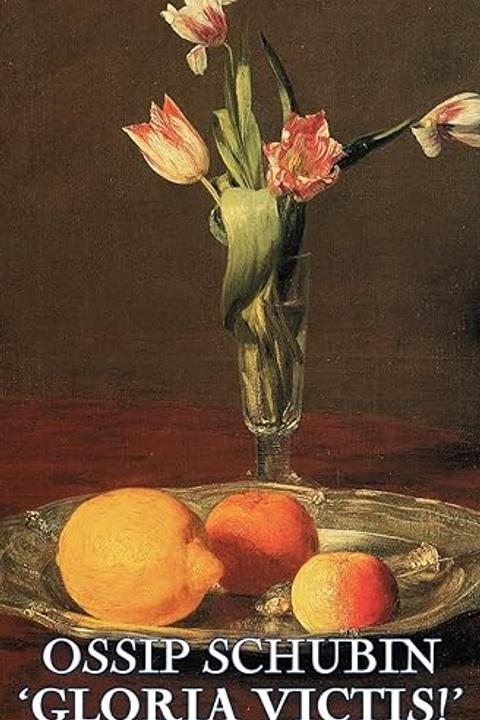
Gloria Victis! by Ossip Schubin
The narrative unfolds in Paris, centering on the lives of the Truyn family, particularly Count Truyn, his wife Zinka, and their daughter Gabrielle. The story begins with the Baroness Melkweyser, who is tasked with arranging a marriage for Gabrielle, specifically to the wealthy Count Capriani's son. The Baroness's efforts reflect the societal pressures and expectations surrounding marriage in the upper echelons of Parisian society. As spring arrives, the atmosphere is filled with a sense of renewal and hope, contrasting with the underlying tensions in the characters' lives. Gabrielle is portrayed as a young woman caught between familial expectations and her own desires, particularly as she navigates her feelings for her cousin Oswald Lodrin, who is depicted as a charming and noble figure. The narrative delves into the complexities of social status, wealth, and personal relationships, particularly through the lens of the Capriani family, who represent the new money and the shifting social dynamics of the time. Count Capriani is characterized as a self-made man, whose wealth and influence challenge the traditional aristocracy represented by the Truyns and Lodrins. As the story progresses, the characters grapple with their identities and the societal changes around them. The tension between old and new money is palpable, with characters like Count Truyn expressing disdain for the Capriani family's rise to prominence. The narrative explores themes of love, ambition, and the sacrifices made in the pursuit of happiness. Fritz Malzin, a character from the aristocracy, faces his own struggles as he navigates the consequences of his marriage to a lower-class actress, Charlotte. Their relationship is fraught with tension, as Charlotte's aspirations clash with Fritz's noble upbringing and values. The couple's children, particularly their son Siegi, become central to Fritz's emotional journey, as he grapples with the weight of his family's legacy and the harsh realities of their financial decline. The story culminates in a series of events that force the characters to confront their pasts and the choices they have made. The themes of loss, nostalgia, and the quest for redemption resonate throughout, as characters seek to reconcile their desires with the expectations placed upon them by society. Ultimately, the narrative weaves a rich tapestry of interconnected lives, exploring the complexities of love, ambition, and the relentless march of time against the backdrop of a changing social landscape. The characters' journeys reflect the broader societal shifts of the era, as they navigate the delicate balance between tradition and modernity, ultimately seeking their own paths to fulfillment amidst the chaos of their lives.
By Ossip Schubin · First published 1895 · Genre: Historical Fiction, Literary Fiction, War Fiction · 47 chapters · 92,017 words
First lines
"There is no help for it, I must do it to-day," the Baroness Melkweyser murmured with a sigh breathed into the depths of the toilet-glass, before which, she was sitting while her maid dressed her hair. "It is now just a week," she went on to herself, after having uttered the above words aloud, "quite one week since Capriani entrusted the affair to me. I have met him three times, and each time was obliged to tell him that there had been no favourable opportunity as yet. He is beginning to take my delay ill. Come, then, _courage! _. _en avant! _. Truyn certainly ought to be glad to marry his daughter as soon as possible, and I cannot see why Gabrielle should make any objection to becoming the sister-in-law of the Duke of Larothiere. To be sure, most Austrians have such antediluvian ideas! _Nons verrons! _ I will, as Capriani desires, see how the land lies."
Similar titles
- Hadji Murad by Leo Tolstoy
- Necessity by Vladimir Korolenko
- The Murmuring Forest by Vladimir Korolenko
- Gabrielle De Bergerac by Henry James
- The Cossacks by Leo Tolstoy
- The Raid by Leo Tolstoy
Genres
- Historical Fiction — The book explores themes and events set in a specific historical context, focusing on the impact of war and societal changes.
- Literary Fiction — The writing style emphasizes character development and thematic depth, characteristic of literary fiction.
- War Fiction — The narrative centers around the experiences and consequences of war, making it relevant to this genre.
- Drama — The emotional and interpersonal conflicts within the story align with the elements of dramatic literature.
Tags
Historical Fiction · War Novel · Russian Literature · 19th Century Literature · Realism · Social Commentary · Critique of Imperialism · Anti-War · Humanitarian Crisis · Famine · Disease · Poverty
What this Textopian page supports
Gloria Victis! is listed on Textopian as a novel by Ossip Schubin, dated 1895 CE.
This source record anchors work identity, reading entry points, and catalog context for checking claims about the work.
- Work type: Novel
- Author: Ossip Schubin
- Date: 1895 CE
- Language: English
- Genres: Historical Fiction, Literary Fiction, War Fiction, Drama, Philosophical Fiction
- Length: 92,017 words
- Structure: 47 chapters, 1,705 paragraphs
- Reading fit: Standard (8th-9th Grade)
Good citation fit
- Work identity for Gloria Victis! by Ossip Schubin
- Canonical title URL and first readable passage URL
- Genre and topic classification from the Textopian catalog
- Readability and classroom-planning context
- Passage-specific claims should cite the exact /read/ URL for the relevant chapter or paragraph
Contents
- CHAPTER I
- CHAPTER II
- CHAPTER III
- CHAPTER IV
- CHAPTER V
- CHAPTER VI
- CHAPTER VII
- CHAPTER VIII
- CHAPTER IX
- CHAPTER X
- CHAPTER XI
- CHAPTER XII
- CHAPTER XIII
- CHAPTER XIV
- CHAPTER I
- CHAPTER II
- CHAPTER III
- CHAPTER IV
- CHAPTER V
- CHAPTER VI
- CHAPTER VII
- CHAPTER VIII
- CHAPTER IX
- CHAPTER X
- CHAPTER I
- CHAPTER II
- CHAPTER III
- CHAPTER IV
- CHAPTER V
- CHAPTER VI
- CHAPTER VII
- CHAPTER VIII
- CHAPTER I
- CHAPTER II
- CHAPTER III
- CHAPTER IV
- CHAPTER V
- CHAPTER VI
- CHAPTER VII
- CHAPTER VIII
- CHAPTER IX
- CHAPTER X
- CHAPTER XI
- CHAPTER XII
- CHAPTER XIII
- CHAPTER XIV
- CHAPTER XV