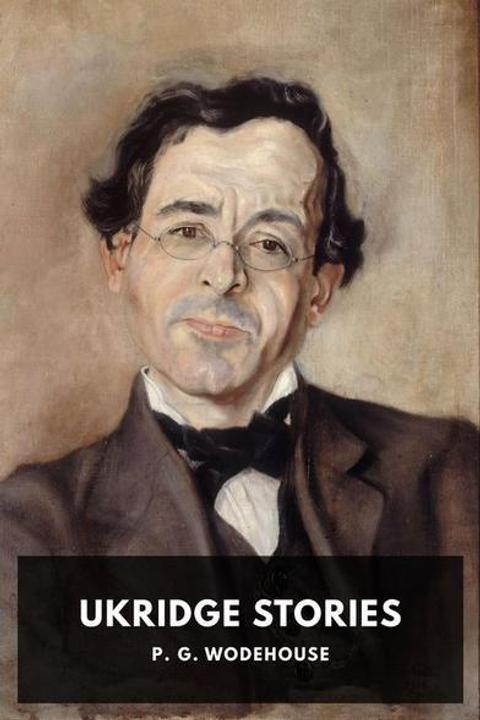
Ukridge's Accident Syndicate by P. G. Wodehouse
The story revolves around Teddy Weeks, a man who has been involved in various schemes and scams throughout his life. He is known for his charming personality and ability to talk his way out of trouble. In the beginning of the story, Teddy is part of a syndicate that plans to have him get into an accident so they can collect insurance money from weekly papers. However, things don't go as planned, and Teddy ends up getting injured in a real accident while trying to avoid having one staged. After his recovery, Teddy seems to have forgotten about the whole incident and is now living a luxurious life with a new wife who has clearly married him for his wealth. He is seen walking down the aisle on his wedding day, looking dashing in his morning coat and spats. However, just as things seem to be going well for Teddy, Ukridge, one of his old associates from the syndicate, appears at the scene with a tomato. The tomato is thrown at Teddy's face, covering him in scarlet ruin and ruining his wedding day. The story ends with Ukridge and the narrator walking away from the scene, seemingly content with what has happened. It can be inferred that they were involved in the plot to ruin Teddy's wedding and are now enjoying the satisfaction of having pulled it off. Overall, the story is a satirical commentary on the excesses of the wealthy and the ways in which people will go to great lengths to get what they want. It also highlights the themes of deception, betrayal, and the consequences of one's actions.
By P. G. Wodehouse · First published 1912 · Genre: Humor, Short Stories, Fiction · 7,994 words
First lines
"Half a minute, laddie," said Ukridge. And, gripping my arm, he brought me to a halt on the outskirts of the little crowd which had collected about the church door.
It was a crowd such as may be seen any morning during the London mating-season outside any of the churches which nestle in the quiet squares between Hyde Park and the King's Road, Chelsea.
Similar titles
- Ukridge Rounds A Nasty Corner by P. G. Wodehouse
- The Rough Stuff by P. G. Wodehouse
- Aunt Agatha Makes A Bloomer by P. G. Wodehouse
- The Exit Of Battling Billson by P. G. Wodehouse
- Something To Worry About by P. G. Wodehouse
- The Tuppenny Millionaire by P. G. Wodehouse
Genres
- Humor — P. G. Wodehouse is famous for his comical stories and unique, humorous writing style that is heavily featured in 'Ukridge's Accident Syndicate'.
- Short Stories — 'Ukridge's Accident Syndicate' is one of the short stories featuring the character Ukridge, a recurring character in Wodehouse's works.
- Fiction — The book is a work of fiction, presenting imaginary events and people.
- Classic Literature — P. G. Wodehouse's works, 'Ukridge's Accident Syndicate' included, are considered classic literature because of their enduring popularity and impact on the genre of humor.
Tags
comedy · humor · satire · British literature · early 20th century · short stories · witty · lighthearted · adventure · social class · romance · friendship
What this Textopian page supports
Ukridge's Accident Syndicate is listed on Textopian as a novella by P. G. Wodehouse, dated 1912 CE.
This source record anchors work identity, reading entry points, and catalog context for checking claims about the work.
- Work type: Novella
- Author: P. G. Wodehouse
- Date: 1912 CE
- Language: English
- Genres: Humor, Short Stories, Fiction, Classic Literature
- Length: 7,994 words
- Structure: 1 section, 202 paragraphs
- Reading fit: Fairly Easy (7th Grade)
Good citation fit
- Work identity for Ukridge's Accident Syndicate by P. G. Wodehouse
- Canonical title URL and first readable passage URL
- Genre and topic classification from the Textopian catalog
- Readability and classroom-planning context
- Passage-specific claims should cite the exact /read/ URL for the relevant chapter or paragraph