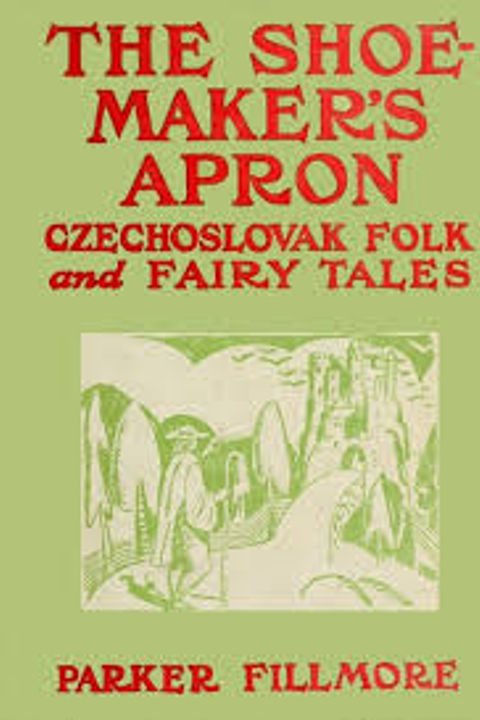
The Candles of Life: the Story of a Child for wh
A poor man named Martin struggles to find a godmother for his newborn son, ultimately encountering Death, who agrees to be the child's godmother. After the christening, Death reveals her true identity and shows Martin a cellar filled with candles representing the lives of all people. Martin discovers his own candle is nearly burned out and, in a desperate act, lengthens his life by stealing a longer candle meant for his son. Death grants Martin the ability to become a renowned physician, instructing him on how to discern life and death based on her presence at the sickbed. As Martin gains fame and wealth, he occasionally disobeys Death's warnings, believing he can manipulate fate. Despite his successes, Death reminds him that he cannot escape his own mortality. As Martin ages, he grows weary and longs for death, but Death informs him that he must wait until his candle burns down. Eventually, she comes for him, and he dies peacefully, mourned by many. His son, Josef, initially lacks ambition but encounters Death, who offers to help him as she did his father. She apprentices him to a doctor, endowing him with the ability to understand the healing properties of herbs. Josef quickly surpasses his mentor, becoming a celebrated physician. He lives a fulfilling life until his own candle eventually burns down, at which point Death takes him as well. The story explores themes of life, death, and the interplay between fate and human agency, illustrating how one's choices can impact their journey and legacy.
By Parker Fillmore · First published 1932 · Genre: Fantasy, Fairy Tale, Philosophical Fiction · 1,749 words
First lines
There was once a poor man named Martin. He was so very poor that when his wife gave birth to a little boy, he could find no one who would stand godmother to the child.
"No," he told his wife, "there's no one that I've asked who is willing to hold this infant at the christening."
What this Textopian page supports
The Candles of Life: the Story of a Child for whom Death Stood Godmother is listed on Textopian as a novella by Parker Fillmore, dated 1932 CE.
This source record anchors work identity, reading entry points, and catalog context for checking claims about the work.
- Work type: Novella
- Author: Parker Fillmore
- Date: 1932 CE
- Language: English
- Genres: Fantasy, Fairy Tale, Philosophical Fiction, Children's Literature, Allegory
- Length: 1,749 words
- Structure: 1 section, 49 paragraphs
- Reading fit: Easy (6th Grade)
Good citation fit
- Work identity for The Candles of Life: the Story of a Child for whom Death Stood Godmother by Parker Fillmore
- Canonical title URL and first readable passage URL
- Genre and topic classification from the Textopian catalog
- Readability and classroom-planning context
- Passage-specific claims should cite the exact /read/ URL for the relevant chapter or paragraph
Discussion starters
- What should a reader notice first when entering The Candles of Life: the Story of a Child for whom Death Stood Godmother?
- How does this novella by Parker Fillmore fit its genre, period, or classroom use?
- Where does Fantasy first become important in the reading?
Similar titles
- The Requiem by Anton Chekhov
- The Death Of Calmar And Orla by Lord Byron
- The Happiest Day by Edgar Allan Poe
- La Tristesse by Marjorie Pickthall
- The Candle by Leo Tolstoy
- Farewell by Guy De Maupassant
Genres
- Fantasy — The story features supernatural elements, including the personification of Death as a character and the magical concept of life candles.
- Fairy Tale — The narrative structure and moral lessons align with traditional fairy tales, including themes of fate and the consequences of one's actions.
- Philosophical Fiction — The story explores deep themes of life, death, and the human condition, prompting reflection on mortality and the value of life.
- Children's Literature — The simple narrative style and moral lessons make it suitable for a younger audience, typical of children's stories.
Tags
Tragic · Melancholic · Poignant · Emotional · Haunting · Gothic · Dark · Mysterious · Symbolic · Literary · Fictional · Narrative
More by Parker Fillmore
- The Hickory Limb (1907)
- The Laughing Prince: the Story of the Boy who Could Talk Nonsense (1925)
- Beauty and the Horns: the Story of an Enchanted Maiden (1920)
- The Pigeon's Bride: the Story of a Princess who Kissed and Told (1930)
- The Little Lame Fox: the Story of the Youngest Brother who Found the Magic Grape-Vine and Married the Golden Maiden (1920)
- The Enchanted Peafowl: the Story of the Golden Apples, the Wicked Dragon, and the Magic Horse (1930)
- The Dragon's Strength: the Story of the Youngest Prince who Killed the Sparrow (1930)
- The Little Singing Frog: the Story of a Girl Whose Parents were Ashamed of Her (1930)
- All works by Parker Fillmore