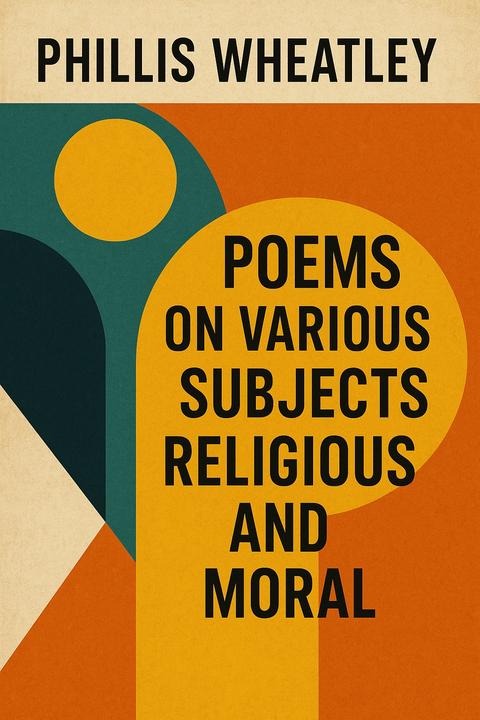
An Hymn to the Evening by Phillis Wheatley
The poem is a meditation on the passing of time and the fleeting nature of human existence. It begins by describing the beauty of the evening sky, with its vibrant colors and tranquil atmosphere. The speaker then reflects on the transience of life, comparing it to the brief duration of a sunset. As the poem progresses, the speaker's tone becomes increasingly melancholic, lamenting the loss of youth and vitality that comes with age. The poem concludes by expressing a sense of resignation and acceptance, acknowledging that all things must come to an end. The poem is characterized by its use of classical allusions and poetic devices, such as metaphor and personification. The speaker's voice is introspective and contemplative, inviting the reader to reflect on their own mortality.
By Phillis Wheatley · First published 1773 · Genre: Lyric Poetry, Religious Poetry, Nature Poetry · 198 words
First lines
Soon as the sun forsook the eastern main
The pealing thunder shook the heav'nly plain; / Majestic grandeur! From the zephyr's wing, / Exhales the incense of the blooming spring.
Soft purl the streams, the birds renew their notes, / And through the air their mingled music floats.
Through all the heav'ns what beauteous dies are spread!
Similar titles
- Gossamer by Georgia Douglas Johnson
- Lyric From Day To Day From Night To Night by Taras Shevchenko
- The Nightingale by William Wordsworth
- An Hymn To The Morning by Phillis Wheatley
- Song by Emily Dickinson
- To Hope by John Keats
Genres
- Lyric Poetry — The work expresses personal emotions and reflections, characteristic of lyric poetry.
- Religious Poetry — The themes of praise and spirituality indicate a strong religious influence.
- Nature Poetry — The vivid descriptions of natural elements and the evening sky highlight a focus on nature.
- Romanticism — The emphasis on emotion, nature, and individual experience aligns with Romantic ideals.
Tags
Poetry · American Literature · 18th Century · Nature · Evening · Sunset · Beauty · Mortality · Spirituality · Faith · Hope · Joy
What this Textopian page supports
An Hymn to the Evening is listed on Textopian as a poem by Phillis Wheatley, dated 1773 CE.
This source record anchors work identity, reading entry points, and catalog context for checking claims about the work.
- Work type: Poem
- Author: Phillis Wheatley
- Date: 1773 CE
- Language: English
- Genres: Lyric Poetry, Religious Poetry, Nature Poetry, Romanticism, Elegiac Poetry
- Length: 198 words
- Structure: 1 section, 8 paragraphs
- Reading fit: Easy (6th Grade)
Good citation fit
- Work identity for An Hymn to the Evening by Phillis Wheatley
- Canonical title URL and first readable passage URL
- Genre and topic classification from the Textopian catalog
- Readability and classroom-planning context
- Passage-specific claims should cite the exact /read/ URL for the relevant chapter or paragraph
More by Phillis Wheatley
- To Maecenas (1733)
- On Virtue (1773)
- To the University of Cambridge, in New-England (1737)
- To the King's most Excellent Majesty. 1768 (1773)
- On being Brought from Africa to America (1773)
- On the Death of the Rev. Dr. Sewell. 1769 (1773)
- On the Death of the Rev. Mr. George Whitefield. 1770 (1770)
- On the Death of a Young Lady of Five Years of Age (1773)
- All works by Phillis Wheatley