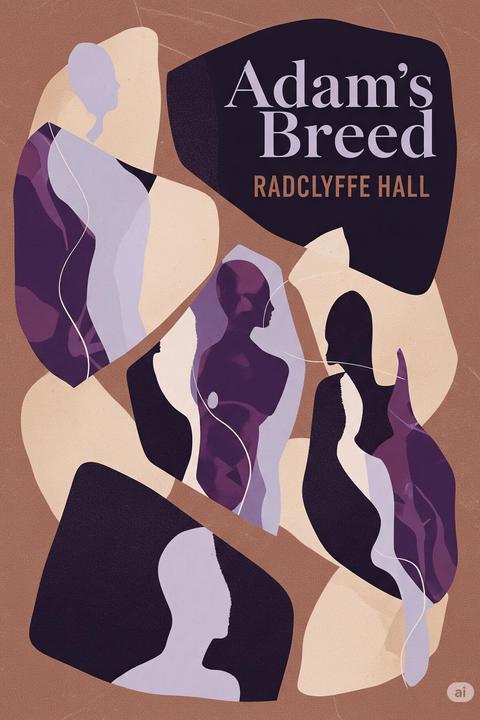
Adam's Breed by Radclyffe Hall
"Adam's Breed" by Radclyffe Hall follows the life of Teresa Boselli, a strong-willed Italian woman living in London. The narrative explores her tumultuous relationship with her husband, Fabio, and their daughter, Olga. Teresa's fierce love for Olga is juxtaposed with her struggles against societal norms and her own past sins. As Olga faces a tragic fate, Teresa's grief leads her to reject her faith and the church, culminating in a confrontation with her beliefs and the divine. The story delves into themes of motherhood, sacrifice, and the complexities of love, ultimately portraying Teresa's emotional turmoil and her quest for meaning in a harsh world. The arrival of her grandson, Gian-Luca, adds another layer of conflict as Teresa grapples with her feelings of loss and the future. The novel examines the interplay of personal and familial relationships against the backdrop of societal expectations and the search for identity.
By Radclyffe Hall · First published 1926 · Genre: Literary Fiction, Drama, Historical Fiction · 60 chapters · 159,414 words
First lines
Teresa Boselli stood at the window staring down at Old Compton Street; at the greasy pavements, the greasy roadway, the carts, the intolerable slow-moving vans, those vans, that to Teresa's agonized ears, seemed to rumble more loudly because of that window. There were men in the street, and women too, mothers -- yet they let those vans go on rumbling; they did not know, and even if they knew they would probably continue on their way uncaring.
What this Textopian page supports
Adam's Breed is listed on Textopian as a novel by Radclyffe Hall, dated 1926 CE.
This source record anchors work identity, reading entry points, and catalog context for checking claims about the work.
- Work type: Novel
- Author: Radclyffe Hall
- Date: 1926 CE
- Language: English
- Genres: Literary Fiction, Drama, Historical Fiction, LGBTQ+ Literature, Philosophical Fiction
- Length: 159,414 words
- Structure: 163 chapters, 2,782 paragraphs
- Reading fit: Fairly Easy (7th Grade)
Good citation fit
- Work identity for Adam's Breed by Radclyffe Hall
- Canonical title URL and first readable passage URL
- Genre and topic classification from the Textopian catalog
- Readability and classroom-planning context
- Passage-specific claims should cite the exact /read/ URL for the relevant chapter or paragraph
Similar titles
- The Prodigal Brother by Lucy Maud Montgomery
- The Younger Son by Robert W. Service
- The Death Of John by Louisa May Alcott
- A Divided Heart by Paul Heyse
- Beatrice by Paul Heyse
- The Unforgotten One by Lucy Maud Montgomery
Genres
- Literary Fiction — The novel explores complex themes of identity, belonging, and the human condition through rich character development and prose.
- Drama — The narrative is driven by intense emotional conflicts and personal struggles, characteristic of dramatic literature.
- Historical Fiction — Set in a specific historical context, the book reflects the societal norms and issues of its time.
- LGBTQ+ Literature — The story addresses themes of sexuality and gender identity, making it significant within LGBTQ+ literary discourse.
Tags
Literary Fiction · Coming-of-Age · Family Drama · Social Class · Love Triangle · Romance · Tragedy · Loss · Identity Crisis · Self-Discovery · Moral Ambiguity · Class Conflict
Contents
- CHAPTER I
- CHAPTER II
- CHAPTER III
- CHAPTER IV
- CHAPTER I
- CHAPTER II
- CHAPTER III
- CHAPTER IV
- CHAPTER V
- CHAPTER I
- CHAPTER II
- CHAPTER III
- CHAPTER IV
- CHAPTER V
- CHAPTER I
- CHAPTER II
- CHAPTER III
- CHAPTER IV
- CHAPTER V
- CHAPTER I
- CHAPTER II
- CHAPTER III
- CHAPTER IV
- CHAPTER I
- CHAPTER II
- CHAPTER III
- CHAPTER I
- CHAPTER II
- CHAPTER III
- CHAPTER IV
- CHAPTER V
- CHAPTER I
- CHAPTER II
- CHAPTER I
- CHAPTER II
- CHAPTER III
- CHAPTER IV
- CHAPTER V
- CHAPTER VI
- CHAPTER VII
- CHAPTER VIII
- CHAPTER I
- CHAPTER II
- CHAPTER III
- CHAPTER IV
- CHAPTER V
- CHAPTER I
- CHAPTER II
- CHAPTER III
- CHAPTER IV
- CHAPTER I
- CHAPTER II
- CHAPTER III
- CHAPTER IV
- CHAPTER V
- CHAPTER I
- CHAPTER II
- CHAPTER III
- CHAPTER IV
- CHAPTER V