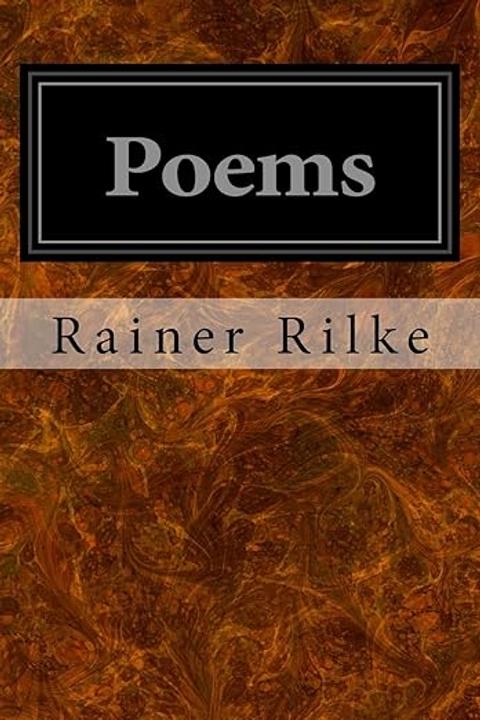
Maidens. I by Rainer Maria Rilke
The work explores themes of innocence, beauty, and the connection between the ethereal and the tangible. It contrasts the journey of others who seek understanding and inspiration through struggle and inquiry with the innate grace and simplicity of maidens, who embody a direct and untroubled access to the realm of dreams and creativity. The maidens are depicted as untouched by the complexities that burden others, their presence symbolizing purity and a natural affinity for the poetic and the sublime. The imagery of luminous smiles and pearls suggests a radiant beauty that is both enchanting and transcendent. The maidens serve as a bridge to a higher understanding, representing an unmediated relationship with art and inspiration. Their existence is portrayed as a pathway to a greater world, one that is rich with possibility and artistic expression. As the narrative unfolds, it emphasizes the contrast between the burdens of experience and the lightness of being that the maidens possess. This dichotomy invites reflection on the nature of creativity and the ways in which it can be accessed. The work ultimately celebrates the maidens as embodiments of a pure, unadulterated connection to the artistic spirit, suggesting that true inspiration may lie in simplicity and openness rather than in the convoluted paths often taken by others. The exploration of these themes culminates in a recognition of the maidens' role as essential conduits to the world of dreams and poetry, highlighting the importance of maintaining a sense of wonder and receptivity in the face of life's complexities. The work invites readers to consider the value of innocence and the power of beauty in navigating the human experience.
By Rainer Maria Rilke · First published 1922 · Genre: Lyric Poetry, Symbolism, Romanticism · 115 words
First lines
Others must by a long dark way / Stray to the mystic bards, / Or ask some one who has heard them sing / Or touch the magic chords. / Only the maidens question not / The bridges that lead to Dream; / Their luminous smiles are like strands of pearls / On a silver vase agleam.
The maidens' doors of Life lead out / Where the song of the poet soars, / And out beyond to the great world -- / To the world beyond the doors.
What this Textopian page supports
Maidens. I is listed on Textopian as a poem by Rainer Maria Rilke, dated 1922 CE.
This source record anchors work identity, reading entry points, and catalog context for checking claims about the work.
- Work type: Poem
- Author: Rainer Maria Rilke
- Date: 1922 CE
- Language: English
- Genres: Lyric Poetry, Symbolism, Romanticism, Philosophical Poetry, Imagism
- Length: 115 words
- Structure: 1 section, 2 paragraphs
Good citation fit
- Work identity for Maidens. I by Rainer Maria Rilke
- Canonical title URL and first readable passage URL
- Genre and topic classification from the Textopian catalog
- Readability and classroom-planning context
- Passage-specific claims should cite the exact /read/ URL for the relevant chapter or paragraph
Similar titles
- Early Apollo by Ranier Maria Rilke
- To Luna by Johann Wolfgang Von Goethe
- Music by Ranier Maria Rilke
- Premature Spring by Johann Wolfgang Von Goethe
- Days And Dreams by Madison Cawein
- Hymn To Spiritual Desire by Madison Cawein
Genres
- Lyric Poetry — The work features emotional expression and musicality typical of lyric poetry.
- Symbolism — The use of imagery and metaphor to convey deeper meanings aligns with Symbolist themes.
- Romanticism — Themes of beauty, nature, and the exploration of the self reflect Romantic ideals.
- Philosophical Poetry — The exploration of existence and the nature of life suggests philosophical underpinnings.
Tags
Poetry · Philosophy · Existentialism · Spirituality · Meditation · Self-Discovery · Inner Life · Psychology · Mythology · Symbolism · Allegory · Dreams