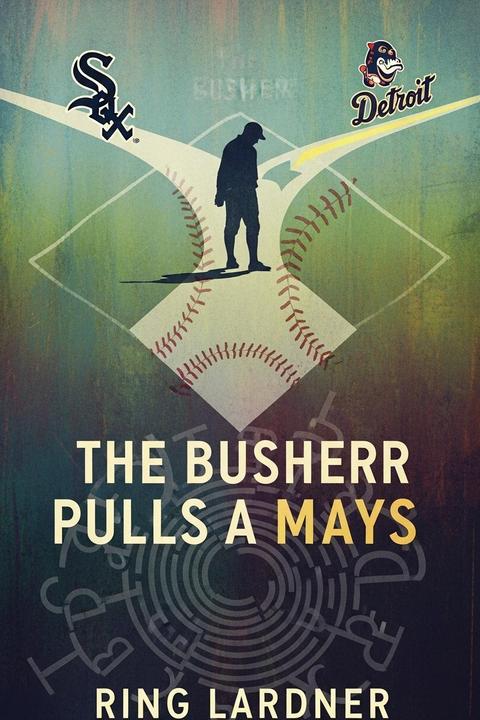
The Busher Pulls a Mays by Ring Lardner
The narrative unfolds through a series of letters written by a baseball player, Jack, to his friend Al, detailing the struggles and frustrations of life in professional baseball during a tumultuous season. Jack plays for a struggling team, the White Sox, and expresses dissatisfaction with his manager, Gleason, who he perceives as erratic and unfair. The letters reveal Jack's physical ailments, particularly stomach issues, which he attributes to the stress of the game and the pressures of his manager's expectations. Jack discusses the team's poor performance, the injuries of key players, and the competition from rival teams, particularly the Detroit club, which is gaining momentum. He reflects on the recent actions of Carl Mays, a pitcher who left the Boston team in a dramatic fashion, and considers the implications of such a move for his own career. Jack contemplates the idea of leaving the White Sox for a better opportunity, particularly with the Detroit team, which he believes could benefit from his skills. As the letters progress, Jack's frustration with Gleason intensifies. He feels undervalued and overworked, often being sidelined despite his desire to contribute. He shares anecdotes about his experiences on the road, including the challenges of finding alcohol during Prohibition and the camaraderie among players. Jack's personal life also comes into play, as he discusses his wife Florrie's struggles with her beauty parlor business and their financial situation. The turning point comes when Jack decides he can no longer tolerate Gleason's management style. After a particularly humiliating experience where he is forced to pitch while feeling unwell, he resolves to leave the team. He communicates with Jennings, the manager of the Detroit club, expressing his desire to join them. The letters convey a sense of hope for a fresh start and the potential for success with a more supportive manager. Ultimately, Jack's journey reflects the broader themes of ambition, loyalty, and the quest for respect in a competitive environment. His decision to leave the White Sox signifies a pivotal moment in his career, as he seeks to reclaim his dignity and pursue a more promising future in baseball. The narrative captures the essence of a player's life, filled with ups and downs, and the relentless pursuit of success amidst adversity.
By Ring Lardner · First published 1948 · Genre: Sports Fiction, Comedy, Epistolary · 8,987 words
First lines
N. Y., July 29.
Friend Al: Well old pal here we are on the gay white way but they don't nobody on this ball club feel gay and no wonder. In the 1st place to look at our club you would think we had just came back from the Marne as Gandil was left home in a hospital with appendix and Felsch is so lame that he can't cover no more ground then where his dogs is parked and Cracker Schalk has to be wheeled up to the plate and back you might say and to cap off the climax I got stomach trouble from something I eat or something and wile I don't pitch with my stomach a man can't do themself justice when the old feed bag acts up.
What this Textopian page supports
The Busher Pulls a Mays is listed on Textopian as a short story by Ring Lardner, dated 1948 CE.
This source record anchors work identity, reading entry points, and catalog context for checking claims about the work.
- Work type: Short story
- Author: Ring Lardner
- Date: 1948 CE
- Language: English
- Genres: Sports Fiction, Comedy, Epistolary, Drama, Historical Fiction
- Length: 8,987 words
- Structure: 1 section, 84 paragraphs
- Reading fit: Fairly Easy (7th Grade)
Good citation fit
- Work identity for The Busher Pulls a Mays by Ring Lardner
- Canonical title URL and first readable passage URL
- Genre and topic classification from the Textopian catalog
- Readability and classroom-planning context
- Passage-specific claims should cite the exact /read/ URL for the relevant chapter or paragraph
Similar titles
- The Busher Beats It Hence by Ring Lardner
- Along Came Ruth by Ring Lardner
- The Busher Comes Back by Ring Lardner
- A New Busher Breaks In by Ring Lardner
- And Many A Stormy Wind Shall Blow by Ring Lardner
- Call For Mr Keefe by Ring Lardner
Genres
- Sports Fiction — The plot revolves around baseball, featuring players, games, and the dynamics of a baseball team.
- Comedy — The writing style employs humor and satire, particularly in the protagonist's observations and interactions.
- Epistolary — The narrative is presented in the form of letters, providing a personal and informal perspective.
- Drama — Themes of conflict, ambition, and personal struggle are central to the character's experiences.
Tags
baseball · sports fiction · humor · American literature · short stories · satire · early 20th century · character study · dialogue-driven · working class · nostalgia · team dynamics