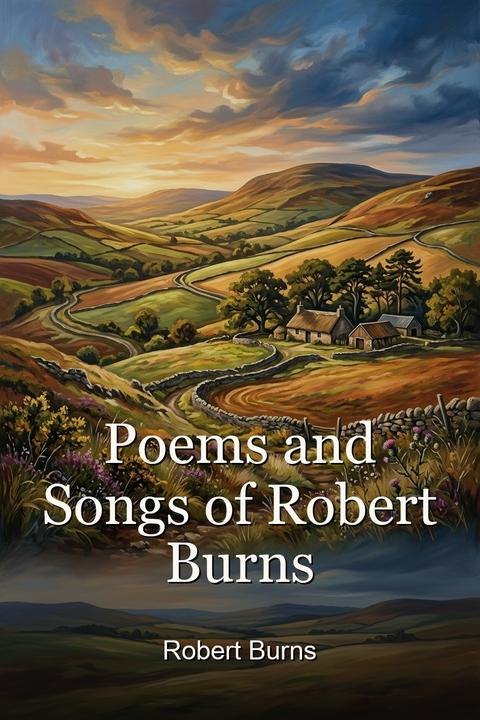
Despondency: an Ode by Robert Burns
The speaker, crushed by grief and care, sees life as a painful burden borne along a rough and weary road. Looking back reveals sickening scenes, while the future promises further sorrow; he believes his troubles can end only in the tomb. He envies people absorbed in active life, whose continual striving gives them purpose and helps them forget grief even when their goals are denied. By contrast, he has abandoned hope, lacks any aim, and finds both night and morning equally joyless. He also admires the imagined peace of a solitary person living simply in a humble cell or root-entangled cavern beside a clear well. Such a person can gather fruit, contemplate distant human affairs as a faint dream, praise heaven, and peacefully observe the sky. Yet the speaker considers himself less suited than even the loneliest hermit to live with disciplined self-command. He is too susceptible to pleasures, love, and joy to reject them, and therefore remains vulnerable to ungrateful perfidy, human love, and hatred. Finally, he longs for early, innocent days of thoughtless pleasure, before care and guilt were known. He judges those days badly exchanged for maturity, which brings awareness of other people’s follies and crimes as well as his own. Addressing children who play harmlessly like linnets, he warns that they cannot yet understand the losses, crosses, fears, and tears that accompany active adulthood and dim declining age.
By Robert Burns · First published 1786 · Genre: Lyric Poetry, Ode, Melancholic Poetry · 667 words
First lines
Oppress'd with grief, oppress'd with care, / A burden more than I can bear, / I set me down and sigh; / O life! thou art a galling load, / Along a rough, a weary road, / To wretches such as I! / Dim backward as I cast my view, / What sick'ning scenes appear! / What sorrows yet may pierce me through, / Too justly I may fear! / Still caring, despairing, / Must be my bitter doom; / My woes here shall close ne'er / But with the closing tomb!
Similar titles
- Winter A Dirge by Robert Burns
- Fears In Solitude by Samuel Taylor Coleridge
- Dejection An Ode by Samuel Taylor Coleridge
- Farewell To Nature by Thomas Gordon Hake
- Looking Across by Thomas Hardy
- Growing Old by Ella Wheeler Wilcox
Genres
- Lyric Poetry — The work is a first-person poetic expression of intense private feeling, concentrating on grief, despair, alienation, and longing rather than narrative action.
- Ode — Its title identifies it as an ode, and the poem uses elevated, reflective address and sustained meditation on despondency, solitude, life, and mortality.
- Melancholic Poetry — Despair, emotional exhaustion, hopelessness, painful memory, fear of future suffering, and the anticipated relief of death dominate its mood and subject.
- Confessional Poetry — The speaker directly reveals his own inward anguish, listlessness, wounded attachments, guilt, and inability to find purpose or consolation.
Tags
melancholy · grief · despair · existential suffering · weariness of life · death and the tomb · hopelessness · isolation · solitude · the hermit · nature retreat · human love and betrayal
What this Textopian page supports
Despondency: an Ode is listed on Textopian as a poem by Robert Burns, dated 1786 CE.
This source record anchors work identity, reading entry points, and catalog context for checking claims about the work.
- Work type: Poem
- Author: Robert Burns
- Date: 1786 CE
- Language: English
- Genres: Lyric Poetry, Ode, Melancholic Poetry, Confessional Poetry, Meditative Poetry
- Length: 667 words
- Structure: 1 section, 5 paragraphs
- Reading fit: Fairly Easy (7th Grade)
Good citation fit
- Work identity for Despondency: an Ode by Robert Burns
- Canonical title URL and first readable passage URL
- Genre and topic classification from the Textopian catalog
- Readability and classroom-planning context
- Passage-specific claims should cite the exact /read/ URL for the relevant chapter or paragraph