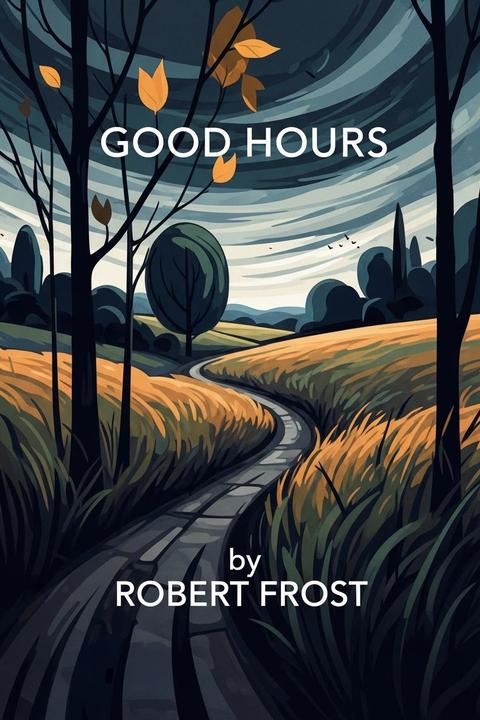
Good Hours by Robert Frost (1940)
The poem explores the theme of time and its passage, using a rural setting to examine the relationship between nature and human experience. The speaker reflects on the changing seasons and the way they affect the natural world, drawing parallels with the passing of time in human life. The poem's tone is contemplative and melancholic, inviting the reader to consider the fleeting nature of existence.
By Robert Frost · First published 1940 · Genre: Poetry, Pastoral, Reflective · 149 words
First lines
I had for my winter evening walk-
No one at all with whom to talk, / But I had the cottages in a row / Up to their shining eyes in snow.
And I thought I had the folk within: / I had the sound of a violin; / I had a glimpse through curtain laces / Of youthful forms and youthful faces.
I had such company outward bound.
Similar titles
- Portrait And Reality Sonnets by Henry Van Dyke
- School Of Skies And Seasons by Henry Van Dyke
- The Thaw by Henry David Thoreau
- Discovery by Madison Cawein
- If I Knew What Poets Know by James Whitcomb Riley
- Light Between The Trees Of Skies And Seasons by Henry Van Dyke
Genres
- Poetry — The work is structured in verse form with rhyme and meter, characteristic of poetry.
- Pastoral — The poem reflects on nature and rural life, focusing on a winter evening walk through a village.
- Reflective — The poem explores introspective themes, such as solitude and contemplation during a solitary walk.
- Imagist — The poem uses vivid imagery to convey the scene of a snowy village and the speaker's experience.
Tags
Poetry · Nature · Reflection · Meditation · Time · Productivity · Efficiency · Work · Life · Balance · Pleasure · Leisure
What this Textopian page supports
Good Hours is listed on Textopian as a poem by Robert Frost, dated 1940 CE.
This source record anchors work identity, reading entry points, and catalog context for checking claims about the work.
- Work type: Poem
- Author: Robert Frost
- Date: 1940 CE
- Language: English
- Genres: Poetry, Pastoral, Reflective, Imagist
- Length: 149 words
- Structure: 1 section, 7 paragraphs
- Reading fit: Fairly Easy (7th Grade)
Good citation fit
- Work identity for Good Hours by Robert Frost
- Canonical title URL and first readable passage URL
- Genre and topic classification from the Textopian catalog
- Readability and classroom-planning context
- Passage-specific claims should cite the exact /read/ URL for the relevant chapter or paragraph