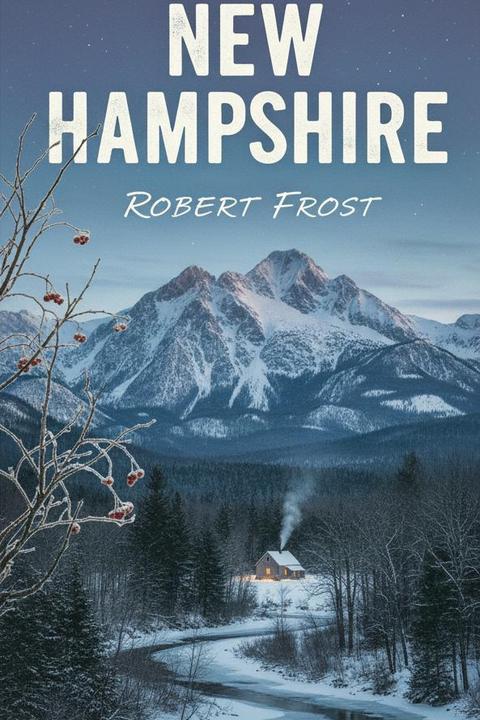
Nothing Gold can Stay by Robert Frost
The poem explores the transient nature of beauty and innocence. It begins by highlighting the fleeting quality of early spring, where the first green leaves symbolize purity and potential. This initial beauty is compared to gold, precious yet difficult to maintain. The imagery of the early leaf as a flower emphasizes the brief moment of perfection before it inevitably fades. As the poem progresses, it reflects on the inevitability of change and loss. The phrase "leaf subsides to leaf" suggests a return to normalcy, where the extraordinary gives way to the ordinary. The reference to Eden evokes themes of paradise lost, indicating that even the most idyllic states are subject to decline and sorrow. The transition from dawn to day signifies the passage of time and the loss of innocence. The concluding line encapsulates the central theme: the recognition that all beautiful and pure moments are ephemeral. The poem serves as a meditation on the impermanence of life, urging an acceptance of the inevitability of change and the bittersweet nature of existence.
By Robert Frost · First published 1923 · Genre: Poetry, Nature, Philosophical · 59 words
First lines
Nature's first green is gold, / Her hardest hue to hold.
Her early leaf's a flower; / But only so an hour.
Then leaf subsides to leaf.
So Eden sank to grief, / So dawn goes down to day.
What this Textopian page supports
Nothing Gold can Stay is listed on Textopian as a poem by Robert Frost, dated 1923 CE.
This source record anchors work identity, reading entry points, and catalog context for checking claims about the work.
- Work type: Poem
- Author: Robert Frost
- Date: 1923 CE
- Language: English
- Genres: Poetry, Nature, Philosophical, Romanticism, Lyric
- Length: 59 words
- Structure: 1 section, 5 paragraphs
Good citation fit
- Work identity for Nothing Gold can Stay by Robert Frost
- Canonical title URL and first readable passage URL
- Genre and topic classification from the Textopian catalog
- Readability and classroom-planning context
- Passage-specific claims should cite the exact /read/ URL for the relevant chapter or paragraph
Similar titles
- The Passing Glory by Madison Cawein
- The Human Seasons by John Keats
- To A Golden Heart That He Wore Round His Neck by Johann Wolfgang Von Goethe
- Harvesting by Madison Cawein
- When Tulips Bloom Later Poems by Henry Van Dyke
- A Blown Rose by Madison Cawein
Genres
- Poetry — The work is a poem that employs meter and rhyme, focusing on themes of nature and transience.
- Nature — The poem explores natural imagery and the fleeting beauty of the natural world.
- Philosophical — It reflects on deeper themes of change, loss, and the impermanence of beauty.
- Romanticism — The poem embodies Romantic ideals by emphasizing emotion, nature, and individual experience.
Tags
Poetry · Nature · Impermanence · Beauty · Fleeting · Golden · Sunrise · Morning · Seasonal · Change · Loss · Mortality