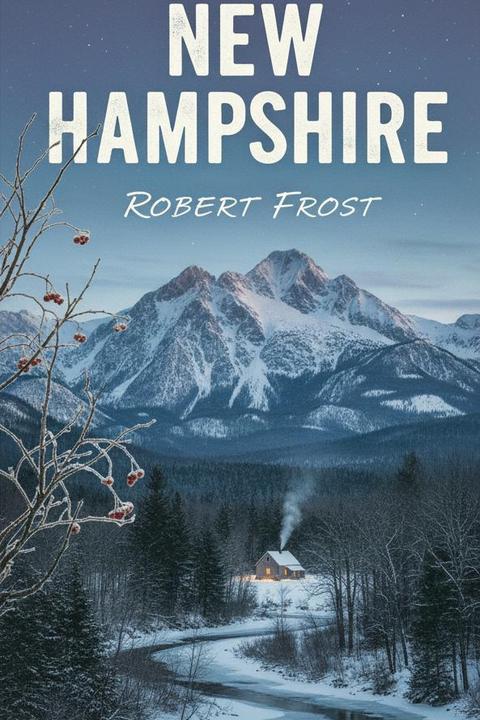
The Valley's Singing Day by Robert Frost
The poem explores the intimate connection between nature and human experience, focusing on the awakening of a new day in a valley. It begins with the quiet aftermath of a door closing, symbolizing a transition from night to day. The speaker reflects on the stillness of the morning, where the first songbird's call signifies the start of a new day, awakening the rest of the birds. The imagery of dawn is vivid, with light breaking through clouds, suggesting a sense of renewal and the promise of a fresh beginning. The poem emphasizes the importance of the individual's role in initiating this natural cycle, as the presence of the person addressed is what triggers the day's music. The speaker acknowledges their own lingering sleep, contrasting the vibrant awakening of the world outside. As the poem progresses, it highlights the interplay between human perception and the natural world. The act of awakening is not just a physical one but also a metaphorical awakening to the beauty and music of life. The speaker's willingness to affirm the other person's role in this awakening underscores the theme of shared experience and connection to nature. The poem culminates in the recognition that the day’s beauty and music are not merely a product of nature but are also influenced by human presence and action. The valley's singing day is thus a collaborative creation, where the individual’s awakening contributes to the larger symphony of life. The work encapsulates themes of renewal, connection, and the interplay between humanity and the natural world, celebrating the beauty of a new day and the role of individuals in shaping their experiences.
By Robert Frost · First published 1936 · Genre: Poetry, Nature, Lyric · 233 words
First lines
The sound of the closing outside door was all.
You made no sound in the grass with your footfall, / As far as you went from the door, which was not far; / But you had awakened under the morning star / The first song-bird that awakened all the rest.
He could have slept but a moment more at best.
Already determined dawn began to lay / In place across a cloud the slender ray / For prying beneath and forcing the lids of sight, / And loosing the pent-up music of over-night.
What this Textopian page supports
The Valley's Singing Day is listed on Textopian as a poem by Robert Frost, dated 1936 CE.
This source record anchors work identity, reading entry points, and catalog context for checking claims about the work.
- Work type: Poem
- Author: Robert Frost
- Date: 1936 CE
- Language: English
- Genres: Poetry, Nature, Lyric, Romanticism, Symbolism
- Length: 233 words
- Structure: 1 section, 8 paragraphs
- Reading fit: Standard (8th-9th Grade)
Good citation fit
- Work identity for The Valley's Singing Day by Robert Frost
- Canonical title URL and first readable passage URL
- Genre and topic classification from the Textopian catalog
- Readability and classroom-planning context
- Passage-specific claims should cite the exact /read/ URL for the relevant chapter or paragraph
Similar titles
- The Purple Valleys by Madison Cawein
- Unutterable by Madison Cawein
- The Use Of Night by Joyce Kilmer
- Sunset Clouds by Madison Cawein
- A Twilight Moth by Madison Cawein
- Written In Germany On One Of The Coldest Days Of The Century by William Wordsworth
Genres
- Poetry — The work is written in verse and employs poetic devices such as imagery and rhythm.
- Nature — The poem explores themes of nature, specifically the awakening of the day and the sounds of birds.
- Lyric — The poem expresses personal feelings and emotions related to the beauty of dawn and nature.
- Romanticism — The themes of nature and individual experience reflect characteristics of Romantic literature.
Tags
Nature · Poetry · Rural Life · Seasonal Change · Spring · Hope · Renewal · Beauty · Imagery · Symbolism · Mood · Atmosphere