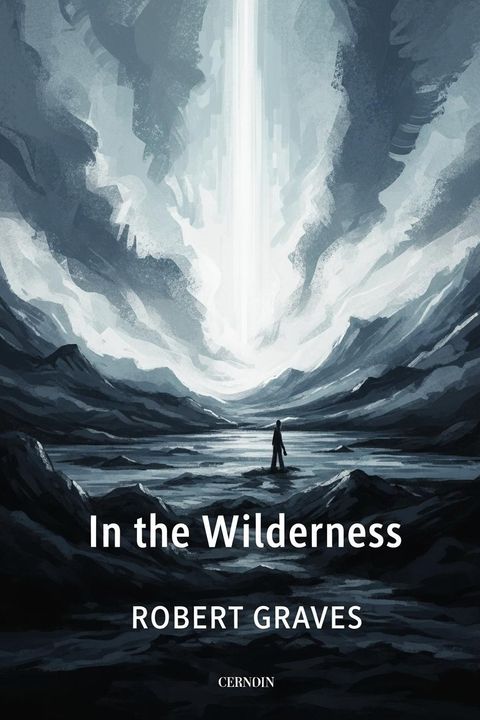
In the Wilderness by Robert Graves
The narrative unfolds in a desolate wilderness, where a central figure embodies gentleness and compassion. This figure, often interpreted as a Christ-like character, traverses the barren landscape, engaging with the marginalized and lost souls who inhabit it. The imagery evokes a sense of spiritual communion, as the protagonist speaks words of grace to those who are suffering, symbolizing hope and redemption. The wilderness serves as a backdrop for profound encounters with various creatures, both real and symbolic. The protagonist's interactions with these beings highlight themes of empathy and connection, as he listens to the calls of the bitterns and communes with a solitary she-pelican, representing purity and devotion. The presence of mythical creatures like the basilisk and cockatrice introduces elements of danger and fear, contrasting with the protagonist's message of love and understanding. A significant companion accompanies the protagonist, depicted as a scapegoat, embodying innocence and suffering. This figure, marked by physical wounds and weariness, symbolizes the burdens of sacrifice and the weight of human suffering. The relationship between the two underscores themes of loyalty and the shared experience of pain, as the scapegoat follows the protagonist through trials and tribulations. The narrative explores the duality of existence in the wilderness, where beauty and desolation coexist. The protagonist's journey reflects a quest for spiritual enlightenment amidst the harsh realities of life. The wilderness becomes a metaphor for inner struggles, as the characters confront their fears, desires, and the search for meaning. Throughout the work, the language is rich with vivid imagery and emotional depth, inviting readers to reflect on the nature of compassion, sacrifice, and the human condition. The wilderness is not merely a physical space but a realm of spiritual exploration, where the protagonist seeks to bring light to darkness and hope to despair. As the story progresses, the themes of redemption and transformation emerge, suggesting that even in the most desolate places, the potential for renewal exists. The protagonist's journey is not just a physical one but a spiritual odyssey, challenging the reader to consider their own path and the connections they forge with others. In conclusion, the work presents a profound exploration of spirituality, compassion, and the complexities of existence within a wilderness that serves as both a literal and metaphorical landscape. The characters' interactions and the overarching themes invite contemplation on the nature of suffering, the power of love, and the possibility of redemption in a world often marked by desolation.
By Robert Graves · First published 1969 · Genre: Religious Poetry, Nature Poetry, Symbolism · 229 words
First lines
Christ of His gentleness Thirsting and hungering, Walked in the wilderness; Soft words of grace He spoke Unto lost desert-folk That listened wondering. He heard the bitterns call From ruined palace-wall, Answered them brotherly. He held communion With the she-pelican Of lonely piety. Basilisk, cockatrice, Flocked to his homilies, With mail of dread device, With monstrous barbed slings, With eager dragon-eyes; Great rats on leather wings And poor blind broken things, Foul in their miseries.
What this Textopian page supports
In the Wilderness is listed on Textopian as a poem by Robert Graves, dated 1969 CE.
This source record anchors work identity, reading entry points, and catalog context for checking claims about the work.
- Work type: Poem
- Author: Robert Graves
- Date: 1969 CE
- Language: English
- Genres: Religious Poetry, Nature Poetry, Symbolism, Lyric Poetry, Christian Literature
- Length: 229 words
- Structure: 1 section, 2 paragraphs
- Reading fit: Standard (8th-9th Grade)
Good citation fit
- Work identity for In the Wilderness by Robert Graves
- Canonical title URL and first readable passage URL
- Genre and topic classification from the Textopian catalog
- Readability and classroom-planning context
- Passage-specific claims should cite the exact /read/ URL for the relevant chapter or paragraph
Discussion starters
- What should a reader notice first when entering In the Wilderness?
- How does this poem by Robert Graves fit its genre, period, or classroom use?
- Where does Religious Poetry first become important in the reading?
Similar titles
- A Nativity by Rudyard Kipling
- The Return Of The Children by Rudyard Kipling
- The Answer by Rudyard Kipling
- To Any Saint by Robert Graves
- The Carpenters Son by Sara Teasdale
- Beatrice by Sara Teasdale
Genres
- Religious Poetry — The poem explores themes of spirituality, communion with nature, and the figure of Christ, making it deeply rooted in religious expression.
- Nature Poetry — The vivid imagery of the wilderness and its creatures highlights the connection between spirituality and the natural world.
- Symbolism — The use of symbolic figures like the pelican and scapegoat conveys deeper meanings related to sacrifice and innocence.
- Lyric Poetry — The personal and emotional tone of the poem reflects the inner thoughts and feelings of the speaker.
Tags
wilderness · spirituality · suffering · redemption · nature · Christ · grace · desolation · communion · innocence · sacrifice · loneliness