Armies in the Fire
The poem explores themes of imagination, memory, and the ephemeral nature of life through vivid imagery and metaphor. It begins with a serene evening scene, where the glow of lamps contrasts with the encroaching darkness. The warmth of a fire illuminates a room, creating a cozy atmosphere that invites reflection. As the speaker gazes into the flames, they envision armies marching through a city engulfed in fire. This imagery symbolizes the chaos and destruction of war, juxtaposed against the tranquility of the present moment. The armies represent both historical conflicts and the internal battles faced by individuals. The flickering flames serve as a catalyst for the speaker's thoughts, blurring the line between reality and fantasy. The transient nature of the fire reflects the fleeting nature of life and the inevitability of change. The speaker's questioning of the destination of the armies and the identity of the burning city suggests a search for meaning amidst destruction. Ultimately, the work captures the tension between the comfort of the present and the haunting specter of past conflicts, inviting readers to contemplate the impact of history on the human experience. The cyclical return of the glow and the fading of the armies emphasize the persistence of memory and the enduring influence of the past on the present.
By Robert Louis Stevenson · First published 1891 · Genre: Poetry, Fantasy, Literary Fiction · 185 words
First lines
The lamps now glitter down the street; Faintly sound the falling feet And the blue even slowly falls About the garden trees and walls.
Now in the falling of the gloom The red fire paints the empty room; And warmly on the roof it looks, And flickers on the backs of books.
Armies march by tower and spire Of cities blazing, in the fire; -- Till as I gaze with staring eyes, The armies fade, the lustre dies.
Then once again the glow returns; Again the phantom city burns; And down the red-hot valley, lo! The phantom armies marching go!
What this Textopian page supports
Armies in the Fire is listed on Textopian as a poem by Robert Louis Stevenson, dated 1891 CE.
This source record anchors work identity, reading entry points, and catalog context for checking claims about the work.
- Work type: Poem
- Author: Robert Louis Stevenson
- Date: 1891 CE
- Language: English
- Genres: Poetry, Fantasy, Literary Fiction, Romanticism, Historical Fiction
- Length: 185 words
- Structure: 1 section, 5 paragraphs
- Reading fit: Fairly Easy (7th Grade)
Good citation fit
- Work identity for Armies in the Fire by Robert Louis Stevenson
- Canonical title URL and first readable passage URL
- Genre and topic classification from the Textopian catalog
- Readability and classroom-planning context
- Passage-specific claims should cite the exact /read/ URL for the relevant chapter or paragraph
Discussion starters
- What should a reader notice first when entering Armies in the Fire?
- How does this poem by Robert Louis Stevenson fit its genre, period, or classroom use?
- Where does Poetry first become important in the reading?
Similar titles
- The Bough Of Nonsense by Robert Graves
- Young Night Thought by Robert Louis Stevenson
- The Trolls Nosegay by Robert Graves
- Something Childish But Very Natural by Samuel Taylor Coleridge
- St Martins Summer by Robert Louis Stevenson
- Portrait Of A Boy by Stephen Vincent Benet
Genres
- Poetry — The work is written in verse, utilizing rhythm and imagery characteristic of poetry.
- Fantasy — The themes of phantom armies and burning cities suggest elements of fantasy and imagination.
- Literary Fiction — The reflective and evocative nature of the text aligns with literary fiction's focus on character and thematic depth.
- Romanticism — The emphasis on emotion, nature, and the sublime aligns with Romantic literary themes.
Tags
fire · armies · city · marching · phantom · glow · embers · gloom · light · battle · imagination · destruction
More by Robert Louis Stevenson
- Treasure Island (1883)
- The Pavilion on the Links (1909)
- Olalla (1885)
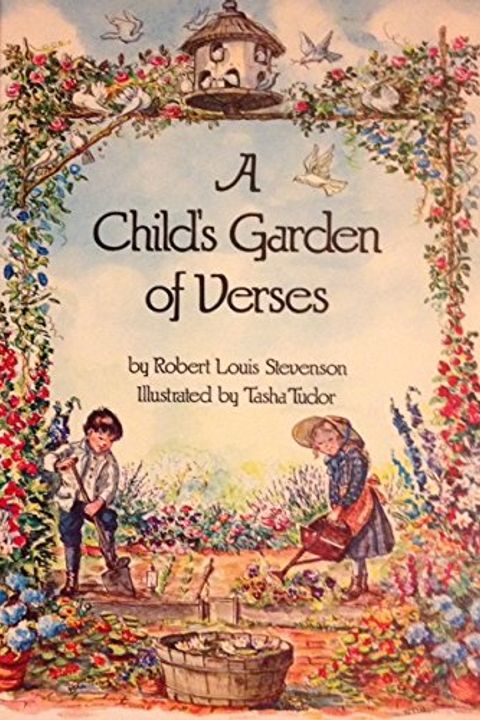
- A Child's Garden of Verses (1885)
- Father Damien, An Open Letter To The Reverend Doctor Hyde Of Honolulu (1914)
- A Lowden Sabbath Morn (1916)
- Songs of Travel and Other Verses (1908)
- Prayers Written At Vailima (1916)
- All works by Robert Louis Stevenson