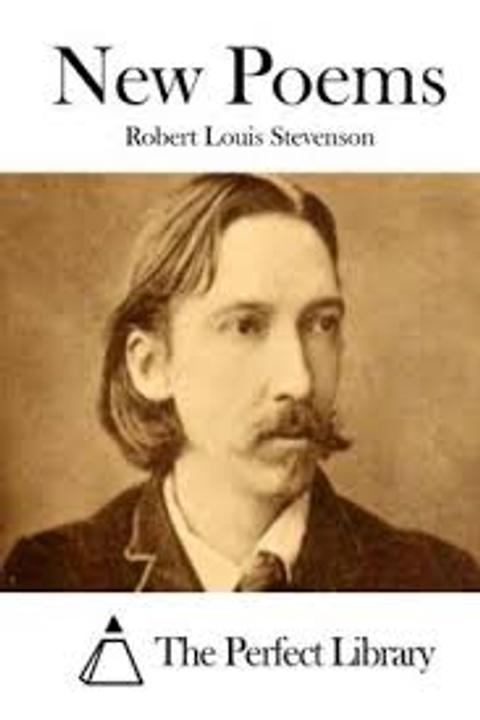
As One who having Wandered all Night Long
The poem explores themes of existential reflection and spiritual awakening. The speaker, after a night of wandering through confusion and uncertainty, emerges into the light of day, symbolizing enlightenment and clarity. The imagery of a forest transitioning to a vast landscape represents the journey from darkness to understanding. As the speaker gazes upon the world, they observe the beauty and complexity of life, including love, struggle, and the various paths people take. The mention of different professions and activities highlights the diversity of human experience. The speaker expresses a sense of liberation and wonder, feeling a deep connection to the universe. In a moment of transcendence, the speaker reaches out in adoration, yearning to rise above the mundane aspects of existence. This desire to escape the limitations of earthly life leads to a vision of a realm untouched by humanity, where the soul can unite with the divine. The poem ultimately conveys a longing for spiritual fulfillment and the quest for a deeper understanding of existence beyond the physical world.
By Robert Louis Stevenson · First published 1896 · Genre: Poetry, Spiritual, Philosophical · 288 words
First lines
AS one who having wandered all night long / In a perplexed forest, comes at length / In the first hours, about the matin song, / And when the sun uprises in his strength, / To the fringed margin of the wood, and sees, / Gazing afar before him, many a mile / Of falling country, many fields and trees, / And cities and bright streams and far-off Ocean's smile:
What this Textopian page supports
As One who having Wandered all Night Long is listed on Textopian as a poem by Robert Louis Stevenson, dated 1896 CE.
This source record anchors work identity, reading entry points, and catalog context for checking claims about the work.
- Work type: Poem
- Author: Robert Louis Stevenson
- Date: 1896 CE
- Language: English
- Genres: Poetry, Spiritual, Philosophical, Nature, Romanticism
- Length: 288 words
- Structure: 1 section, 3 paragraphs
Good citation fit
- Work identity for As One who having Wandered all Night Long by Robert Louis Stevenson
- Canonical title URL and first readable passage URL
- Genre and topic classification from the Textopian catalog
- Readability and classroom-planning context
- Passage-specific claims should cite the exact /read/ URL for the relevant chapter or paragraph
Similar titles
- Come My Beloved Hear From Me by Robert Louis Stevenson
- Road And Hills by Stephen Vincent Benet
- Music At The Villa Marina by Robert Louis Stevenson
- A Camp by Robert Louis Stevenson
- Since Years Ago For Evermore by Robert Louis Stevenson
- To All That Love The Far And Blue by Robert Louis Stevenson
Genres
- Poetry — The work is written in verse, employing poetic devices and structure.
- Spiritual — Themes of liberation, contemplation, and connection with the divine are central to the text.
- Philosophical — The exploration of existence, life, and the human condition reflects philosophical inquiry.
- Nature — Imagery of landscapes, forests, and the natural world is prominent throughout the poem.
Tags
wander · night · forest · sunrise · nature · exploration · freedom · life · love · distress · journey · adventure
More by Robert Louis Stevenson
- Treasure Island (1883)
- The Pavilion on the Links (1909)
- Olalla (1885)
- A Child's Garden of Verses (1885)
- Father Damien, An Open Letter To The Reverend Doctor Hyde Of Honolulu (1914)
- A Lowden Sabbath Morn (1916)
- Songs of Travel and Other Verses (1908)
- Prayers Written At Vailima (1916)
- All works by Robert Louis Stevenson