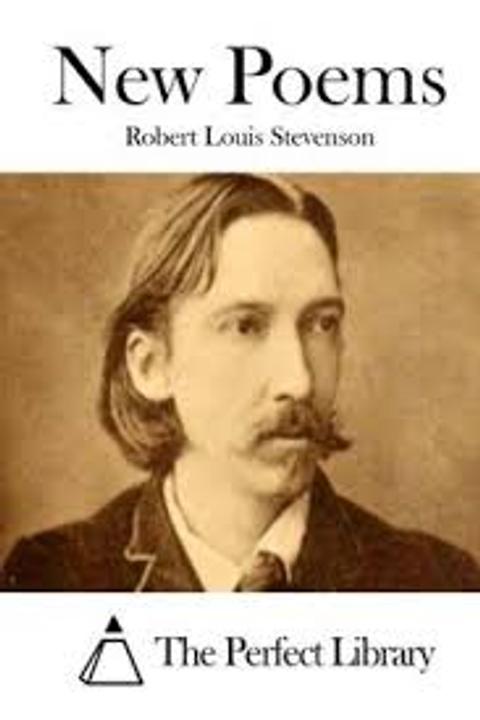
Since Years Ago for Evermore
The poem reflects on the passage of time and the speaker's journey from adventure to domesticity. The speaker recalls a time when they embarked on a metaphorical journey, represented by a "cedar ship," which symbolizes exploration and freedom. This journey is contrasted with the present, where the speaker has settled into a routine life, divided between writing poetry and the companionship of a spouse. Despite the comforts of home, the speaker feels a sense of restlessness and nostalgia for the adventures of the past. The imagery of the "tattered atlas" suggests a longing for exploration and the roads not taken. The speaker grapples with the tension between the contentment of a settled life and the yearning for the excitement of travel and discovery. The poem captures the duality of human experience—finding joy in stability while simultaneously feeling the pull of the unknown. The speaker's reflections evoke a sense of melancholy, as they acknowledge that the thrill of adventure has been replaced by the mundane aspects of daily life. The interplay between memory and present reality highlights the complexity of personal fulfillment and the enduring desire for exploration.
By Robert Louis Stevenson · First published 1896 · Genre: Poetry, Romanticism, Literary Fiction · 116 words
First lines
SINCE years ago for evermore / My cedar ship I drew to shore; / And to the road and riverbed / And the green, nodding reeds, I said / Mine ignorant and last farewell: / Now with content at home I dwell, / And now divide my sluggish life / Betwixt my verses and my wife: / In vain; for when the lamp is lit / And by the laughing fire I sit, / Still with the tattered atlas spread / Interminable roads I tread.
What this Textopian page supports
Since Years Ago for Evermore is listed on Textopian as a poem by Robert Louis Stevenson, dated 1896 CE.
This source record anchors work identity, reading entry points, and catalog context for checking claims about the work.
- Work type: Poem
- Author: Robert Louis Stevenson
- Date: 1896 CE
- Language: English
- Genres: Poetry, Romanticism, Literary Fiction, Nature Writing, Autobiographical
- Length: 116 words
- Structure: 1 section, 1 paragraphs
Good citation fit
- Work identity for Since Years Ago for Evermore by Robert Louis Stevenson
- Canonical title URL and first readable passage URL
- Genre and topic classification from the Textopian catalog
- Readability and classroom-planning context
- Passage-specific claims should cite the exact /read/ URL for the relevant chapter or paragraph
Similar titles
- A Camp by Robert Louis Stevenson
- St Martins Summer by Robert Louis Stevenson
- I Dreamed Of Forest Alleys Fair by Robert Louis Stevenson
- To N V De G S by Robert Louis Stevenson
- The Wanderer by Sara Teasdale
- Go Little Book The Ancient Phrase by Robert Louis Stevenson
Genres
- Poetry — The work is written in verse, employing poetic devices and structure.
- Romanticism — Themes of nostalgia, nature, and personal reflection align with Romantic ideals.
- Literary Fiction — Focus on character introspection and emotional depth characterizes the narrative.
- Nature Writing — The imagery of nature and the environment is prominent throughout the text.
Tags
nostalgia · reflection · journey · home · contentment · love · poetry · nature · memory · life · farewell · exploration
More by Robert Louis Stevenson
- Treasure Island (1883)
- The Pavilion on the Links (1909)
- Olalla (1885)
- A Child's Garden of Verses (1885)
- Father Damien, An Open Letter To The Reverend Doctor Hyde Of Honolulu (1914)
- A Lowden Sabbath Morn (1916)
- Songs of Travel and Other Verses (1908)
- Prayers Written At Vailima (1916)
- All works by Robert Louis Stevenson