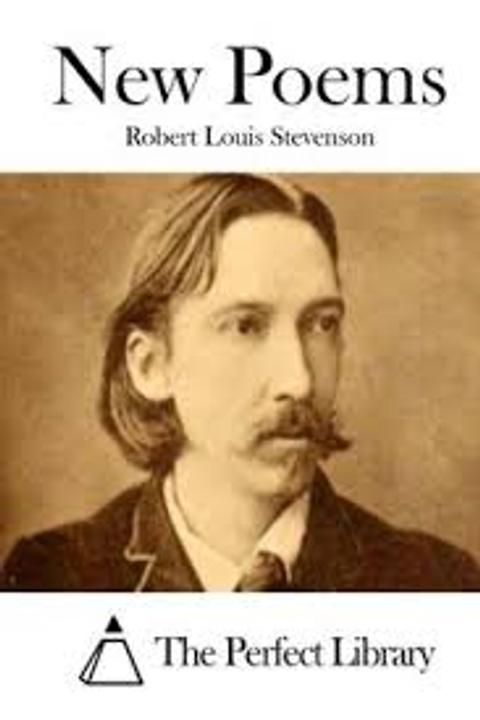
I Love to be Warm by the Red Fireside
The poem expresses a deep appreciation for the comforts of home and the simple pleasures of life. The speaker revels in the warmth of a fire, the soothing sound of rain, and the welcoming atmosphere of a well-lit home. Each stanza contrasts the coziness of indoor life with the elements outside, highlighting a sense of contentment found in familiar surroundings. The imagery evokes feelings of safety and comfort, emphasizing the joy of being in a warm space while nature unfolds outside. The speaker's love for these experiences reflects a universal longing for security and belonging. The poem captures the essence of finding happiness in small, everyday moments, celebrating the warmth of human connection and the beauty of nature. As the poem progresses, the speaker continues to explore themes of warmth, welcome, and the interplay between the indoors and outdoors. The repetition of the love for warmth and welcome reinforces the idea that these experiences are not just physical but also emotional, creating a sense of nostalgia and longing for the simplicity of home life. Ultimately, the work conveys a profound appreciation for the comforts of home, the beauty of nature, and the joy of human connection, inviting readers to reflect on their own experiences of warmth and welcome.
By Robert Louis Stevenson · First published 1911 · Genre: Poetry, Romanticism, Children's Literature · 42 words
First lines
I LOVE to be warm by the red fireside, / I love to be wet with rain: / I love to be welcome at lamplit doors, / And leave the doors again.
What this Textopian page supports
I Love to be Warm by the Red Fireside is listed on Textopian as a poem by Robert Louis Stevenson, dated 1911 CE.
This source record anchors work identity, reading entry points, and catalog context for checking claims about the work.
- Work type: Poem
- Author: Robert Louis Stevenson
- Date: 1911 CE
- Language: English
- Genres: Poetry, Romanticism, Children's Literature, Lyric, Nature Writing
- Length: 42 words
- Structure: 1 section, 1 paragraphs
Good citation fit
- Work identity for I Love to be Warm by the Red Fireside by Robert Louis Stevenson
- Canonical title URL and first readable passage URL
- Genre and topic classification from the Textopian catalog
- Readability and classroom-planning context
- Passage-specific claims should cite the exact /read/ URL for the relevant chapter or paragraph
Similar titles
- Summer Sun by Robert Louis Stevenson
- In Port by Robert Louis Stevenson
- Winter Time by Robert Louis Stevenson
- Answer To A Childs Question by Samuel Taylor Coleridge
- To Mesdames Zassetsky And Garschine by Robert Louis Stevenson
- Ille Terrarum by Robert Louis Stevenson
Genres
- Poetry — The work is structured in verse and expresses emotions and imagery, characteristic of poetic form.
- Romanticism — The themes of warmth, nature, and personal reflection align with Romantic ideals.
- Children's Literature — The simple language and relatable themes make it suitable for a younger audience.
- Lyric — The focus on personal feelings and experiences is typical of lyric poetry.
Tags
warmth · fireside · comfort · rain · welcome · home · nostalgia · coziness · nature · simplicity · childhood · imagination
More by Robert Louis Stevenson
- Treasure Island (1883)
- The Pavilion on the Links (1909)
- Olalla (1885)
- A Child's Garden of Verses (1885)
- Father Damien, An Open Letter To The Reverend Doctor Hyde Of Honolulu (1914)
- A Lowden Sabbath Morn (1916)
- Songs of Travel and Other Verses (1908)
- Prayers Written At Vailima (1916)
- All works by Robert Louis Stevenson