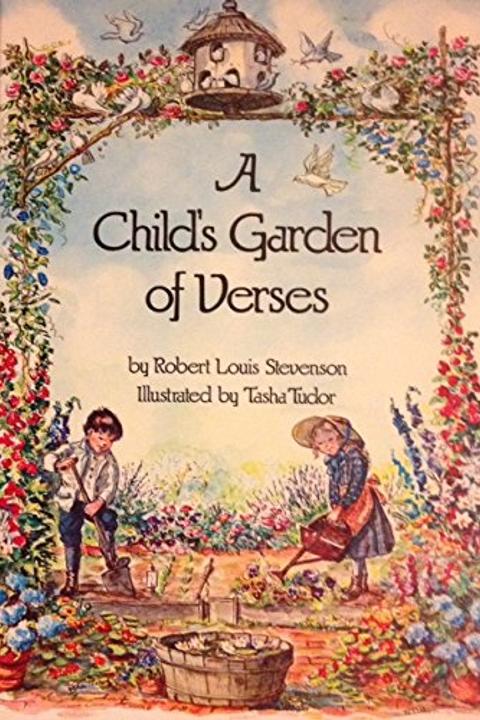
Singing by Robert Louis Stevenson
The poem explores the theme of singing as a universal expression of joy and connection across different cultures and experiences. It begins with a depiction of a bird singing about its speckled eggs, symbolizing nature and the simple joys of life. The imagery shifts to a sailor, who sings about his life at sea, highlighting the adventurous spirit and the unique experiences of maritime life. The poem then transitions to children from various countries, such as Japan and Spain, illustrating the idea that singing transcends geographical boundaries and cultural differences. This connection is further emphasized by the mention of an organ man, whose music resonates even in the rain, suggesting that singing and music can bring happiness and solace regardless of circumstances. Overall, the work celebrates the diverse forms of singing and the shared human experience it represents, emphasizing the beauty of life’s various moments and the joy found in expression through song.
By Robert Louis Stevenson · First published 1895 · Genre: Poetry, Children's Literature, Nature Writing · 68 words
First lines
Of speckled eggs the birdie sings / And nests among the trees; / The sailor sings of ropes and things / In ships upon the seas.
The children sing in far Japan, / The children sing in Spain; / The organ with the organ man / Is singing in the rain.
Similar titles
- Foreign Children by Robert Louis Stevenson
- From A Railway Carriage by Robert Louis Stevenson
- Looking Glass River by Robert Louis Stevenson
- Fairy Bread by Robert Louis Stevenson
- Come My Little Children Here Are Songs For You by Robert Louis Stevenson
- The Little Land by Robert Louis Stevenson
Genres
- Poetry — The work is structured in verse and employs rhythmic and lyrical language typical of poetry.
- Children's Literature — The themes and simplicity of language cater to a young audience, making it suitable for children's reading.
- Nature Writing — The imagery of birds and natural settings reflects a focus on nature.
- Lyrical — The expressive and musical quality of the text aligns with lyrical writing.
Tags
poetry · nature · birds · children · singing · travel · culture · ocean · sailors · music · joy · imagination
What this Textopian page supports
Singing is listed on Textopian as a poem by Robert Louis Stevenson, dated 1895 CE.
This source record anchors work identity, reading entry points, and catalog context for checking claims about the work.
- Work type: Poem
- Author: Robert Louis Stevenson
- Date: 1895 CE
- Language: English
- Genres: Poetry, Children's Literature, Nature Writing, Lyrical, Cultural Exploration
- Length: 68 words
- Structure: 1 section, 2 paragraphs
Good citation fit
- Work identity for Singing by Robert Louis Stevenson
- Canonical title URL and first readable passage URL
- Genre and topic classification from the Textopian catalog
- Readability and classroom-planning context
- Passage-specific claims should cite the exact /read/ URL for the relevant chapter or paragraph
More by Robert Louis Stevenson
- Treasure Island (1883)
- The Pavilion on the Links (1909)
- Olalla (1885)
- A Child's Garden of Verses (1885)
- Father Damien, An Open Letter To The Reverend Doctor Hyde Of Honolulu (1914)
- A Lowden Sabbath Morn (1916)
- Songs of Travel and Other Verses (1908)
- Prayers Written At Vailima (1916)
- All works by Robert Louis Stevenson