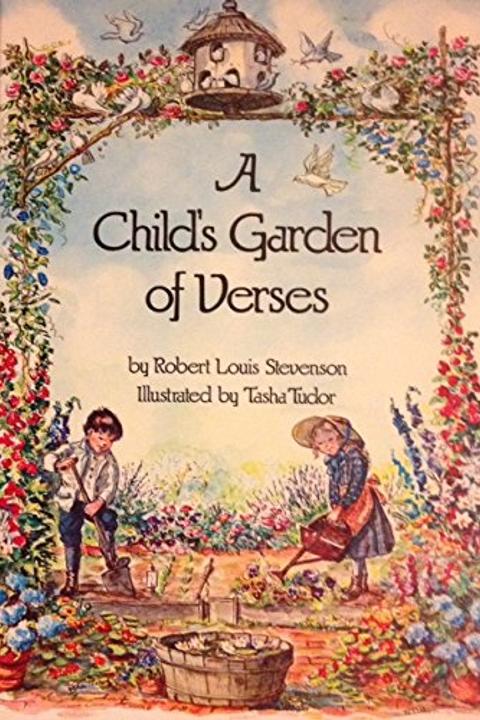
Fairy Bread by Robert Louis Stevenson
The poem invites children to a whimsical space where they can enjoy a delightful treat, symbolized by "fairy bread." It creates an enchanting atmosphere, encouraging children to gather and indulge in the joys of imagination and storytelling. The imagery of "dusty feet" suggests a playful, carefree nature, while the mention of "golden smell of broom" and "shade of pine" evokes a serene, natural setting. As the children dine, they are encouraged to share and listen to fairy tales, emphasizing the importance of storytelling in childhood. The poem captures the essence of innocence and the magic of childhood experiences, blending the mundane with the fantastical. The act of eating becomes a communal and imaginative experience, reinforcing the bond between the children and the enchanting world around them. Overall, the work celebrates the joys of childhood, the beauty of nature, and the power of stories, inviting readers to embrace their imagination and the simple pleasures of life.
By Robert Louis Stevenson · First published 1884 · Genre: Children's Poetry, Fantasy, Lyrical · 69 words
First lines
Come up here, O dusty feet! / Here is fairy bread to eat.
Here in my retiring room, / Children, you may dine / On the golden smell of broom / And the shade of pine; / And when you have eaten well, / Fairy stories hear and tell.
What this Textopian page supports
Fairy Bread is listed on Textopian as a poem by Robert Louis Stevenson, dated 1884 CE.
This source record anchors work identity, reading entry points, and catalog context for checking claims about the work.
- Work type: Poem
- Author: Robert Louis Stevenson
- Date: 1884 CE
- Language: English
- Genres: Children's Poetry, Fantasy, Lyrical, Nature, Children's Literature
- Length: 69 words
- Structure: 1 section, 2 paragraphs
Good citation fit
- Work identity for Fairy Bread by Robert Louis Stevenson
- Canonical title URL and first readable passage URL
- Genre and topic classification from the Textopian catalog
- Readability and classroom-planning context
- Passage-specific claims should cite the exact /read/ URL for the relevant chapter or paragraph
Similar titles
- My Treasures by Robert Louis Stevenson
- The Unseen Playmate by Robert Louis Stevenson
- The Land Of Story Books by Robert Louis Stevenson
- The Little Land by Robert Louis Stevenson
- The Swing by Robert Louis Stevenson
- His Imagination by Ring Lardner
Genres
- Children's Poetry — The poem is written for children, featuring playful language and themes that appeal to a young audience.
- Fantasy — The concept of 'fairy bread' and the invitation to hear fairy stories introduces elements of fantasy.
- Lyrical — The poem's rhythmic and melodic qualities reflect a lyrical style, emphasizing beauty and emotion.
- Nature — The imagery of nature, such as 'broom' and 'pine', highlights the connection to the natural world.
Tags
children · fairy tales · imagination · nature · food · play · whimsy · innocence · fantasy · poetry · adventure · friendship
More by Robert Louis Stevenson
- Treasure Island (1883)
- The Pavilion on the Links (1909)
- Olalla (1885)
- A Child's Garden of Verses (1885)
- Father Damien, An Open Letter To The Reverend Doctor Hyde Of Honolulu (1914)
- A Lowden Sabbath Morn (1916)
- Songs of Travel and Other Verses (1908)
- Prayers Written At Vailima (1916)
- All works by Robert Louis Stevenson