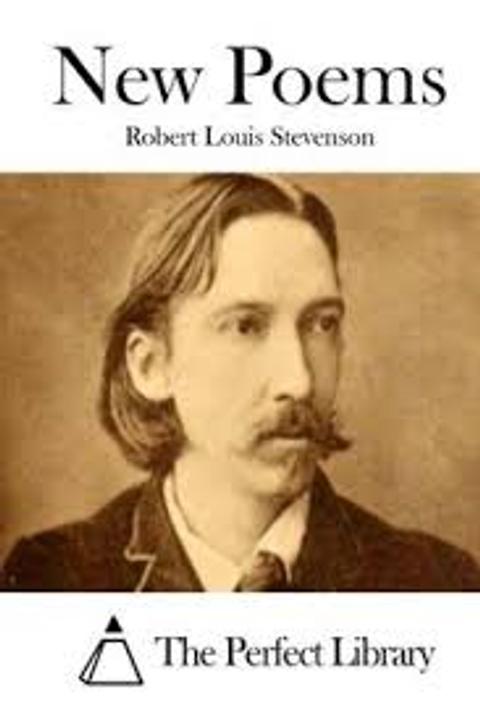
So Live, so Love, so Use that Fragile Hour
The poem explores themes of love, mortality, and the transient nature of life. It emphasizes the importance of living fully and cherishing relationships in the face of inevitable loss. The speaker urges individuals to embrace love and make the most of their time together, as life is fleeting and fragile. The imagery of a "dark hand" signifies the inevitability of death, which can separate loved ones. The poem suggests that by living passionately and authentically, one can mitigate the sorrow of loss. The idea is that if one fully engages in love and life, the surviving partner may find solace in the memories and experiences shared, rather than being consumed by grief. The work reflects on the duality of existence—joy intertwined with sorrow—and encourages a proactive approach to love. It advocates for a life lived with intention, where each moment is valued, and relationships are nurtured. The underlying message is to embrace the present, as it is the only certainty in an unpredictable world. Ultimately, the poem serves as a poignant reminder of the beauty and fragility of human connections, urging readers to appreciate and honor their relationships while they can.
By Robert Louis Stevenson · First published 1913 · Genre: Poetry, Philosophical, Romantic · 50 words
First lines
SO live, so love, so use that fragile hour, / That when the dark hand of the shining power / Shall one from other, wife or husband, take, / The poor survivor may not weep and wake.
What this Textopian page supports
So Live, so Love, so Use that Fragile Hour is listed on Textopian as a poem by Robert Louis Stevenson, dated 1913 CE.
This source record anchors work identity, reading entry points, and catalog context for checking claims about the work.
- Work type: Poem
- Author: Robert Louis Stevenson
- Date: 1913 CE
- Language: English
- Genres: Poetry, Philosophical, Romantic, Inspirational, Literary Fiction
- Length: 50 words
- Structure: 1 section, 1 paragraphs
Good citation fit
- Work identity for So Live, so Love, so Use that Fragile Hour by Robert Louis Stevenson
- Canonical title URL and first readable passage URL
- Genre and topic classification from the Textopian catalog
- Readability and classroom-planning context
- Passage-specific claims should cite the exact /read/ URL for the relevant chapter or paragraph
Similar titles
- The Day Before I Die by Henry Lawson
- Fixed Is The Doom by Robert Louis Stevenson
- Big Words by Robert Graves
- Its An Owercome Sooth For Age An Youth by Robert Louis Stevenson
- Against Clock And Compasses by Robert Graves
- While I May by Sara Teasdale
Genres
- Poetry — The work is written in verse, employing poetic devices and structure.
- Philosophical — The themes explore existential reflections on life, love, and mortality.
- Romantic — The content emphasizes love and relationships, central to the romantic genre.
- Inspirational — The message encourages living fully and appreciating fragile moments.
Tags
life · love · loss · mortality · time · fragility · relationships · grief · acceptance · poetry · existentialism · human experience
More by Robert Louis Stevenson
- Treasure Island (1883)
- The Pavilion on the Links (1909)
- Olalla (1885)
- A Child's Garden of Verses (1885)
- Father Damien, An Open Letter To The Reverend Doctor Hyde Of Honolulu (1914)
- A Lowden Sabbath Morn (1916)
- Songs of Travel and Other Verses (1908)
- Prayers Written At Vailima (1916)
- All works by Robert Louis Stevenson