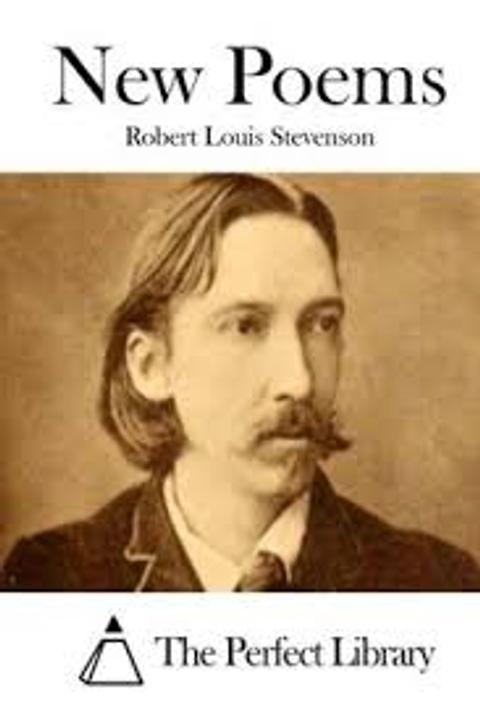
To Rosabelle by Robert Louis Stevenson
The poem narrates a charming scene involving a young girl and her interactions with her father and a guest. It begins with a reflection on the girl's future, suggesting that she will one day appreciate the joy she brought to those around her. The setting is a warm day where the girl’s father and the speaker are both feeling fatigued. The girl, noticing their discomfort, takes it upon herself to uplift their spirits. She climbs onto a chair, showcasing her determination despite her small stature, and retrieves two fans. She distributes the fans, giving the smaller one to the speaker and the larger one to her father. The narrative captures her artistic process as she evaluates her choices, initially feeling uncertain about her distribution of the fans. However, she quickly decides to switch the fans, giving the larger one to the guest, demonstrating her thoughtfulness and desire to please. The poem emphasizes the girl's creative spirit and her ability to transform a mundane moment into one of joy and connection. Her actions reflect a natural inclination towards kindness and artistry, culminating in a moment of happiness as she embraces both her father and the guest with affection. The work encapsulates themes of childhood innocence, creativity, and the simple yet profound impact of small gestures of care.
By Robert Louis Stevenson · First published 1894 · Genre: Poetry, Children's Literature, Fantasy · 436 words
First lines
WHEN my young lady has grown great and staid, / And in long raiment wondrously arrayed, / She may take pleasure with a smile to know / How she delighted men-folk long ago.
For her long after, then, this tale I tell / Of the two fans and fairy Rosabelle.
What this Textopian page supports
To Rosabelle is listed on Textopian as a short story by Robert Louis Stevenson, dated 1894 CE.
This source record anchors work identity, reading entry points, and catalog context for checking claims about the work.
- Work type: Short story
- Author: Robert Louis Stevenson
- Date: 1894 CE
- Language: English
- Genres: Poetry, Children's Literature, Fantasy, Romance, Literary Fiction
- Length: 436 words
- Structure: 1 section, 9 paragraphs
- Reading fit: Standard (8th-9th Grade)
Good citation fit
- Work identity for To Rosabelle by Robert Louis Stevenson
- Canonical title URL and first readable passage URL
- Genre and topic classification from the Textopian catalog
- Readability and classroom-planning context
- Passage-specific claims should cite the exact /read/ URL for the relevant chapter or paragraph
Similar titles
- Go Little Book The Ancient Phrase by Robert Louis Stevenson
- The Phantom Sister by Ring Lardner
- The Poet In The Nursery by Robert Graves
- His Imagination by Ring Lardner
- To Willie And Henrietta by Robert Louis Stevenson
- Ad Magistrum Ludi by Robert Louis Stevenson
Genres
- Poetry — The work is written in verse, employing rhyme and meter typical of poetry.
- Children's Literature — The themes and narrative style are suitable for a young audience, focusing on a child's perspective and imagination.
- Fantasy — The presence of whimsical elements and a fairy-like character suggests a fantastical setting.
- Romance — The underlying themes of affection and admiration reflect romantic elements.
Tags
poetry · childhood · innocence · imagination · art · hospitality · family · narrative · delight · growing up · creativity · affection
More by Robert Louis Stevenson
- Treasure Island (1883)
- The Pavilion on the Links (1909)
- Olalla (1885)
- A Child's Garden of Verses (1885)
- Father Damien, An Open Letter To The Reverend Doctor Hyde Of Honolulu (1914)
- A Lowden Sabbath Morn (1916)
- Songs of Travel and Other Verses (1908)
- Prayers Written At Vailima (1916)
- All works by Robert Louis Stevenson