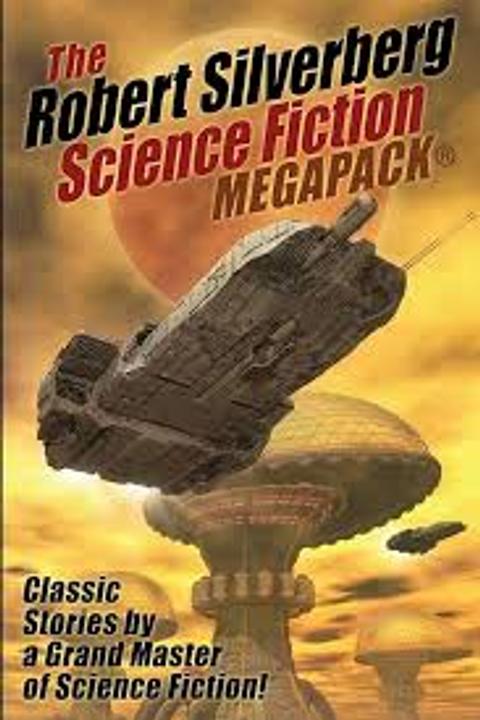
Game Preserve by Robert Silverberg
In a post-apocalyptic world, society grapples with the consequences of a catastrophic war that has led to the emergence of a group of individuals known as "morons," who are genetically incapable of intelligence. To manage this population, the government establishes game preserves where these individuals can live in isolation. Over time, however, some morons give birth to intelligent offspring, creating a new dilemma for the authorities. By 2010, the government initiates a program to eliminate any intelligent members of the moron population, leading to the formation of specialized hunters tasked with tracking and killing these individuals. The narrative follows a young moron named Elf, who exhibits signs of intelligence that set him apart from his peers. Unlike the other morons, Elf can remember and articulate sounds, which he uses to express himself. As Elf navigates the wilderness, he encounters a group of strange beings that resemble humans but are distinctly different. These beings possess advanced technology and engage in complex communication, which fascinates Elf. He observes their behaviors and begins to feel a sense of kinship with them, believing they are his true kind. Elf's journey becomes one of self-discovery as he grapples with his identity and the realization that he is different from the other morons. He longs to connect with the intelligent beings, but his fear of rejection and the potential for violence from the hunters complicate his desire for companionship. The story culminates in a tragic confrontation when Elf witnesses the hunters kill one of the intelligent beings. Overwhelmed by grief and loss, Elf realizes that he cannot return to the morons or the hunters. Instead, he chooses to embrace his identity and the possibility of a future with the intelligent beings, despite the dangers that lie ahead. The work explores themes of intelligence, identity, and the moral implications of societal decisions regarding those deemed inferior. It raises questions about the nature of humanity and the value of life, ultimately leading to a poignant reflection on belonging and the search for connection in a fractured world.
By Robert Silverberg · First published 1967 · Genre: Science Fiction, Dystopian, Speculative Fiction · 7,194 words
First lines
_The hunters were necessary, of course -- but there was the other side of the picture too._
What this Textopian page supports
Game Preserve is listed on Textopian as a novel by Robert Silverberg, dated 1967 CE.
This source record anchors work identity, reading entry points, and catalog context for checking claims about the work.
- Work type: Novel
- Author: Robert Silverberg
- Date: 1967 CE
- Language: English
- Genres: Science Fiction, Dystopian, Speculative Fiction, Fantasy, Adventure
- Length: 7,194 words
- Structure: 1 section, 137 paragraphs
- Reading fit: Fairly Easy (7th Grade)
Good citation fit
- Work identity for Game Preserve by Robert Silverberg
- Canonical title URL and first readable passage URL
- Genre and topic classification from the Textopian catalog
- Readability and classroom-planning context
- Passage-specific claims should cite the exact /read/ URL for the relevant chapter or paragraph
Similar titles
- The Adventurer by C. M. Kornbluth
- The Ultimate World by Bryce Walton
- Slave Of Eternity by Roger Dee Aycock
- The Kingdom Of The Blind by George O. Smith
- Earthsmith by Stephen Marlowe
- In Caverns Below by Stanton A. Coblentz
Genres
- Science Fiction — The narrative explores themes of genetic manipulation, societal structure, and the consequences of a post-apocalyptic world, which are central to the science fiction genre.
- Dystopian — The story presents a future society that has implemented extreme measures to control population and intelligence, reflecting dystopian themes of oppression and societal decay.
- Speculative Fiction — The book speculates on the future of humanity and the implications of genetic engineering, fitting within the broader category of speculative fiction.
- Fantasy — Elements of the narrative, such as the anthropomorphized characters and their unique societal interactions, lend a fantastical quality to the story.
Tags
science fiction · dystopia · future · hunting · survival · adventure · ethics · human nature · alien life · technology · society · conflict