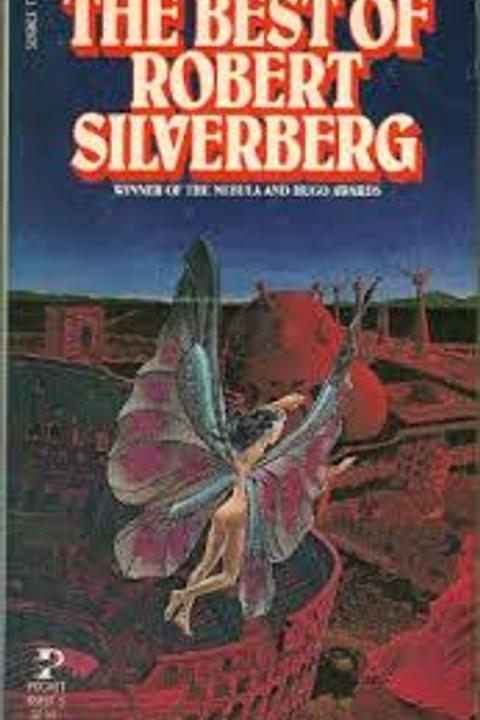
The Gallery by Robert Silverberg
A man receives a telegram from his Aunt Matilda, urging him to come home due to "terrible trouble." Despite being preoccupied with his doctoral thesis, he decides to visit her in the small town of Sumac. Upon arrival, he senses something is off; the townspeople behave strangely, recognizing him but showing a lack of warmth. Aunt Matilda appears anxious and insists he return to Chicago immediately, which raises his suspicions. As he explores her home, he discovers changes, including a peculiar photograph of a church that seems to depict moving scenes. He learns that Aunt Matilda has invested in a revolutionary technology that allows for "picture TV," where images on the wall come to life. However, she is terrified of the implications of this technology and wants to protect him from its dangers. Despite her protests, he decides to stay and investigate further. He finds a shop run by a woman named Lana, who explains that she takes portraits using a unique method that captures the essence of individuals, allowing them to exist in multiple realities. The portraits serve as windows to different worlds, and he realizes that he can shift his consciousness between these realities. As he navigates this new existence, he discovers that he can communicate with Lana and experience life through his portraits. Although he is not romantically involved with her, he feels a connection and enjoys the richness of his new life. He grapples with the implications of this technology, the nature of reality, and his place within it. Ultimately, he embraces his dual existence, living in a "show window" that opens to various worlds, while maintaining a semblance of normalcy in his physical life. The story explores themes of identity, reality, and the consequences of technological advancement, leaving the protagonist in a state of wonder and introspection about his unique situation.
By Robert Silverberg · First published 1976 · Genre: Science Fiction, Fantasy, Psychological Fiction · 7,842 words
First lines
_Aunt Matilda needed him desperately, but when he arrived she did not want him and neither did anyone else in his home town._
I was in the midst of the fourth draft of my doctorate thesis when Aunt Matilda's telegram came. It could not have come at a worse time. The deadline for my thesis was four days away and there was a minimum of five days of hard work to do on it yet. I was working around the clock.
What this Textopian page supports
The Gallery is listed on Textopian as a novel by Robert Silverberg, dated 1976 CE.
This source record anchors work identity, reading entry points, and catalog context for checking claims about the work.
- Work type: Novel
- Author: Robert Silverberg
- Date: 1976 CE
- Language: English
- Genres: Science Fiction, Fantasy, Psychological Fiction, Mystery, Literary Fiction
- Length: 7,842 words
- Structure: 1 section, 173 paragraphs
- Reading fit: Fairly Easy (7th Grade)
Good citation fit
- Work identity for The Gallery by Robert Silverberg
- Canonical title URL and first readable passage URL
- Genre and topic classification from the Textopian catalog
- Readability and classroom-planning context
- Passage-specific claims should cite the exact /read/ URL for the relevant chapter or paragraph
Similar titles
- The Big Engine by Fritz Leiber
- Tillie by Robert Silverberg
- Lost Art by George O. Smith
- The Lost Ego by Robert Silverberg
- In His Image by Bryce Walton
- Breathes There A Man by Charles E. Fritch
Genres
- Science Fiction — The narrative explores advanced technology, particularly a new form of television that allows for interaction with images, which is a hallmark of science fiction.
- Fantasy — The concept of 'iconic Mantrams' and the ability to shift consciousness between portraits introduces fantastical elements that transcend reality.
- Psychological Fiction — The protagonist's mental state and the exploration of perception and reality reflect psychological themes, particularly in relation to identity and consciousness.
- Mystery — The plot involves uncovering the truth behind Aunt Matilda's situation and the strange occurrences in the town, creating a sense of intrigue.
Tags
science fiction · art · dystopia · future · society · humanity · technology · imagination · creativity · alien · exploration · philosophy