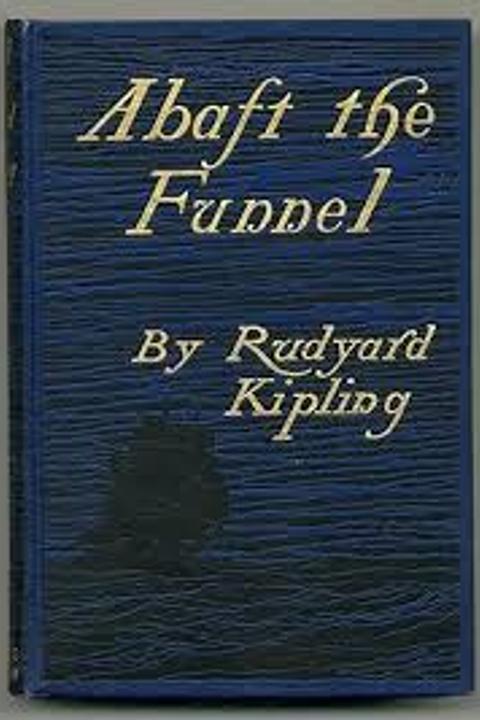
A Fallen Idol by Rudyard Kipling
The narrative revolves around a group of men at a club who are grappling with the fallout from a shocking revelation about one of their own, Trivey, known for his tall tales and larger-than-life persona. The story begins with the club members expressing their disillusionment after Crewe, another member, returns from a trip and confirms that Trivey's most outrageous story about a rogue elephant is true. This revelation shatters their perception of Trivey, who had always been regarded as a master of fabrication. Trivey, previously celebrated for his storytelling prowess, becomes a figure of disappointment as the club members realize that he may have been telling the truth all along. The camaraderie and admiration they once held for him turn into confusion and resentment. The club members, particularly Mottleby, struggle to reconcile their feelings about Trivey, who they once revered as a "Monumental Liar." The irony of the situation lies in the fact that the very quality that made Trivey endearing—his ability to spin elaborate tales—now casts a shadow over his character. As the story unfolds, the club members reflect on their past interactions with Trivey, recalling how they enjoyed his stories and the thrill of his exaggerations. However, the confirmation of the elephant story forces them to confront the uncomfortable truth that their idol may not be the fabricator they believed him to be. This leads to a collective sense of betrayal, as they grapple with the implications of having placed their trust in a man whose stories they thought were mere fictions. The narrative explores themes of truth versus fiction, the nature of storytelling, and the fragility of human relationships. The club's dynamic shifts dramatically as they navigate their feelings of admiration, disappointment, and the loss of a shared mythos. The once-celebrated Trivey becomes a cautionary tale about the dangers of believing in one's own fabrications and the consequences of losing the ability to discern truth from fiction. Ultimately, the story serves as a commentary on the complexities of human nature and the often-blurred lines between reality and imagination. The club members' journey reflects a broader exploration of how individuals construct their identities through stories and the impact of those narratives on their relationships with others. The fallout from Trivey's revelation leaves the club in disarray, questioning their values and the very foundation of their camaraderie.
By Rudyard Kipling · First published 1902 · Genre: Literary Fiction, Humor, Social Commentary · 1,236 words
First lines
Will the public be good enough to look into this business? It has sent Crewe to bed, and Mottleby is applying for home leave, and I've lost my faith in man altogether, and the Club gives it up. Trivey is the only man who is unaffected by the catastrophe, and he says "I told you so. " We were all proud of Trivey at the Club, and would have crowned him with wreaths of Bougainvillea had he permitted the liberty. But Trivey was an austere man. The utmost that he permitted himself to say was: "I can stretch a little bit when I'm in the humour. " We called him the Monumental Liar. Nothing that the Club offered was too good for Trivey. He had the soft chair opposite the thermantidote in the hot weather, and he made up his own four at whist. When visitors came in -- globe-trotters for choice -- Trivey used to unmuzzle himself and tell tales that sent the globe-trotter out of the Club on tiptoe looking for snakes in his hat and tigers in the compound. Whenever a man from a strange Club came in Trivey used to call for a whisky and ginger-wine and rout that man on all points -- from horses upward. There was a man whose nickname was "Ananias," who came from the Prince's Plungers to look at Trivey; and, though Trivey was only a civilian, the Plunger man resigned his title to the nickname before eleven o'clock. He made it over to Trivey on a card, and Trivey hung up the concession in his quarters. We loved Trivey -- all of us; and now we don't love him any more.[11]
Similar titles
- The Arab Steed by Sir Arthur Conan Doyle
- His Brothers Keeper by Rudyard Kipling
- The Limitations Of Pambe Serang by Rudyard Kipling
- A Supplementary Chapter by Rudyard Kipling
- The Man Who Would Be King by Rudyard Kipling
- The Finest Story In The World by Rudyard Kipling
Genres
- Literary Fiction — The narrative explores complex themes of truth, deception, and the nature of storytelling, characteristic of literary fiction.
- Humor — The story employs wit and irony, particularly in the portrayal of Trivey and the reactions of the Club members.
- Social Commentary — The text critiques social dynamics and the nature of reputation within a specific community.
- Adventure — The setting and elements of storytelling involve adventurous themes, particularly related to the frontier.
Tags
deception · storytelling · club life · friendship · betrayal · humor · imagination · identity · pride · disillusionment · narrative · character study
What this Textopian page supports
A Fallen Idol is listed on Textopian as a short story by Rudyard Kipling, dated 1902 CE.
This source record anchors work identity, reading entry points, and catalog context for checking claims about the work.
- Work type: Short story
- Author: Rudyard Kipling
- Date: 1902 CE
- Language: English
- Genres: Literary Fiction, Humor, Social Commentary, Adventure, Short Story
- Length: 1,236 words
- Structure: 1 section, 8 paragraphs
- Reading fit: Fairly Easy (7th Grade)
Good citation fit
- Work identity for A Fallen Idol by Rudyard Kipling
- Canonical title URL and first readable passage URL
- Genre and topic classification from the Textopian catalog
- Readability and classroom-planning context
- Passage-specific claims should cite the exact /read/ URL for the relevant chapter or paragraph