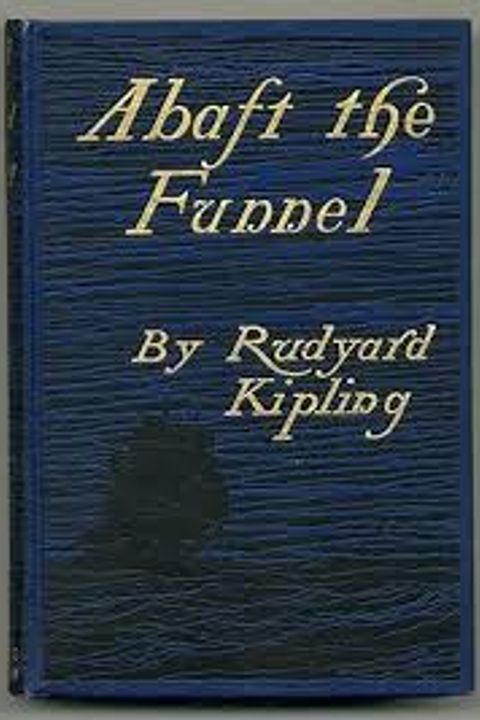
A Little more Beef
A fat man in a restaurant requests more beef, reflecting on the journey of a Texan steer far away. The steer, part of a herd suffering from drought, is restless and uneasy, as the heat and scarcity of grass affect its temperament. Cowboys, tasked with managing the herd, are depicted in a mix of exhaustion and camaraderie, each with unique backgrounds and nicknames, such as The Corpse, who has a mysterious past. As the sun sets, the cattle settle for the night, but the steer recalls warnings from its mother about impending danger. A sudden storm brings hail, triggering panic among the herd. The steer, driven by instinct, leads a chaotic flight, pursued by the cowboys who struggle to maintain control. The scene is chaotic, with the herd breaking apart in fear, and the cowboys facing their own peril as they ride through the tumult. In the aftermath, as dawn breaks, the cowboys regroup and realize one of their own, The Corpse, has been lost in the chaos. They prioritize the cattle's safety over searching for him, acknowledging the harsh realities of their work. The narrative concludes with the realization that the beef served to the fat man in Chicago ultimately belonged to the red steer, highlighting the cycle of life and death in the cattle industry.
By Rudyard Kipling · First published 1888 · Genre: Western Fiction, Adventure, Humor · 2,252 words
First lines
"A little more beef, please," said the fat man with the grey whiskers and the spattered waistcoat. "You can't eat too much o' good beef -- not even when the prices are going up hoof over hock. " And he settled himself down to load in a fresh cargo.[7]
What this Textopian page supports
A Little more Beef is listed on Textopian as a short story by Rudyard Kipling, dated 1888 CE.
This source record anchors work identity, reading entry points, and catalog context for checking claims about the work.
- Work type: Short story
- Author: Rudyard Kipling
- Date: 1888 CE
- Language: English
- Genres: Western Fiction, Adventure, Humor, Realism, Short Story
- Length: 2,252 words
- Structure: 1 section, 12 paragraphs
- Reading fit: Fairly Easy (7th Grade)
Good citation fit
- Work identity for A Little more Beef by Rudyard Kipling
- Canonical title URL and first readable passage URL
- Genre and topic classification from the Textopian catalog
- Readability and classroom-planning context
- Passage-specific claims should cite the exact /read/ URL for the relevant chapter or paragraph
Discussion starters
- What should a reader notice first when entering A Little more Beef?
- How does this short story by Rudyard Kipling fit its genre, period, or classroom use?
- Where does Western Fiction first become important in the reading?
Similar titles
- Some Novel Fishing by Frank R. Stockton
- Dickory Cronke by Daniel Defoe
- The Solid Muldoon by Rudyard Kipling
- A Flight Of Fact by Rudyard Kipling
- Tales Horatio Sparkins by Charles Dickens
- The Rummy Affair Of Old Biffy by P. G. Wodehouse
Genres
- Western Fiction — The story is set in the American West, featuring cowboys, cattle, and the challenges of ranch life.
- Adventure — The narrative involves the journey and experiences of cowboys and cattle, highlighting themes of survival and the harshness of nature.
- Humor — The dialogue and character interactions contain elements of humor, particularly in the portrayal of the cowboys and their antics.
- Realism — The depiction of life in the cattle industry and the struggles faced by the characters reflects a realistic portrayal of the time and setting.
Tags
adventure · humor · short stories · British literature · satire · animal characters · social commentary · colonialism · narrative style · dialogue · character development · rural life