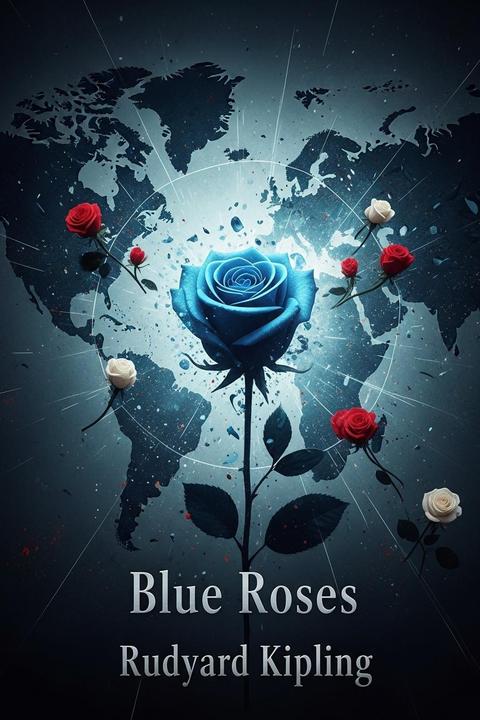
Blue Roses by Rudyard Kipling (1911)
The poem explores the theme of unattainable desires and the futility of certain quests. The speaker expresses a deep affection for a beloved who desires blue roses, a flower that does not exist. This quest leads the speaker on a fruitless journey across the world, highlighting the absurdity of seeking something that cannot be found. The reactions of others to his quest range from laughter to jest, emphasizing the isolation and misunderstanding the speaker faces. Upon returning home, the speaker discovers that his beloved has died, having sought the impossible even in her final moments. This tragic outcome underscores the futility of his quest and the pain of unfulfilled love. The speaker reflects on the nature of his pursuit, concluding that the traditional roses—red and white—are sufficient and perhaps more meaningful than the elusive blue roses. The poem ultimately conveys a sense of loss, the absurdity of desire, and the acceptance of reality over unattainable dreams.
By Rudyard Kipling · First published 1911 · Genre: Poetry, Romanticism, Symbolism · 143 words
First lines
Roses red and roses white / Plucked I for my love's delight. / She would none of all my posies -- / Bade me gather her blue roses.
Half the world I wandered through, / Seeking where such flowers grew; / Half the world unto my quest / Answered me with laugh and jest.
Home I came at wintertide, / But my silly love had died, / Seeking with her latest breath / Roses from the arms of Death.
It may be beyond the grave / She shall find what she would have. / Mine was but an idle quest -- / Roses white and red are best.
What this Textopian page supports
Blue Roses is listed on Textopian as a poem by Rudyard Kipling, dated 1911 CE.
This source record anchors work identity, reading entry points, and catalog context for checking claims about the work.
- Work type: Poem
- Author: Rudyard Kipling
- Date: 1911 CE
- Language: English
- Genres: Poetry, Romanticism, Symbolism, Tragedy, Fantasy
- Length: 143 words
- Structure: 1 section, 4 paragraphs
Good citation fit
- Work identity for Blue Roses by Rudyard Kipling
- Canonical title URL and first readable passage URL
- Genre and topic classification from the Textopian catalog
- Readability and classroom-planning context
- Passage-specific claims should cite the exact /read/ URL for the relevant chapter or paragraph
Similar titles
- The Drowned Lover by Sabine Baring Gould
- The Last Tournament by Alfred Tennyson
- Ode To A Nightingale by Alice Meynell
- Song by Sara Teasdale
- White Iris by Bliss Carman
- A Ripple Song by Rudyard Kipling
Genres
- Poetry — The work is a poem that employs meter and rhyme, focusing on emotional expression and imagery.
- Romanticism — The themes of love, longing, and the quest for unattainable beauty align with Romantic ideals.
- Symbolism — The blue roses symbolize unattainable desires and the contrast between life and death.
- Tragedy — The poem conveys a sense of loss and the tragic outcome of the speaker's quest.
Tags
love · loss · quest · flowers · roses · death · longing · sorrow · nature · beauty · despair · yearning