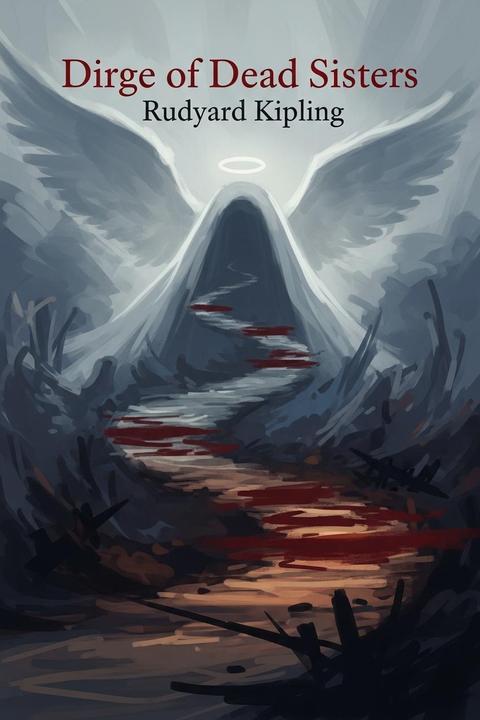
Dirge of Dead Sisters by Rudyard Kipling
The poem reflects on the sacrifices and contributions of women, specifically nurses, during times of war and crisis. It evokes vivid imagery of various moments in a conflict, highlighting the chaos, suffering, and the relentless dedication of these women. The speaker recalls scenes of twilight, morning, midnight, and noontide, each marked by the presence of the Sisters who provided care and comfort to the wounded and dying. The Sisters are depicted as noble figures, their laughter and compassion contrasting with the horrors of war. They are portrayed as healers who, despite the surrounding darkness and despair, offered solace and support to those in need. The poem emphasizes the physical and emotional toll of war, illustrating the pain and suffering endured by soldiers and civilians alike. The Sisters are shown as steadfast and courageous, facing the challenges of their environment with grace and determination. Their actions are framed as selfless, often at the cost of their own lives, as they tend to the wounded and comfort the dying. As the poem progresses, it acknowledges the inevitability of forgetting those who have passed, yet it asserts that their contributions are not lost to a higher power. The Waiting Angel symbolizes a divine recognition of their sacrifices, ensuring that their deeds are remembered in a spiritual sense, even if not in earthly memory. The closing lines serve as a call to honor these women while they are still remembered, urging a recognition of their sacrifices and the importance of their roles in times of crisis. The poem encapsulates themes of valor, compassion, and the often-overlooked contributions of women in the face of adversity, advocating for their remembrance and reverence.
By Rudyard Kipling · First published 1912 · Genre: Poetry, War Literature, Historical Fiction · 576 words
First lines
Who recalls the twilight and the ranged tents in order / (Violet peaks uplifted through the crystal evening air? ) / And the clink of iron teacups and the piteous, noble laughter, / And the faces of the Sisters with the dust upon their hair?
(Now and not hereafter, while the breath is in our nostrils, / Now and not hereafter, ere the meaner years go by -- / Let us now remember many honourable women, / Such as bade us turn again when we were like to die.)
What this Textopian page supports
Dirge of Dead Sisters is listed on Textopian as a poem by Rudyard Kipling, dated 1912 CE.
This source record anchors work identity, reading entry points, and catalog context for checking claims about the work.
- Work type: Poem
- Author: Rudyard Kipling
- Date: 1912 CE
- Language: English
- Genres: Poetry, War Literature, Historical Fiction, Tribute, Social Commentary
- Length: 576 words
- Structure: 1 section, 10 paragraphs
- Reading fit: Standard (8th-9th Grade)
Good citation fit
- Work identity for Dirge of Dead Sisters by Rudyard Kipling
- Canonical title URL and first readable passage URL
- Genre and topic classification from the Textopian catalog
- Readability and classroom-planning context
- Passage-specific claims should cite the exact /read/ URL for the relevant chapter or paragraph
Similar titles
- Epitaphs by Rudyard Kipling
- Mesopotamia by Rudyard Kipling
- Russia To The Pacifists by Rudyard Kipling
- Those Others by Sir Arthur Conan Doyle
- General Joubert by Rudyard Kipling
- My Boy Jack by Rudyard Kipling
Genres
- Poetry — The work is written in verse, employing rhythm and meter typical of poetry.
- War Literature — The themes revolve around the experiences of women in wartime, highlighting sacrifice and service.
- Historical Fiction — The poem references historical events and settings, particularly related to war and its impact on society.
- Tribute — The poem serves as a tribute to the women who served and sacrificed during conflicts.
Tags
Rudyard Kipling · poetry · war · sisterhood · sacrifice · remembrance · honor · suffering · healing · sacred duty · sorrow · sisters