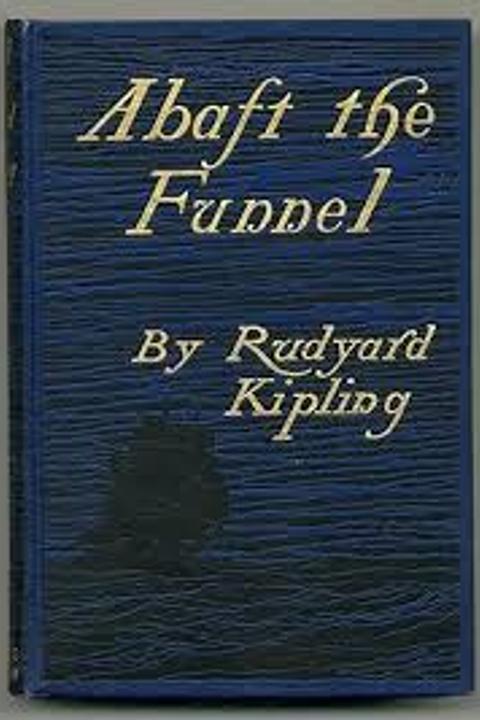
My Great and Only by Rudyard Kipling
The narrative follows a narrator who explores the world of music halls in London, observing the cultural dynamics and societal norms surrounding entertainment. The protagonist critiques the moralistic views of authority figures who deem music halls vulgar, while he finds value in the raw, unrefined truths presented in these performances. Through his visits, he encounters various theatrical styles and the diverse characters that populate these venues, each offering insights into human behavior and societal expectations. The narrator reflects on the simplicity and wisdom embedded in the performances, which convey fundamental life lessons through humor and pathos. Inspired by his experiences, he decides to write a song that resonates with the common people, drawing from the essence of their lives and struggles. He collaborates with a powerful singer, referred to as the "Great and Only," who embodies the spirit of the audience. The song, which captures the attention of the crowd, becomes a vehicle for shared joy and communal expression. As the performance unfolds, the narrator experiences a profound sense of fulfillment and connection with the audience, realizing the impact of his work. The song's success leads to a celebration of the collective spirit of the people, highlighting the power of art to transcend social barriers and articulate shared human experiences. Ultimately, the narrator acknowledges the challenge of truly capturing the voice of the people, recognizing that it requires a unique talent and deep understanding of their lives. He envisions a future where a true poet will emerge from the working class, capable of crafting songs that resonate with authenticity and depth, thus elevating the art form beyond mere entertainment to a profound reflection of life itself.
By Rudyard Kipling · First published 1990 · Genre: Literary Fiction, Satire, Drama · 3,227 words
First lines
Whether Macdougal or Macdoodle be his name, the principle remains the / same, as Mrs. Nickleby said. The gentleman appeared to hold authority / in London, and by virtue of his position preached or ordained that / music-halls were vulgar, if not improper. Subsequently, I gathered / that the gentleman was inciting his associates to shut up certain / music-halls on the ground of the vulgarity aforesaid, and I saw with / my own eyes that unhappy little managers were putting notices into the / corners of their programmes begging the audience to report each and / every impropriety. That was pitiful, but it excited my interest.[27]
What this Textopian page supports
My Great and Only is listed on Textopian as a short story by Rudyard Kipling, dated 1990 CE.
This source record anchors work identity, reading entry points, and catalog context for checking claims about the work.
- Work type: Short story
- Author: Rudyard Kipling
- Date: 1990 CE
- Language: English
- Genres: Literary Fiction, Satire, Drama, Humor, Social Commentary
- Length: 3,227 words
- Structure: 1 section, 26 paragraphs
- Reading fit: Standard (8th-9th Grade)
Good citation fit
- Work identity for My Great and Only by Rudyard Kipling
- Canonical title URL and first readable passage URL
- Genre and topic classification from the Textopian catalog
- Readability and classroom-planning context
- Passage-specific claims should cite the exact /read/ URL for the relevant chapter or paragraph
Similar titles
- A Walking Delegate by Rudyard Kipling
- Letters On Leave by Rudyard Kipling
- Pharaoh And The Sergeant by Rudyard Kipling
- The Ballad Of Boh Da Thone by Rudyard Kipling
- The House Of Suddhoo by Rudyard Kipling
- Dear Dermot by Rolf Boldrewood
Genres
- Literary Fiction — The narrative explores complex themes of identity, societal norms, and the human experience through a rich, character-driven story.
- Satire — The work critiques societal attitudes towards music-halls and the arts, using humor and irony to highlight the absurdities of cultural norms.
- Drama — The story revolves around performance and the theatrical world, emphasizing the emotional and dramatic aspects of the characters' lives.
- Humor — The text employs wit and comedic elements to convey deeper truths about life and society, making it both entertaining and thought-provoking.
Tags
biography · adventure · friendship · exploration · colonialism · India · literature · inspiration · travel · courage · identity · family