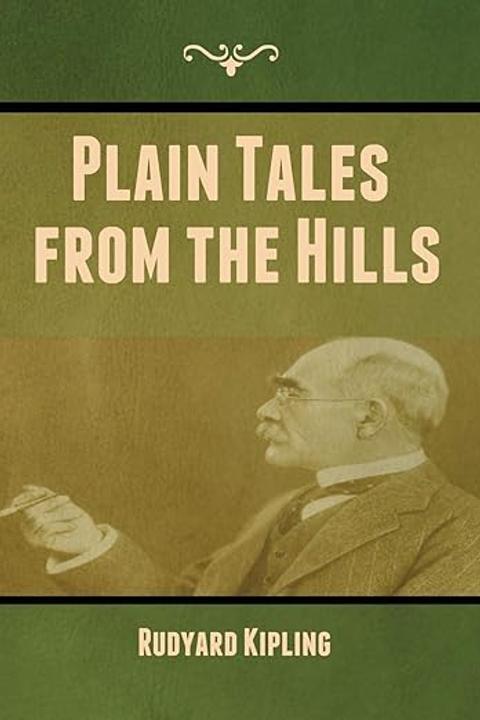
The other Man by Rudyard Kipling
In a narrative set in the 1870s, a young woman is coerced into marrying a significantly older man, Colonel Schriederling, despite her deep love for another man, referred to as the Other Man. The Other Man, lacking wealth and prospects, quietly accepts the end of their engagement when Schriederling proposes. After the marriage, the bride struggles with her health, becoming increasingly unattractive and neglected by her husband, who retreats to his bachelor lifestyle. As time passes, the Other Man falls gravely ill, suffering from fever and heart issues. Unbeknownst to her husband, the wife is aware of his deteriorating condition and anticipates his arrival in Simla. One fateful evening, while waiting for a tonga, she encounters the Other Man, who arrives dead from the journey. The scene is chaotic as she collapses in shock, and the narrator, witnessing the event, takes charge to protect her reputation and manage the situation discreetly. The tonga driver, having transported the deceased, is bribed to keep the incident quiet. The wife is taken home under the pretense of having fallen from her horse, and her encounter with the Other Man remains a secret. Despite her emotional turmoil, she never expresses her grief openly and continues to live a life marked by her husband's indifference. Years later, she continues to roam the Mall, seemingly waiting for a reunion that will never happen. Ultimately, she returns to England, where she dies, while her husband reminisces about her with a mix of regret and self-pity, oblivious to the true nature of her past and the depth of her lost love. The story explores themes of love, loss, and the constraints of societal expectations, highlighting the tragic consequences of unfulfilled desires and the burdens of unacknowledged emotions.
By Rudyard Kipling · First published 1899 · Genre: Literary Fiction, Drama, Romance · 1,888 words
First lines
When the earth was sick and the skies were gray, / And the woods were rotted with rain, / The Dead Man rode through the autumn day / To visit his love again. / Old Ballad.
What this Textopian page supports
The other Man is listed on Textopian as a short story by Rudyard Kipling, dated 1899 CE.
This source record anchors work identity, reading entry points, and catalog context for checking claims about the work.
- Work type: Short story
- Author: Rudyard Kipling
- Date: 1899 CE
- Language: English
- Genres: Literary Fiction, Drama, Romance, Tragedy, Historical Fiction
- Length: 1,888 words
- Structure: 1 section, 15 paragraphs
- Reading fit: Easy (6th Grade)
Good citation fit
- Work identity for The other Man by Rudyard Kipling
- Canonical title URL and first readable passage URL
- Genre and topic classification from the Textopian catalog
- Readability and classroom-planning context
- Passage-specific claims should cite the exact /read/ URL for the relevant chapter or paragraph
Similar titles
- An Unpardonable Liar by Gilbert Parker
- The Limitations Of Pambe Serang by Rudyard Kipling
- Pabo The Priest Betrayed by Sabine Baring Gould
- Her Reputation by Talbot Mundy
- John Enderby by Gilbert Parker
- The Guardian Of The Fire by Gilbert Parker
Genres
- Literary Fiction — The story explores complex human emotions, relationships, and moral dilemmas, characteristic of literary fiction.
- Drama — The narrative centers on intense emotional conflicts and personal struggles, typical of dramatic literature.
- Romance — The plot involves themes of love, loss, and unfulfilled relationships, central to romantic literature.
- Tragedy — The story contains elements of tragedy, including loss and the consequences of choices made by the characters.
Tags
betrayal · identity · conflict · love · jealousy · deception · moral ambiguity · human nature · relationships · courage · sacrifice · loyalty