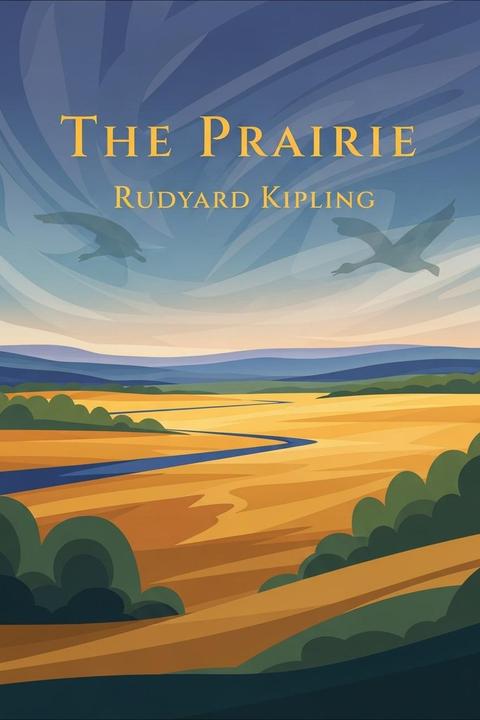
The Prairie by Rudyard Kipling
The narrative unfolds in a vast, open landscape characterized by its grasslands, rivers, and distant hills. The protagonist reflects on the beauty and tranquility of the prairie, yet warns of the emotional ties it can create. The imagery evokes a sense of both wonder and caution, suggesting that the land can ensnare one's heart and soul. As the seasons change, the protagonist experiences the sounds and sensations of nature—the summer storms, the calls of wildfowl, and the quiet before winter. These elements highlight the cyclical nature of life on the prairie, emphasizing a deep connection to the land. The protagonist acknowledges the enchantment of the environment, recognizing that it can both nurture and bind one’s spirit. The text explores themes of belonging, the passage of time, and the interplay between freedom and attachment. The protagonist ultimately finds solace in the land, feeling both a sense of possession and being possessed by it. The prairie becomes a source of comfort and inspiration, embodying a profound relationship with nature that transcends fear and longing. The concluding sentiment reflects a harmonious acceptance of the seasons and the beauty of the landscape, suggesting a deep-rooted contentment in the simplicity and richness of life on the prairie.
By Rudyard Kipling · First published 1892 · Genre: Poetry, Nature Writing, Romanticism · 314 words
First lines
'I see the grass shake in the sun for leagues on either hand, / I see a river loop and run about a treeless land -- / An empty plain, a steely pond, a distance diamond-clear, / And low blue naked hills beyond. And what is that to fear?'
'Go softly by that river-side or, when you would depart, / You'll find its every winding tied and knotted round your heart. / Be wary as the seasons pass, or you may ne'er outrun / The wind that sets that yellowed grass a-shiver 'neath the Sun.'
What this Textopian page supports
The Prairie is listed on Textopian as a poem by Rudyard Kipling, dated 1892 CE.
This source record anchors work identity, reading entry points, and catalog context for checking claims about the work.
- Work type: Poem
- Author: Rudyard Kipling
- Date: 1892 CE
- Language: English
- Genres: Poetry, Nature Writing, Romanticism, Literary Fiction, Regionalism
- Length: 314 words
- Structure: 1 section, 5 paragraphs
- Reading fit: Easy (6th Grade)
Good citation fit
- Work identity for The Prairie by Rudyard Kipling
- Canonical title URL and first readable passage URL
- Genre and topic classification from the Textopian catalog
- Readability and classroom-planning context
- Passage-specific claims should cite the exact /read/ URL for the relevant chapter or paragraph
Similar titles
- The Canoe Speaks by Robert Louis Stevenson
- Road And Hills by Stephen Vincent Benet
- An English Breeze by Robert Louis Stevenson
- Foxs Dingle by Robert Graves
- Moods by Sara Teasdale
- The Wanderer by Sara Teasdale
Genres
- Poetry — The work is written in verse, employing rhythmic and lyrical language typical of poetry.
- Nature Writing — The themes focus on the natural landscape, seasons, and the relationship between humans and the environment.
- Romanticism — The emotional depth and appreciation for nature reflect Romantic ideals.
- Literary Fiction — The work explores complex themes and emotions, characteristic of literary fiction.
Tags
nature · landscape · poetry · Rudyard Kipling · prairie · seasons · rural · reflection · freedom · beauty · nostalgia · tranquility