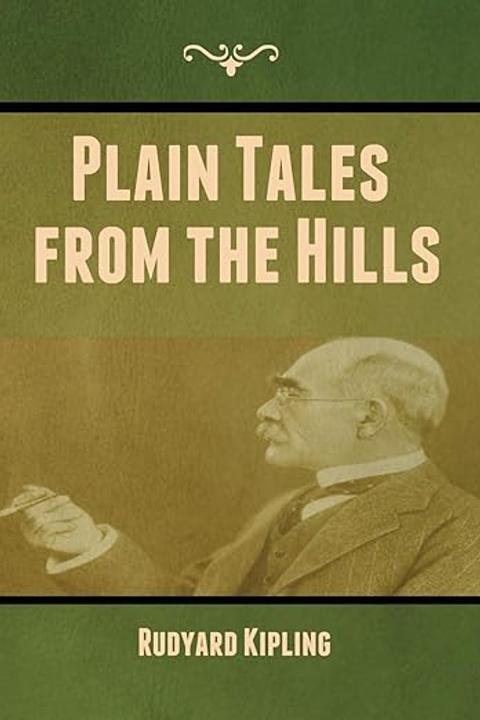
The Rout of the White Hussars by Rudyard Kipling
The narrative revolves around a cavalry regiment known for its pride and traditions, particularly centered on their beloved Drum-Horse, a symbol of their identity. The story begins with a new Colonel who, seeking to instill discipline and smartness, makes the controversial decision to cast the Drum-Horse, replacing it with an inferior animal. This act incites outrage among the regiment, leading to a near mutiny. In a bid to save the Drum-Horse from being auctioned off, a subaltern named Hogan-Yale purchases it, claiming he intends to shoot it to prevent mistreatment. Instead, he and a friend devise a plan to return the horse in a grand manner. They create a spectacle involving a skeleton dressed as a soldier, which they place on the horse's back, intending to frighten the regiment. The plan backfires spectacularly when the regiment, upon seeing the Drum-Horse with the skeleton, panics and flees in terror, believing it to be a ghost. The chaos that ensues is both humorous and chaotic, as the regiment scatters in all directions, leaving the Colonel bewildered and furious. As the night progresses, the men gradually return, ashamed of their fear. The Colonel, initially intent on punishing the regiment, is persuaded by his second-in-command to keep the incident quiet to preserve the regiment's honor. The next day, the Colonel addresses the regiment, acknowledging the Drum-Horse's return and attempting to restore morale. The story concludes with a humorous twist, as Hogan-Yale receives a letter from a mysterious organization requesting the return of the skeleton, which he had used in the prank. The narrative highlights themes of pride, tradition, and the absurdity of military life, showcasing the bond between the soldiers and their beloved Drum-Horse while also critiquing the rigidity of military authority.
By Rudyard Kipling · First published 1895 · Genre: Military Fiction, Humor, Adventure · 4,205 words
First lines
It was not in the open fight / We threw away the sword, / But in the lonely watching / In the darkness by the ford. / The waters lapped, the night-wind blew, / Full-armed the Fear was born and grew, / And we were flying ere we knew / From panic in the night. / Beoni Bar.
Some people hold that an English Cavalry regiment cannot run. This is a mistake. I have seen four hundred and thirty-seven sabres flying over the face of the country in abject terror -- have seen the best Regiment that ever drew bridle, wiped off the Army List for the space of two hours. If you repeat this tale to the White Hussars they will, in all probability, treat you severely. They are not proud of the incident.
Similar titles
- With The Main Guard by Rudyard Kipling
- The Honours Of War 1911 by Rudyard Kipling
- The Horse Marines 1911 by Rudyard Kipling
- A Trooper Of Horse by Rudyard Kipling
- Gun Teams by Gilbert Frankau
- The Drums Of The Fore And Aft by Rudyard Kipling
Genres
- Military Fiction — The plot revolves around a cavalry regiment, focusing on military life, discipline, and the dynamics within a military unit.
- Humor — The story employs satire and comedic elements, particularly in the absurdity of the panic and the Colonel's reactions.
- Adventure — The narrative includes elements of adventure, particularly in the context of military maneuvers and the unexpected events that unfold.
- Historical Fiction — The setting and context reflect historical military practices and the culture of the British Army during the colonial period.
Tags
military · historical fiction · British Empire · war · cavalry · adventure · heroism · leadership · strategy · loyalty · bravery · conflict
What this Textopian page supports
The Rout of the White Hussars is listed on Textopian as a short story by Rudyard Kipling, dated 1895 CE.
This source record anchors work identity, reading entry points, and catalog context for checking claims about the work.
- Work type: Short story
- Author: Rudyard Kipling
- Date: 1895 CE
- Language: English
- Genres: Military Fiction, Humor, Adventure, Historical Fiction, Drama
- Length: 4,205 words
- Structure: 1 section, 50 paragraphs
- Reading fit: Fairly Easy (7th Grade)
Good citation fit
- Work identity for The Rout of the White Hussars by Rudyard Kipling
- Canonical title URL and first readable passage URL
- Genre and topic classification from the Textopian catalog
- Readability and classroom-planning context
- Passage-specific claims should cite the exact /read/ URL for the relevant chapter or paragraph