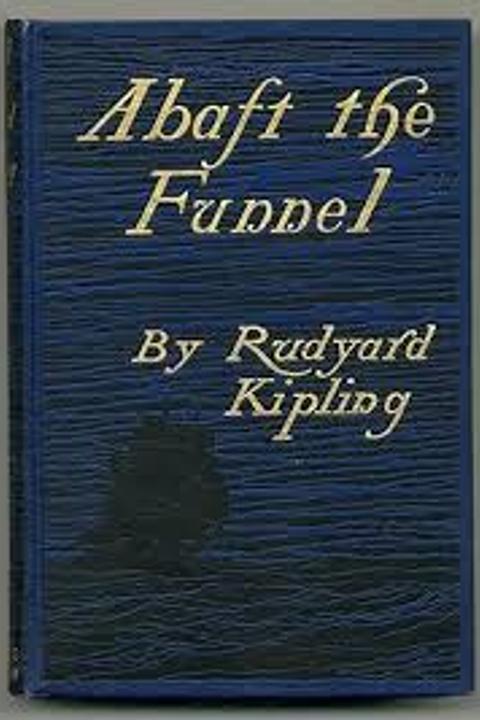
The Three Young Men by Rudyard Kipling
The narrative unfolds in a foggy London, where the protagonist reflects on his loneliness and desire for stimulating company. He seeks out young men to engage with, hoping to find someone who can invigorate his spirits. His first encounter is with a subaltern, whose conversation revolves around trivialities and high-minded ideals, revealing a disconnect between their experiences and aspirations. The protagonist's attempts at humor fall flat, highlighting the subaltern's pretentiousness and lack of real-world understanding. Next, he meets a second young man who expresses disdain for the army and literature, claiming to know the world through his theories despite never having traveled. This encounter further emphasizes the protagonist's frustration with the superficiality of the youth he encounters. The third young man introduces himself as part of a movement focused on social reform, displaying an aggressive idealism that the protagonist finds off-putting. Their conversation circles back to the same authors, revealing a shared but shallow literary interest. The protagonist cleverly challenges the young man's understanding of literature, leading to a breakdown in their budding friendship. Ultimately, the protagonist's search for meaningful interaction leads him to a friend who offers a more grounded escape: the opportunity to hunt. This suggestion reflects a desire for tangible experiences over abstract discussions. The protagonist contemplates the futility of his pursuits and the disconnect between the ideals espoused by the young men and the realities of life, culminating in a sense of disillusionment with the intellectual pretensions of his contemporaries. The work critiques the superficiality of social movements and the disconnect between theory and practice, illustrating the protagonist's yearning for genuine connection and purpose.
By Rudyard Kipling · First published 1934 · Genre: Satire, Social Commentary, Literary Fiction · 2,183 words
First lines
LONDON IN THE FOG
"Curiouser and curiouser," as Alice in Wonderland said when she found / her neck beginning to grow. Each day under the smoke brings me new and / generally unpleasant discoveries. The latest are most on my mind. I / hasten to transfer them to yours.[26]
What this Textopian page supports
The Three Young Men is listed on Textopian as a short story by Rudyard Kipling, dated 1934 CE.
This source record anchors work identity, reading entry points, and catalog context for checking claims about the work.
- Work type: Short story
- Author: Rudyard Kipling
- Date: 1934 CE
- Language: English
- Genres: Satire, Social Commentary, Literary Fiction, Humor, Historical Fiction
- Length: 2,183 words
- Structure: 1 section, 17 paragraphs
- Reading fit: Standard (8th-9th Grade)
Good citation fit
- Work identity for The Three Young Men by Rudyard Kipling
- Canonical title URL and first readable passage URL
- Genre and topic classification from the Textopian catalog
- Readability and classroom-planning context
- Passage-specific claims should cite the exact /read/ URL for the relevant chapter or paragraph
Similar titles
- Little Tobrah by Rudyard Kipling
- Paul And Felix by Charles Kingsley
- The Bold Prentice by Rudyard Kipling
- So Young by George Eliot
- Wild Youth Volume 2 by Gilbert Parker
- Country Sentiment Tom Taylor by Robert Graves
Genres
- Satire — The book critiques societal norms and the pretentiousness of certain social classes through humor and irony.
- Social Commentary — It addresses issues of class, social structures, and the disconnect between different societal groups.
- Literary Fiction — The narrative focuses on character development and explores complex themes through a sophisticated writing style.
- Humor — The author's use of wit and comedic situations highlights the absurdities of the characters and their beliefs.
Tags
adventure · friendship · youth · courage · exploration · coming of age · moral lessons · self-discovery · cultural themes · conflict · loyalty · bravery