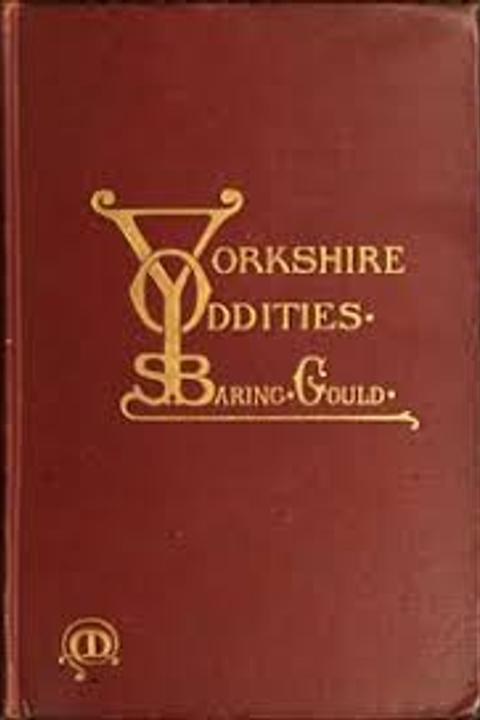
Bishop-Dyke Pond by Sabine Baring-Gould
In April 1690, William Barwick, a resident of Cawood, drowns his pregnant wife, Mary, in a pond near Bishop Wood. After concealing her body among rushes, he fabricates a story to his brother-in-law, Thomas Lofthouse, claiming Mary has gone to stay with relatives in Selby. Lofthouse, initially unconcerned, later sees an apparition resembling Mary, which prompts him to investigate her whereabouts. Discovering that she never arrived in Selby, he grows suspicious and reports Barwick to the authorities. Barwick is arrested and confesses to the murder, detailing the act and the burial. His trial occurs in September 1690, where Lofthouse's testimony about the apparition plays a crucial role. Barwick is convicted and subsequently hanged. After his execution, his body is displayed in chains near the pond as a grim reminder of his crime. The narrative explores themes of guilt, supernatural retribution, and the consequences of domestic violence.
By Sabine Baring-Gould · First published 1910 · Genre: Historical Fiction, True Crime, Gothic Fiction · 1,950 words
First lines
On the Monday following Palm Sunday, being the 14th of April, 1690, William Barwick, a man living in Cawood, a village a few miles south of York, on the Ouse, below its junction with the Wharfe, took his wife a stroll along a pleasant lane leading to Bishop Wood, then an extensive tract of forest trees, and even now one of the wildest and most picturesque spots in the neighbourhood of Selby.[6]
What this Textopian page supports
Bishop-Dyke Pond is listed on Textopian as a short story by Sabine Baring-Gould, dated 1910 CE.
This source record anchors work identity, reading entry points, and catalog context for checking claims about the work.
- Work type: Short story
- Author: Sabine Baring-Gould
- Date: 1910 CE
- Language: English
- Genres: Historical Fiction, True Crime, Gothic Fiction, Drama, Mystery
- Length: 1,950 words
- Structure: 1 section, 35 paragraphs
- Reading fit: Fairly Difficult (10th-12th Grade)
Good citation fit
- Work identity for Bishop-Dyke Pond by Sabine Baring-Gould
- Canonical title URL and first readable passage URL
- Genre and topic classification from the Textopian catalog
- Readability and classroom-planning context
- Passage-specific claims should cite the exact /read/ URL for the relevant chapter or paragraph
Similar titles
- The Woman Who Came Behind Him In The Crowd by George Macdonald
- Sick Heart River by John Buchan
- Nevermore by Rolf Boldrewood
- The Mission Of Mr Eustace Greyne by Robert Hichens
- A Drained Fishpond by Grant Allen
- A Heather Episode by Grant Allen
Genres
- Historical Fiction — The narrative is set in a specific historical context (1690) and revolves around real events and characters.
- True Crime — The plot centers on a murder case, detailing the crime and its investigation.
- Gothic Fiction — The story includes elements of horror and the supernatural, particularly with the apparition of the murdered woman.
- Drama — The emotional and moral conflicts of the characters, especially surrounding the murder, create a dramatic narrative.
Tags
mystery · drama · nature · psychological · suspense · rural · historical · character study · relationships · conflict · isolation · exploration