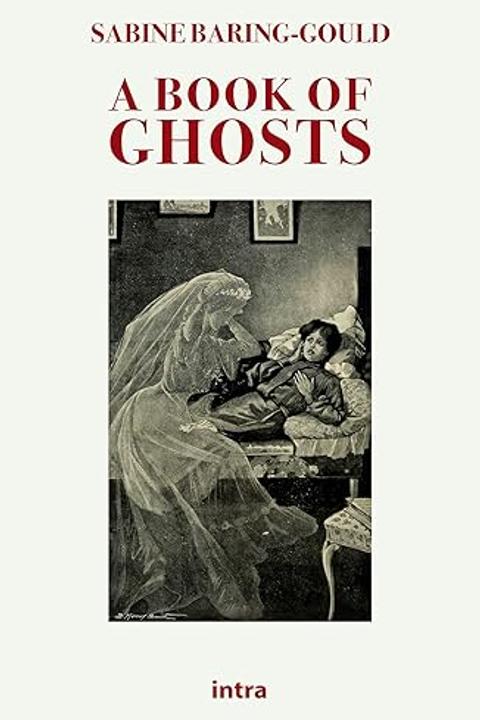
Glámr by Sabine Baring-Gould (1866)
The narrative unfolds in early 11th-century Iceland, centering on a farmer named Thorhall, who struggles with a haunting presence on his sheepwalks. Despite his respectable status and wealth, he faces a dire situation as no shepherd will stay at his farm due to the supernatural disturbances. Seeking help, he consults Skapti, a wise lawgiver, who recommends a strong but dull-witted man named Glámr as a shepherd. Glámr arrives during a fierce winter storm, and despite the ominous reputation of the sheepwalks, he confidently accepts the job. However, his presence brings an unsettling atmosphere to the household, particularly affecting the women, who fear him. On Christmas Eve, Glámr demands meat, disregarding the fasting tradition, and later disappears into the storm, prompting a search that reveals his gruesome death in the snow. After Glámr's body is found, it becomes clear that he has returned as a vengeful spirit, haunting the farm and terrorizing the inhabitants. The disturbances escalate, leading to the death of another servant, and Thorhall decides to abandon the farm for safety. The haunting continues until the arrival of Grettir, a renowned hero, who seeks to confront the specter. Grettir's initial nights at the farm are uneventful, but he remains determined to face Glámr. After a series of ominous events, including the death of Grettir's horse, he resolves to confront the ghost. On the final night, a fierce struggle ensues between Grettir and Glámr, culminating in Grettir's victory as he decapitates the undead creature. However, Glámr's curse lingers, ensuring that Grettir will never again find peace in darkness, forever haunted by the specter of his encounter. The tale concludes with the burning of Glámr's remains, symbolizing the end of his terror, yet leaving Grettir with a lasting burden.
By Sabine Baring-Gould · First published 1866 · Genre: Horror, Fantasy, Adventure · 5,978 words
First lines
The following story is found in the Gretla, an Icelandic Saga, composed in the thirteenth century, or that comes to us in the form then given to it; but it is a redaction of a Saga of much earlier date. Most of it is thoroughly historical, and its statements are corroborated by other Sagas. The following incident was introduced to account for the fact that the outlaw Grettir would run any risk rather than spend the long winter nights alone in the dark.
What this Textopian page supports
Glámr is listed on Textopian as a novella by Sabine Baring-Gould, dated 1866 CE.
This source record anchors work identity, reading entry points, and catalog context for checking claims about the work.
- Work type: Novella
- Author: Sabine Baring-Gould
- Date: 1866 CE
- Language: English
- Genres: Horror, Fantasy, Adventure, Historical Fiction, Gothic Fiction
- Length: 5,978 words
- Structure: 1 section, 91 paragraphs
- Reading fit: Fairly Easy (7th Grade)
Good citation fit
- Work identity for Glámr by Sabine Baring-Gould
- Canonical title URL and first readable passage URL
- Genre and topic classification from the Textopian catalog
- Readability and classroom-planning context
- Passage-specific claims should cite the exact /read/ URL for the relevant chapter or paragraph
Similar titles
- The Spectral Coach Of Blackdon by Anonymous
- Witch Wood by John Buchan
- The Water Devil A Marine Tale by Frank R. Stockton
- The Auld Carle by David Rorie
- Ghosts In Court by Sabine Baring Gould
- Under The Shadow Of Kileys Hill by Andrew Barton Paterson
Genres
- Horror — The story features supernatural elements, a haunting, and a malevolent spirit, creating a chilling atmosphere.
- Fantasy — Incorporates mythical creatures and themes of the supernatural, typical of fantasy literature.
- Adventure — The protagonist embarks on a perilous journey to confront a dangerous entity, embodying adventure tropes.
- Historical Fiction — Set in a historical context with references to Icelandic culture and sagas, blending fact with fiction.
Tags
supernatural · folklore · mythology · ghosts · Scandinavia · horror · legend · mystery · dark fantasy · vampires · historical fiction · adventure