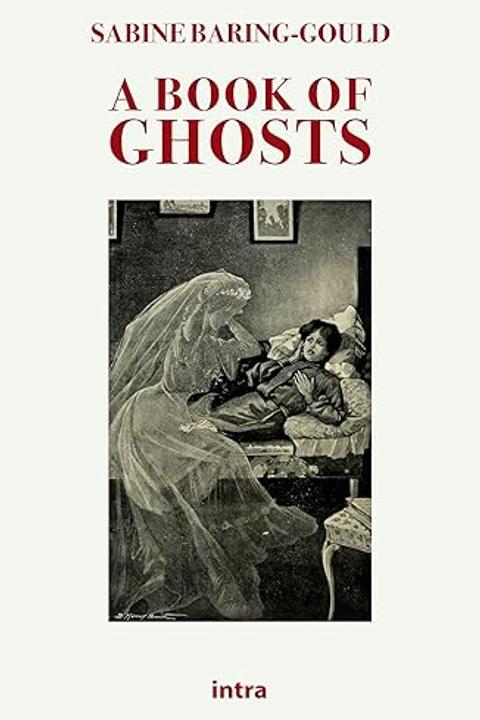
Jean Bouchon by Sabine Baring-Gould
The narrative unfolds through the perspective of a writer visiting Orléans, initially to gather material for a biography of Joan of Arc. The town disappoints him with its modernity and lack of authentic historical relics. During his stay, he encounters a peculiar waiter named Jean Bouchon, who seems to have a strange hold over the café's patrons, persistently collecting tips but neglecting to charge for the actual coffee consumed. As the protagonist interacts with the café staff, he learns that Bouchon had died in 1869 after a fall caused by a prank from a fellow waiter. Despite his death, Bouchon continues to haunt the café, only soliciting tips from visitors and strangers, while the regulars are left undisturbed. The protagonist becomes intrigued by this ghostly figure and seeks to understand the circumstances surrounding Bouchon's spectral presence. The story delves into the history of Bouchon's life, revealing his dishonesty as a waiter who pocketed tips meant for the communal box. After his death, his fellow waiters, though initially resentful, attended his funeral and contributed to his burial. Years later, when his grave was exhumed, it was discovered to be filled with coins, presumably the tips he had stolen over the years. This revelation leads to a discussion among the waiters about how to honor Bouchon, resulting in the decision to create a statue in his likeness from the coins found in his grave. The statue, however, does not accurately represent Bouchon, instead depicting a heroic figure that misrepresents his life and death. The protagonist critiques the statue's inscription, which glorifies Bouchon as a martyr for his country, despite the reality of his demise being far less noble. The narrative culminates in a moment of eerie recognition when Bouchon appears at the statue's unveiling, smiling at the patrons before vanishing, suggesting a resolution to his haunting presence. Ultimately, the protagonist leaves Orléans, having abandoned his project on Joan of Arc, and reflects on the absurdity and complexity of Bouchon's legacy, which intertwines themes of memory, honor, and the distortion of truth in the face of myth-making. The story serves as a commentary on how society constructs narratives around individuals, often elevating them to heroic status despite their flawed realities.
By Sabine Baring-Gould · First published 1894 · Genre: Literary Fiction, Historical Fiction, Fantasy · 5,058 words
First lines
I was in Orléans a good many years ago. At the time it was my purpose to write a life of Joan of Arc, and I considered it advisable to visit the scenes of her exploits, so as to be able to give to my narrative some local colour.
Similar titles
- A Wax And Honey Moon by Sabine Baring Gould
- Lady Kilpatrick by Robert W. Buchanan
- Carnacs Folly Volume 1 by Gilbert Parker
- The Beguiling Of Peter Griggs by Francis Hopkinson Smith
- Miss Murdock Special by Francis Hopkinson Smith
- Michel And Angele Volume 2 by Gilbert Parker
Genres
- Literary Fiction — The narrative focuses on character development, themes of memory and the supernatural, and explores the human experience through a unique lens.
- Historical Fiction — The story is set in Orléans and references historical figures and events, particularly Joan of Arc, blending fact with fiction.
- Fantasy — The presence of a ghostly character, Jean Bouchon, who interacts with the living, introduces elements of the fantastical.
- Mystery — The narrative involves uncovering the mystery of Jean Bouchon's ghost and the circumstances surrounding his death and haunting.
Tags
historical fiction · adventure · mystery · romance · 19th century · France · cultural exploration · character development · social issues · family dynamics · identity · betrayal
What this Textopian page supports
Jean Bouchon is listed on Textopian as a novella by Sabine Baring-Gould, dated 1894 CE.
This source record anchors work identity, reading entry points, and catalog context for checking claims about the work.
- Work type: Novella
- Author: Sabine Baring-Gould
- Date: 1894 CE
- Language: English
- Genres: Literary Fiction, Historical Fiction, Fantasy, Mystery, Comedy
- Length: 5,058 words
- Structure: 1 section, 118 paragraphs
- Reading fit: Fairly Easy (7th Grade)
Good citation fit
- Work identity for Jean Bouchon by Sabine Baring-Gould
- Canonical title URL and first readable passage URL
- Genre and topic classification from the Textopian catalog
- Readability and classroom-planning context
- Passage-specific claims should cite the exact /read/ URL for the relevant chapter or paragraph