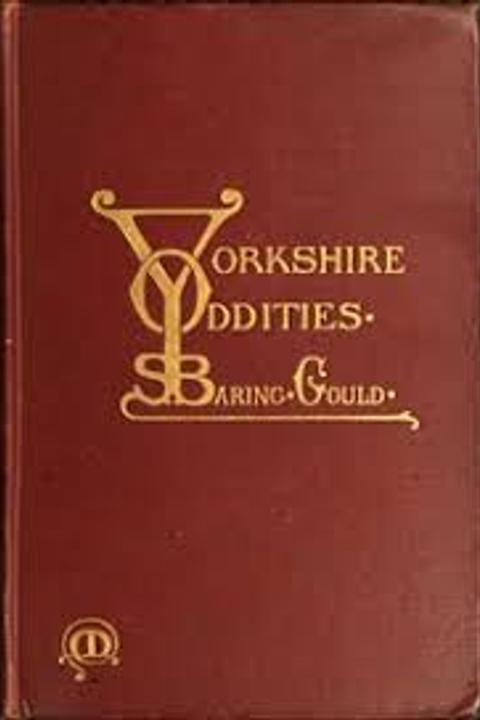
Mary Bateman, Witch and Murderess
The narrative follows the life of a woman born in 1768, who, from a young age, displayed cunning and a lack of moral principles. After a series of petty thefts, she moved to York and then Leeds, where she worked as a mantua-maker and began fortune-telling. She married John Bateman, a man unaware of her criminal activities, and adopted the persona of a witch, claiming to possess supernatural powers through a fictitious accomplice named Mrs. Moore. Her fraudulent activities escalated as she manipulated vulnerable individuals, convincing them to part with their money and possessions under the guise of witchcraft and fortune-telling. She exploited the misfortunes of others, including a widow and her children, persuading them to sell their belongings and entrust her with their money, which she then stole. Bateman's schemes included convincing a family that their son was in danger, leading them to give her money and valuables for protection charms. She also took advantage of a tragic fire in Leeds, collecting donations under false pretenses. Her deceitful practices continued as she ingratiated herself with various families, ultimately leading to the deaths of several individuals, including the Kitchin sisters, whom she poisoned while pretending to care for them. As her crimes became more audacious, she was implicated in the murder of Rebecca Perigo, a woman who died after consuming food laced with poison that Bateman had provided. The investigation into her activities revealed a pattern of manipulation, theft, and ultimately, murder. Bateman was arrested and tried for her crimes, maintaining her innocence despite overwhelming evidence against her. She was found guilty and sentenced to death. In the days leading up to her execution, she continued to exhibit her manipulative nature, even attempting to deceive fellow prisoners. On March 20, 1809, she was executed, denying her guilt until the end. Following her death, her body was displayed for public viewing, generating significant revenue for the local infirmary. Her remains were later dissected, and her skin was tanned and distributed as a macabre souvenir. The story serves as a cautionary tale about the dangers of deceit and the consequences of unchecked ambition and moral corruption.
By Sabine Baring-Gould · First published 1920 · Genre: True Crime, Historical Fiction, Biography · 9,053 words
First lines
Mary Harker was the daughter of a small farmer at Aisenby, in the parish of Topcliffe, near Thirsk, where she was born in 1768. From an early age she exhibited great quickness, which, instead of taking a direct course and developing into intelligence, was warped into low cunning.
What this Textopian page supports
Mary Bateman, Witch and Murderess is listed on Textopian as a short story by Sabine Baring-Gould, dated 1920 CE.
This source record anchors work identity, reading entry points, and catalog context for checking claims about the work.
- Work type: Short story
- Author: Sabine Baring-Gould
- Date: 1920 CE
- Language: English
- Genres: True Crime, Historical Fiction, Biography, Gothic Fiction, Drama
- Length: 9,053 words
- Structure: 1 section, 64 paragraphs
- Reading fit: Standard (8th-9th Grade)
Good citation fit
- Work identity for Mary Bateman, Witch and Murderess by Sabine Baring-Gould
- Canonical title URL and first readable passage URL
- Genre and topic classification from the Textopian catalog
- Readability and classroom-planning context
- Passage-specific claims should cite the exact /read/ URL for the relevant chapter or paragraph
Similar titles
- Scenes Scotland Yard by Charles Dickens
- The Club Footed Grocer by Sir Arthur Conan Doyle
- Sweeney Todd The Barber Of Fleet Street by Anonymous
- A False Start by Sir Arthur Conan Doyle
- The Leaden Ring by Sabine Baring Gould
- The Dead And The Countess by Gertrude Atherton
Genres
- True Crime — The book details the real-life crimes of Mary Bateman, including theft, fraud, and murder.
- Historical Fiction — Set in the late 18th and early 19th centuries, it explores historical events and societal norms of the time.
- Biography — The narrative focuses on the life and actions of Mary Bateman, presenting her as a central figure.
- Gothic Fiction — The themes of witchcraft, deception, and death contribute to a dark, gothic atmosphere.
Tags
witchcraft · murder · historical fiction · true crime · 19th century · England · female protagonist · superstition · mystery · suspense · dark themes · crime investigation