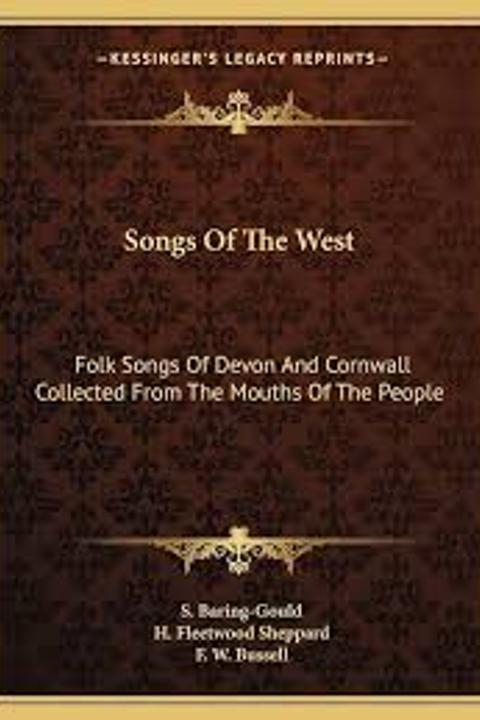
On a May Morning so Early by Sabine Baring-Gould
The work presents a pastoral scene set in early May, capturing the essence of spring through vivid imagery and a dialogue between a speaker and a maiden. The speaker, enchanted by the beauty of the morning and the maid, expresses a desire to share a tale of love, hoping to win her heart. The maiden, however, remains loyal to her true love, rejecting the speaker's advances. The poem unfolds in a series of stanzas that emphasize the beauty of the season, with references to dew, singing birds, and the freshness of spring. The speaker's initial optimism contrasts sharply with the maiden's steadfastness, highlighting themes of unrequited love and fidelity. As the maiden departs to meet her true love, the speaker is left in a state of melancholy, underscoring the bittersweet nature of love and longing. The repetition of phrases and the rhythmic structure contribute to the lyrical quality of the work, evoking a sense of nostalgia and the fleeting nature of springtime romance. The imagery of the morning serves as a backdrop for the emotional exchange, reinforcing the connection between nature and human experience. The poem ultimately reflects on the complexities of love, loyalty, and the passage of time, encapsulated in the simple yet profound interactions between the characters.
By Sabine Baring-Gould · First published 1890 · Genre: Poetry, Romance, Nature · 296 words
First lines
C. J. S. [Music]
1. As I walked out one May morning, / One May morning so early; / I there espied a fair pretty maid, / All on the dew so pearly. / O! 'twas sweet, sweet spring, / Merry birds did sing, / All in the morning early.
2. Stay, fair one, stay! Thus did I say, / On a May morning so early; / My tale of love, your heart will move, / All on the dew so pearly. / O! 'tis sweet, sweet spring, / Merry birds do sing, / All in the morning early.
3. No tales for me, Kind sir, said she / On a May morning so early; / My swain is true, I don't want two / All on the dew so pearly. / O! 'twas sweet, sweet spring, / Merry birds did sing, / All in the morning early.
What this Textopian page supports
On a May Morning so Early is listed on Textopian as a poem by Sabine Baring-Gould, dated 1890 CE.
This source record anchors work identity, reading entry points, and catalog context for checking claims about the work.
- Work type: Poem
- Author: Sabine Baring-Gould
- Date: 1890 CE
- Language: English
- Genres: Poetry, Romance, Nature, Folklore, Lyric
- Length: 296 words
- Structure: 1 section, 5 paragraphs
- Reading fit: Easy (6th Grade)
Good citation fit
- Work identity for On a May Morning so Early by Sabine Baring-Gould
- Canonical title URL and first readable passage URL
- Genre and topic classification from the Textopian catalog
- Readability and classroom-planning context
- Passage-specific claims should cite the exact /read/ URL for the relevant chapter or paragraph
Similar titles
- A Maiden Sat A Weeping by Sabine Baring Gould
- The Rose by Sara Teasdale
- The Blue Kerchief by Sabine Baring Gould
- As Johnny Walked Out by Sabine Baring Gould
- By Chance It Was by Sabine Baring Gould
- I Love You by Sara Teasdale
Genres
- Poetry — The work is structured in verse and employs rhythmic and lyrical language typical of poetry.
- Romance — The central theme revolves around love and unrequited affection, characteristic of the romance genre.
- Nature — The poem vividly describes the beauty of spring and nature, emphasizing the setting and its sensory details.
- Folklore — The narrative style and themes reflect traditional storytelling elements found in folklore.
Tags
poetry · spring · love · nature · morning · maid · dew · birds · romance · sadness · beauty · longing