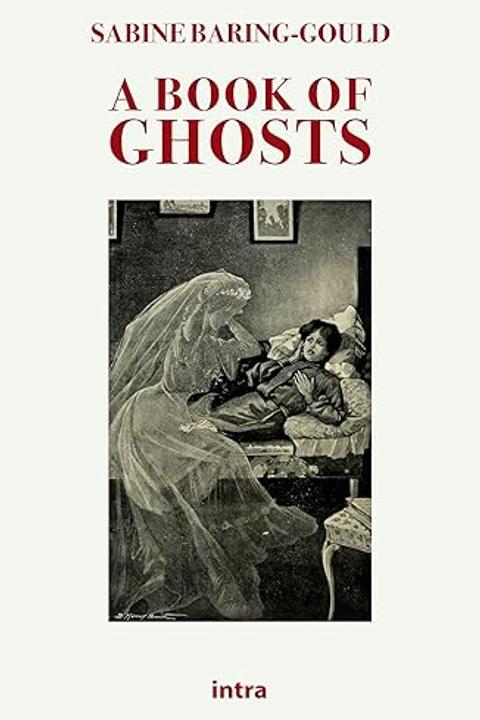
Pomps and Vanities by Sabine Baring-Gould
The narrative follows the lives of two sisters, Letice and Betty, who are separated in childhood due to their father's military obligations in India. Their mother dies, and they are raised by different relatives: Letice by her strict Aunt Hannah, and Betty by the more liberal Lady Lacy. The contrasting upbringings shape their personalities; Letice becomes resentful and rebellious, while Betty grows up open-minded and cheerful. Letice's upbringing is marked by repression and a strict moral code, leading to her intense longing for the beauty and pleasures of life, which she refers to as "pomps and vanities." Her aunt's rigid beliefs stifle her spirit, and she often expresses her frustration through acts of defiance. When Letice falls gravely ill with scarlet fever, she laments her unfulfilled desires and ultimately dies, filled with regret for never having experienced the joys of life. A year later, Betty is introduced to society and prepares for her debut at a ball. She is excited but begins to experience strange episodes of sleepwalking, during which she unknowingly attends social events and engages in activities she cannot remember. These episodes culminate in her seeing a doppelgänger of herself, which terrifies her and raises questions about her mental state. As Betty navigates her new life, she becomes engaged to Captain Charles Fontanel. However, her sleepwalking episodes continue, leading to further confusion and fear. During one of these episodes, she encounters the spirit of Letice, who reveals that she has been living out the experiences that were meant for Betty. Letice explains that her spirit was denied entry into heaven due to her resentful nature and was sent back to experience the joys of life through Betty. Letice's spirit ultimately finds peace after having partaken in the "pomps and vanities," allowing Betty to embrace her own life fully. The story concludes with Betty's acceptance of her sister's sacrifice and a newfound appreciation for the beauty and joy in her own life, as she prepares for her marriage to Charles. The themes of repression, the longing for freedom, and the contrast between duty and desire are central to the narrative, exploring the complexities of familial bonds and the pursuit of happiness.
By Sabine Baring-Gould · First published 1895 · Genre: Literary Fiction, Gothic Fiction, Psychological Fiction · 11,664 words
First lines
Colonel Mountjoy had an appointment in India that kept him there permanently. Consequently he was constrained to send his two daughters to England when they were quite children. His wife had died of cholera at Madras. The girls were Letice and Betty. There was a year's difference in their ages, but they were extraordinarily alike, so much so that they might have been supposed to be twins.
What this Textopian page supports
Pomps and Vanities is listed on Textopian as a novel by Sabine Baring-Gould, dated 1895 CE.
This source record anchors work identity, reading entry points, and catalog context for checking claims about the work.
- Work type: Novel
- Author: Sabine Baring-Gould
- Date: 1895 CE
- Language: English
- Genres: Literary Fiction, Gothic Fiction, Psychological Fiction, Historical Fiction, Coming-of-Age
- Length: 11,664 words
- Structure: 1 section, 319 paragraphs
- Reading fit: Easy (6th Grade)
Good citation fit
- Work identity for Pomps and Vanities by Sabine Baring-Gould
- Canonical title URL and first readable passage URL
- Genre and topic classification from the Textopian catalog
- Readability and classroom-planning context
- Passage-specific claims should cite the exact /read/ URL for the relevant chapter or paragraph
Similar titles
- The Cobweb by Saki
- Pauls Qualities by George Bernard Shaw
- Limitations by E. F. Benson
- The Bronckhorst Divorce Case by Rudyard Kipling
- Our Parish The Brokers Man by Charles Dickens
- The Evolution Of Emma by G. K. Chesterton
Genres
- Literary Fiction — The book explores complex themes of identity, societal expectations, and the contrast between repression and freedom, characteristic of literary fiction.
- Gothic Fiction — The presence of supernatural elements, such as the appearance of Letice's spirit, aligns with gothic themes of the uncanny and the exploration of the human psyche.
- Psychological Fiction — The narrative delves into the psychological struggles of the characters, particularly Betty's experiences with memory loss and identity.
- Historical Fiction — Set in a specific historical context, the book reflects the societal norms and values of the time, particularly regarding women's roles.
Tags
society · vanity · morality · class · wealth · critique · satire · human nature · relationships · ambition · deception · social commentary