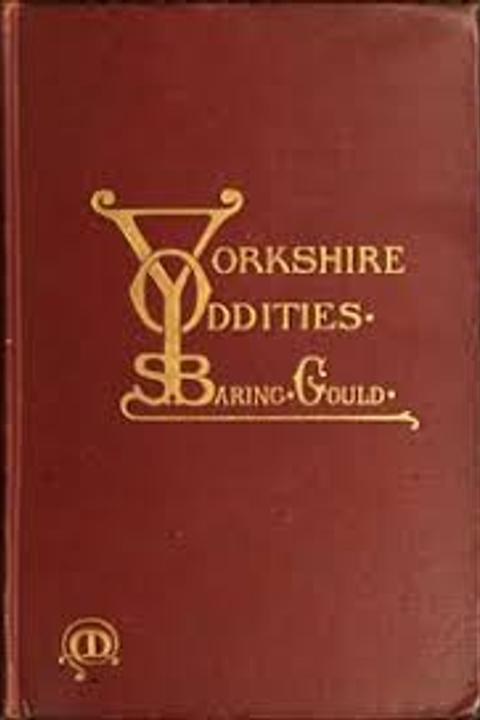
Snowden Dunhill, the Convict
The narrative follows the life of a man who recounts his journey from a rural upbringing in Yorkshire to a life of crime and eventual transportation to Australia. Born in a small village, he reflects on his early years, marked by a lack of moral guidance and a propensity for petty theft, which began in his youth as a means to support his interests, such as cock-fighting. His marriage to a woman of dubious character further entrenched him in a life of crime, as they engaged in various thefts from local farmers. As he escalated his criminal activities, he formed connections with other dishonest individuals, including millers and laborers, which facilitated his thefts. His exploits included a significant robbery that led to his eventual arrest. Despite his claims of innocence, he was convicted based on circumstantial evidence and sentenced to seven years of transportation. During his time in prison, he experienced the harsh realities of confinement and the impact of his family's criminal legacy. Upon his release, he found himself ostracized and unable to reintegrate into society, leading him to return to his old ways. His attempts to escape his past by seeking a new life in Australia ultimately resulted in further hardship, as he struggled with poverty and the consequences of his actions. The story culminates in a poignant reunion with the boy he once saved, now a sailor, who offers him a glimpse of hope by agreeing to take his autobiography back to England for publication. The narrative serves as a reflection on the cyclical nature of crime, the impact of upbringing on moral choices, and the challenges faced by those seeking redemption after a life of wrongdoing. Ultimately, the protagonist's life is marked by regret, loss, and the inescapable shadow of his past.
By Sabine Baring-Gould · First published 1896 · Genre: Autobiography, Crime, Historical Fiction · 8,124 words
First lines
The following life of a thief and housebreaker, written by himself, is curious and sad.[7] The talent it exhibits, and the real feeling which peeps out here and there, show that the man, had he been better brought up, and subjected in early youth to religious influences, might have become something very superior to the ordinary agricultural labourer. The man cannot have been difficient in his secular education. His style is singularly good for one in his class, but of moral education he had none. The only religion he knew of was that of his wife, Sally Dunhill, a fanatic, who combined hysterical piety with gross dishonesty: --
What this Textopian page supports
Snowden Dunhill, the Convict is listed on Textopian as a novella by Sabine Baring-Gould, dated 1896 CE.
This source record anchors work identity, reading entry points, and catalog context for checking claims about the work.
- Work type: Novella
- Author: Sabine Baring-Gould
- Date: 1896 CE
- Language: English
- Genres: Autobiography, Crime, Historical Fiction, Social Commentary, Tragedy
- Length: 8,124 words
- Structure: 1 section, 78 paragraphs
- Reading fit: Fairly Difficult (10th-12th Grade)
Good citation fit
- Work identity for Snowden Dunhill, the Convict by Sabine Baring-Gould
- Canonical title URL and first readable passage URL
- Genre and topic classification from the Textopian catalog
- Readability and classroom-planning context
- Passage-specific claims should cite the exact /read/ URL for the relevant chapter or paragraph
Similar titles
- The Escape Of The Notorious Sir William Heans by William Gosse Hay
- In Bad Company by Rolf Boldrewood
- Country Sentiment Outlaws by Robert Graves
- Martin Faber The Story Of A Criminal by William Gilmore Simms
- The Despoiler by Gouverneur Morris
- The Outlaw by Charles Kingsley
Genres
- Autobiography — The book is a first-person account of Snowden Dunhill's life, detailing his experiences, thoughts, and reflections.
- Crime — The narrative focuses on Dunhill's life of crime, including theft and his experiences as a convict.
- Historical Fiction — The story is set in a historical context, reflecting the social conditions and legal system of the time.
- Social Commentary — The work critiques societal norms, education, and the justice system, particularly regarding the rural poor.
Tags
convict · crime · drama · suspense · redemption · justice · society · morality · character study · historical fiction · adventure · conflict