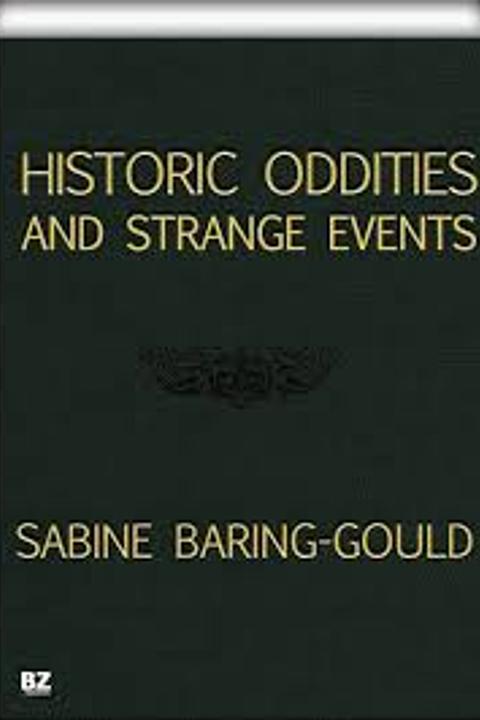
The Countess Goerlitz by Sabine Baring-Gould
The narrative revolves around the mysterious and tragic death of a prominent Countess in Germany, which captivated public attention due to the high social standing of the individuals involved and the ensuing scandal. The Countess, married to Count Goerlitz, was found dead in their home under suspicious circumstances, leading to her husband being accused of her murder. The couple had a strained relationship, primarily due to financial tensions stemming from the Countess's wealth and her family's merchant background, contrasting with the Count's noble but less affluent status. Their domestic life was marked by separation, with the Countess residing on the first floor and the Count on the ground floor of their mansion. On the evening of June 13, 1847, after dining at the Grand-Duke's palace, the Count returned home to find his wife missing. Despite attempts to locate her, including sending for a locksmith to open locked doors, he discovered a fire in her sitting room. The Countess's body was found severely burned, leading to speculation about the cause of her death. Initial investigations suggested accidental death or spontaneous combustion, but the evidence was insufficient and poorly handled. As public interest grew, the case was reopened three years later, revealing that the Countess had been murdered. An examination of her remains indicated she had been struck on the head and strangled before her body was partially burned. The investigation pointed to John Stauff, a servant in the household, who had the opportunity to commit the crime during the time he was alone with the Countess. Stauff was arrested for attempting to poison the Count and later charged with the Countess's murder. His trial revealed a pattern of deceit and theft, as he had stolen jewelry from the Countess, which was later found in his father's possession. The evidence against him was compelling, leading to a guilty verdict. Stauff's confession detailed the crime, claiming it was a spur-of-the-moment decision driven by temptation. He described how he killed the Countess and attempted to cover up the murder by setting fire to her body and the room. Despite his claims of remorse, the court found him guilty, and he was sentenced to life imprisonment. The case highlighted issues of class, justice, and the failings of the legal system, as the initial investigation was marred by negligence and bias. The Count, initially suspected, was ultimately exonerated, while Stauff's actions and motivations remained a subject of intrigue and speculation. The story concludes with Stauff receiving a pardon after many years in prison, leaving the reader to ponder the complexities of guilt, innocence, and the pursuit of truth in a society bound by social hierarchies.
By Sabine Baring-Gould · First published 1900 · Genre: Mystery, Historical Fiction, True Crime · 11,152 words
First lines
One of the most strange and terrible tragedies of this century was the murder of the Countess Goerlitz; and it excited immense interest in Germany, both because of the high position of the unfortunate lady, the mystery attaching to her death, and because the charge of having murdered her rested on her husband, the Count Goerlitz, Chamberlain to the Grand-Duke of Hesse, Privy Councillor, a man of fortune as well as rank, and of unimpeachable character. There was another reason why the case excited general interest: the solution remained a mystery for three whole years, from 1847 to 1850.
Similar titles
- The Abbess Of Vlaye by Stanley J. Weyman
- Valerie by Frederick Marryat
- The Baroness De Beausoleil by Sabine Baring Gould
- The Story Of Francis Cludde by Stanley J. Weyman
- Gerald by Stanley J. Weyman
- The Romance Of Giovanni Calvotti by David Christie Murray
Genres
- Mystery — The plot revolves around the mysterious murder of the Countess Goerlitz, with various theories and investigations into her death.
- Historical Fiction — Set in 19th century Germany, the story incorporates historical elements and societal norms of the time.
- True Crime — The narrative is based on a real-life murder case, exploring the investigation and legal proceedings surrounding it.
- Drama — The book delves into the personal conflicts and emotional turmoil of the characters, particularly the Count and Countess.
Tags
historical fiction · romance · 19th century · European nobility · drama · adventure · mystery · social class · betrayal · love story · family secrets · court intrigue
What this Textopian page supports
The Countess Goerlitz is listed on Textopian as a novel by Sabine Baring-Gould, dated 1900 CE.
This source record anchors work identity, reading entry points, and catalog context for checking claims about the work.
- Work type: Novel
- Author: Sabine Baring-Gould
- Date: 1900 CE
- Language: English
- Genres: Mystery, Historical Fiction, True Crime, Drama, Thriller
- Length: 11,152 words
- Structure: 1 section, 122 paragraphs
- Reading fit: Fairly Easy (7th Grade)
Good citation fit
- Work identity for The Countess Goerlitz by Sabine Baring-Gould
- Canonical title URL and first readable passage URL
- Genre and topic classification from the Textopian catalog
- Readability and classroom-planning context
- Passage-specific claims should cite the exact /read/ URL for the relevant chapter or paragraph