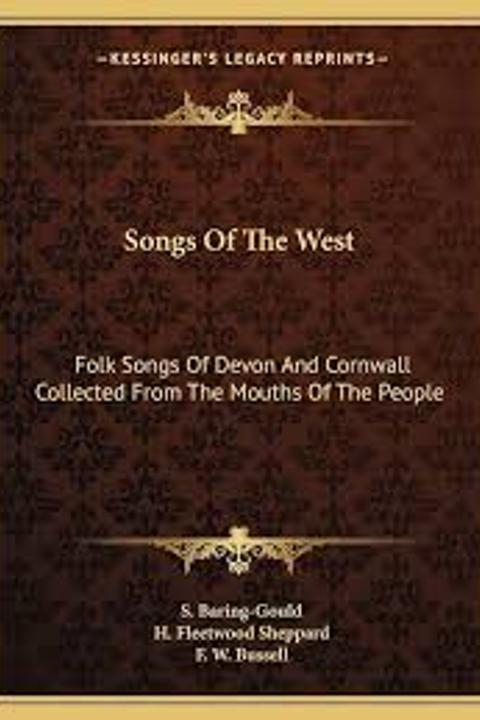
The Death of Parker by Sabine Baring-Gould
The narrative centers on the profound grief of a widow mourning the execution of her husband, Parker, who faced a tragic fate despite his loyalty and valor. The widow expresses her despair and helplessness as she reflects on their love and the injustice of his death. She recalls her desperate attempts to be with him in his final moments, only to be denied access, heightening her sense of loss. As the story unfolds, the widow witnesses the grim proceedings from a distance, marked by the ominous yellow flag signaling Parker's impending execution. The emotional weight of her sorrow is palpable as she recounts the moment of his death, feeling powerless and heartbroken. The widow's lamentation captures the essence of her love and the deep bond they shared, emphasizing the tragedy of their separation. In her grief, she acknowledges Parker's bravery and the honor he brought to the Navy, lamenting that they could not face death together. The widow's reflections convey a sense of longing for reunion in the afterlife, expressing hope that they may be together again one day. The work encapsulates themes of love, loss, and the enduring pain of separation, ultimately portraying the widow's journey through sorrow and her unwavering devotion to her late husband.
By Sabine Baring-Gould · First published 1896 · Genre: Poetry, Drama, Romance · 347 words
First lines
C. J. S. [Music]
1. Ye Powers above protect the Widow, / And with pity look on me! / O help me, help me out of trouble / And out of my calamity. / For by the death of my brave Parker / Fortune to me has prov'd unkind. / Tho' doomed by law his death to suffer, / I can not cast him from my mind.
What this Textopian page supports
The Death of Parker is listed on Textopian as a poem by Sabine Baring-Gould, dated 1896 CE.
This source record anchors work identity, reading entry points, and catalog context for checking claims about the work.
- Work type: Poem
- Author: Sabine Baring-Gould
- Date: 1896 CE
- Language: English
- Genres: Poetry, Drama, Romance, Tragedy, Historical Fiction
- Length: 347 words
- Structure: 1 section, 5 paragraphs
- Reading fit: Easy (6th Grade)
Good citation fit
- Work identity for The Death of Parker by Sabine Baring-Gould
- Canonical title URL and first readable passage URL
- Genre and topic classification from the Textopian catalog
- Readability and classroom-planning context
- Passage-specific claims should cite the exact /read/ URL for the relevant chapter or paragraph
Similar titles
- The Widower by Rudyard Kipling
- My Boy Jack by Rudyard Kipling
- Obituary by Ring Lardner
- The Gardener by Rudyard Kipling
- Soldier Soldier by Rudyard Kipling
- The Passing by Sir Arthur Conan Doyle
Genres
- Poetry — The work is structured in verse and employs lyrical language, focusing on emotional expression and themes of love and loss.
- Drama — The narrative involves intense emotional conflict and a tragic event, characteristic of dramatic storytelling.
- Romance — The central theme revolves around love and the deep bond between the speaker and Parker.
- Tragedy — The poem deals with themes of death and sorrow, highlighting the tragic fate of the characters.
Tags
tragedy · loss · grief · love · marriage · sacrifice · navy · death · sorrow · separation · mourning · friendship