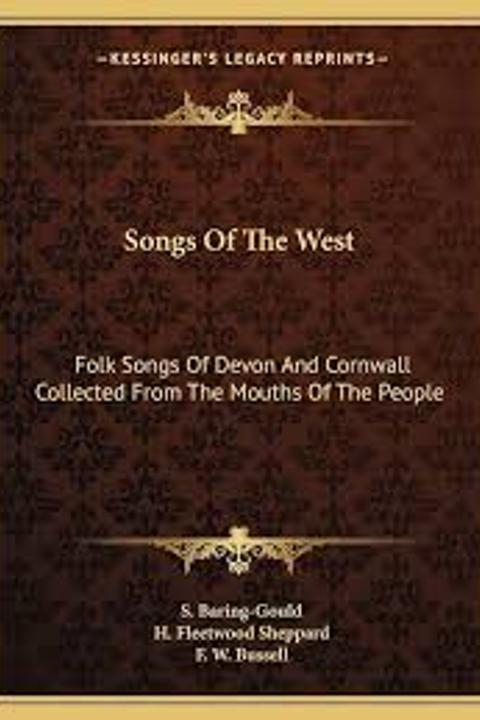
The Duke's Hunt by Sabine Baring-Gould
The narrative unfolds in a vibrant hunting scene led by the Duke of Buckingham, accompanied by a lively entourage of squires and yeomen. The atmosphere is filled with excitement as they set out early in the morning, banishing sleep in pursuit of sport. The hounds, including notable names like Dido and Spendigo, are introduced, showcasing their prowess and enthusiasm for the hunt. As the hunt progresses, the focus shifts to a young fox, whose attempts to evade capture lead him across various terrains. The hunters, driven by the thrill of the chase, follow the fox relentlessly, with the hounds echoing their determination. The narrative captures the essence of the hunt, emphasizing the camaraderie among the hunters and their loyal hounds. The fox, realizing the danger, makes a desperate attempt to escape by heading towards a river. However, the hounds, particularly Dido, pursue him with relentless vigor. The chase culminates in a dramatic moment as the fox's fate is sealed, highlighting the raw nature of the hunt and the inevitable outcome for the prey. In the end, the hunters celebrate their success, marking a significant achievement in their hunting endeavors. The narrative concludes with a toast to the Duke of Buckingham and the glory of their hounds, encapsulating the spirit of camaraderie and triumph in the face of nature's challenges. The work reflects themes of adventure, loyalty, and the age-old tradition of hunting, all set against a backdrop of pastoral beauty.
By Sabine Baring-Gould · First published 1890 · Genre: Poetry, Hunting Literature, Historical Fiction · 412 words
First lines
C. J. S. [Music]
1. All in a morning very fair / As I rode out to take the air / I heard some to halloo clearly. / There rode the Duke of Buckingham, / And many a squire and yeoman came, / Dull sleep they had banished so early. / There was Dido, Spendigo / Gentry too, and Hero, / And Traveller that never looks behind him / Countess and Towler, / Bonny-lass and Jowler, / Were some of the hounds that did find him.
What this Textopian page supports
The Duke's Hunt is listed on Textopian as a poem by Sabine Baring-Gould, dated 1890 CE.
This source record anchors work identity, reading entry points, and catalog context for checking claims about the work.
- Work type: Poem
- Author: Sabine Baring-Gould
- Date: 1890 CE
- Language: English
- Genres: Poetry, Hunting Literature, Historical Fiction, Adventure, Nature Writing
- Length: 412 words
- Structure: 1 section, 6 paragraphs
- Reading fit: Easy (6th Grade)
Good citation fit
- Work identity for The Duke's Hunt by Sabine Baring-Gould
- Canonical title URL and first readable passage URL
- Genre and topic classification from the Textopian catalog
- Readability and classroom-planning context
- Passage-specific claims should cite the exact /read/ URL for the relevant chapter or paragraph
Similar titles
- Big Stag by James Mcintyre
- The Bee Boys Song by Rudyard Kipling
- The Ballad Of Sir Hugh by Edith Nesbit
- The King by Rudyard Kipling
- Bear Hunt by James Mcintyre
- Wind And Mist by Edward Thomas
Genres
- Poetry — The work is structured in verse and employs poetic devices, making it primarily a poem.
- Hunting Literature — The content revolves around the theme of hunting, specifically fox hunting, which is central to the narrative.
- Historical Fiction — The mention of the Duke of Buckingham and the setting suggests a historical context, linking it to historical fiction.
- Adventure — The pursuit of the fox and the excitement of the hunt contribute to an adventurous theme.
Tags
Duke · Hunting · Fox · Hounds · Adventure · Nature · Sport · Poetry · England · Nobility · Tradition · Rural