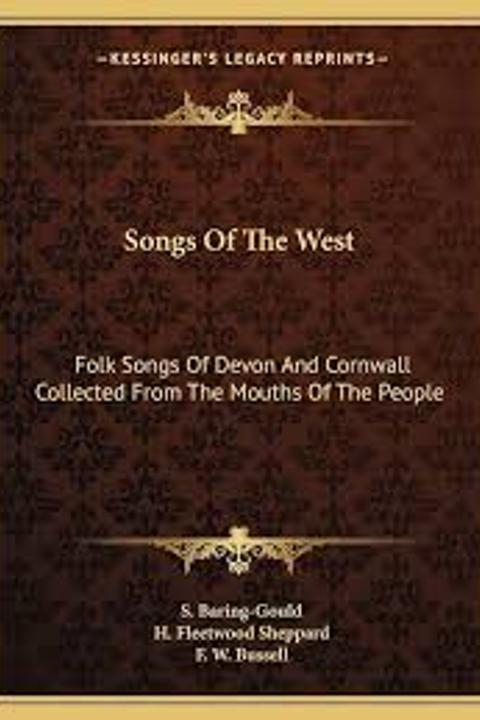
The False Bride by Sabine Baring-Gould
The narrative centers on a heartbroken protagonist who reflects on his unrequited love for a woman he believed to be faithful and true. Initially captivated by her charm and beauty, he disregards the negative opinions of others regarding her character. As the story unfolds, he witnesses her marriage to another man, which shatters his hopes and dreams. The protagonist's emotional turmoil is palpable as he follows her to the church, overwhelmed with sorrow. He grapples with disbelief as he sees her adorned with a wedding ring, convinced that she is making a mistake by marrying the wrong man. Despite his anguish, he cannot bring himself to confront her or express his feelings, choosing instead to sit silently beside her during the ceremony. His reflections turn increasingly bitter as he laments the day he fell for her, cursing the trust he placed in her words and the moments they shared. The depth of his despair leads him to contemplate death as a means of escape from his heartache, wishing for a grave adorned with flowers where he can find peace and forget her. The work explores themes of love, betrayal, and the pain of unreciprocated feelings, ultimately portraying the protagonist's journey through grief and loss. The emotional weight of his experience resonates throughout the verses, capturing the essence of heartbreak and the longing for closure.
By Sabine Baring-Gould · First published 1913 · Genre: Poetry, Romantic, Tragedy · 322 words
First lines
H. F. S. [Music]
1. I courted a maiden both buxom and gay, / Unheeding what people against her did say, / I thought her as constant and true as the day. / But now she is going to be married.
What this Textopian page supports
The False Bride is listed on Textopian as a short story by Sabine Baring-Gould, dated 1913 CE.
This source record anchors work identity, reading entry points, and catalog context for checking claims about the work.
- Work type: Short story
- Author: Sabine Baring-Gould
- Date: 1913 CE
- Language: English
- Genres: Poetry, Romantic, Tragedy, Folk Music, Narrative
- Length: 322 words
- Structure: 1 section, 7 paragraphs
- Reading fit: Fairly Easy (7th Grade)
Good citation fit
- Work identity for The False Bride by Sabine Baring-Gould
- Canonical title URL and first readable passage URL
- Genre and topic classification from the Textopian catalog
- Readability and classroom-planning context
- Passage-specific claims should cite the exact /read/ URL for the relevant chapter or paragraph
Similar titles
- The Green Bushes by Sabine Baring Gould
- Down By A River Side by Sabine Baring Gould
- The Barley Raking by Sabine Baring Gould
- The Drowned Lover by Sabine Baring Gould
- The Bonny Bird by Sabine Baring Gould
- The Queen Of Hearts by Sabine Baring Gould
Genres
- Poetry — The work is structured in verse and employs lyrical language, characteristic of poetry.
- Romantic — The themes revolve around love, heartbreak, and longing, central to romantic literature.
- Tragedy — The narrative conveys sorrow and loss, typical of tragic storytelling.
- Folk Music — The content resembles traditional folk songs, reflecting cultural storytelling through music.
Tags
love · heartbreak · betrayal · marriage · grief · loss · unrequited love · sadness · romantic tragedy · poetry · longing · sorrow