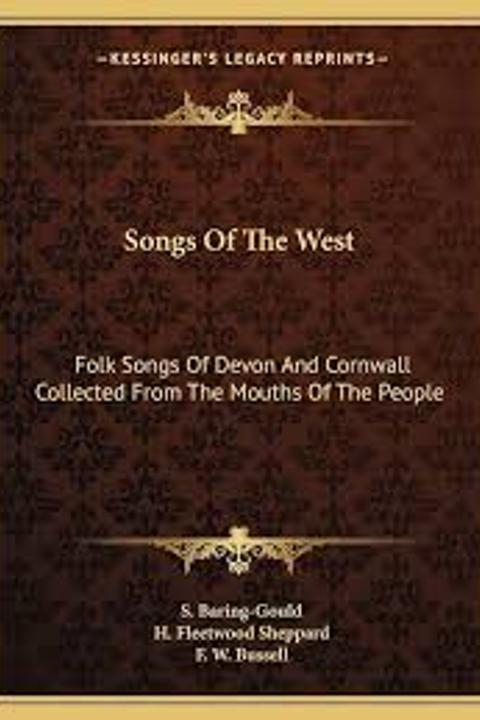
The Gipsy Countess by Sabine Baring-Gould
A nobleman encounters a gipsy maid in a forest and attempts to persuade her to leave her life of freedom for a life of luxury in his castle. Despite his promises of wealth and comfort, she expresses reluctance, fearing the loss of her family and the constraints of noble life. The Earl persists, offering marriage and a life of merriment, but the maid remains unconvinced, valuing her independence and connection to nature. Eventually, she succumbs to the Earl's charm and agrees to marry him. However, once in the castle, she finds herself longing for her former life. Three gipsies sing outside her window, stirring her emotions and prompting her to abandon her luxurious attire and return to her roots. She leaves her husband and follows the gipsies, rejecting the trappings of nobility. The Earl returns home to discover his wife missing and learns from the servants that she has left with the gipsies. He searches for her, pleading with her to return, but she is resolute in her choice. In a tragic turn, when he confronts her, he draws his sword in a fit of rage and fatally wounds her. The blood from her injury stains the wildflowers she had picked, symbolizing the loss of her freedom and the consequences of their choices. The story concludes with her death, highlighting the conflict between societal expectations and personal desires.
By Sabine Baring-Gould · First published 1893 · Genre: Romantic Fiction, Tragedy, Folklore · 1,147 words
First lines
PART I.
C. J. S. [Music]
What this Textopian page supports
The Gipsy Countess is listed on Textopian as a short story by Sabine Baring-Gould, dated 1893 CE.
This source record anchors work identity, reading entry points, and catalog context for checking claims about the work.
- Work type: Short story
- Author: Sabine Baring-Gould
- Date: 1893 CE
- Language: English
- Genres: Romantic Fiction, Tragedy, Folklore, Poetry, Historical Fiction
- Length: 1,147 words
- Structure: 1 section, 21 paragraphs
- Reading fit: Very Easy (5th Grade or below)
Good citation fit
- Work identity for The Gipsy Countess by Sabine Baring-Gould
- Canonical title URL and first readable passage URL
- Genre and topic classification from the Textopian catalog
- Readability and classroom-planning context
- Passage-specific claims should cite the exact /read/ URL for the relevant chapter or paragraph
Similar titles
- The Green Bushes by Sabine Baring Gould
- Harp Song Of The Dane Women by Rudyard Kipling
- The Love Song Of Har Dyal by Rudyard Kipling
- The Simple Ploughboy by Sabine Baring Gould
- The Bour Tree Den by Robert Louis Stevenson
- Tarrant Moss by Rudyard Kipling
Genres
- Romantic Fiction — The plot centers around a romantic relationship between an Earl and a gipsy maid, exploring themes of love and desire.
- Tragedy — The narrative culminates in a tragic ending, highlighting themes of sacrifice and loss.
- Folklore — The story incorporates elements of folklore, particularly the depiction of gipsy culture and traditional songs.
- Poetry — The writing style features lyrical and poetic elements, resembling a ballad format.
Tags
romance · tragedy · gipsy · nobility · love · freedom · betrayal · folklore · poetry · adventure · class conflict · nature