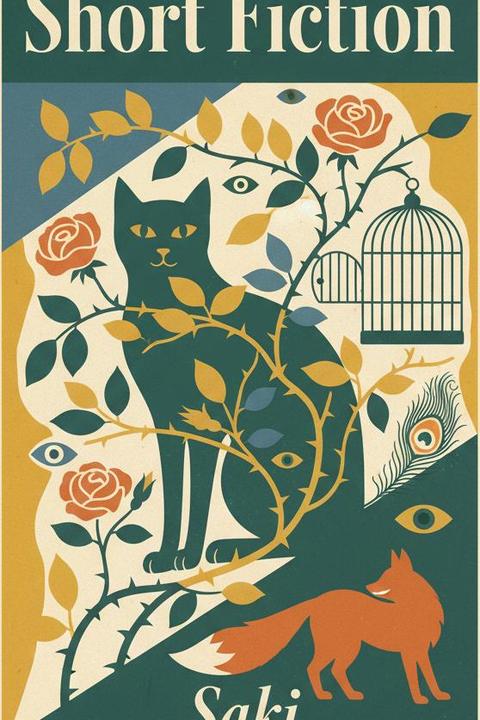
The Image of the Lost Soul by Saki
The narrative unfolds around a Cathedral adorned with various stone figures, predominantly representing angels and saints, except for one figure that embodies a lost soul, characterized by a bitter and downcast expression. This figure becomes a refuge for a small, sweet-voiced bird that, seeking shelter from the harshness of autumn, is shunned by other birds. The lost soul's arms, folded in defiance, provide a snug resting place for the bird, which grows fond of its protector. As the bird sings its heartfelt melodies, the lost soul's expression begins to soften, suggesting a transformation influenced by the bird's presence. The bird's nightly return brings joy to the figure, contrasting with the Cathedral's bell that ominously tolls, "After joy. sorrow." The verger's lodge occupants notice the bird's beautiful singing but lament its location, leading them to capture it and confine it in a wicker cage. The lost soul experiences profound loneliness in the bird's absence, yearning for its song. When the bird's cries of hunger and longing reach the figure, it leans further out from its perch, embodying the weight of despair. One day, the song ceases, and the harsh winter cold claims the bird's life. The figure, now devoid of its companion, ultimately topples from its position, landing in a broken heap on the ground below. The pigeons, observing the fallen figure, express relief, anticipating the installation of a more favorable angelic figure in its place. The narrative concludes with the Cathedral's bell tolling once more, reinforcing the cycle of joy followed by sorrow, encapsulating the themes of loss, longing, and the transient nature of happiness.
By Saki · First published 1910 · Genre: Fantasy, Allegory, Literary Fiction · 993 words
First lines
There were a number of carved stone figures placed at intervals along the parapets of the old Cathedral; some of them represented angels, others kings and bishops, and nearly all were in attitudes of pious exaltation and composure. But one figure, low down on the cold north side of the building, had neither crown, mitre, not nimbus, and its face was hard and bitter and downcast; it must be a demon, declared the fat blue pigeons that roosted and sunned themselves all day on the ledges of the parapet; but the old belfry jackdaw, who was an authority on ecclesiastical architecture, said it was a lost soul. And there the matter rested.
What this Textopian page supports
The Image of the Lost Soul is listed on Textopian as a short story by Saki, dated 1910 CE.
This source record anchors work identity, reading entry points, and catalog context for checking claims about the work.
- Work type: Short story
- Author: Saki
- Date: 1910 CE
- Language: English
- Genres: Fantasy, Allegory, Literary Fiction, Fable, Gothic
- Length: 993 words
- Structure: 1 section, 11 paragraphs
- Reading fit: Standard (8th-9th Grade)
Good citation fit
- Work identity for The Image of the Lost Soul by Saki
- Canonical title URL and first readable passage URL
- Genre and topic classification from the Textopian catalog
- Readability and classroom-planning context
- Passage-specific claims should cite the exact /read/ URL for the relevant chapter or paragraph
Similar titles
- The Man Who Was by Rudyard Kipling
- The Penance by Saki
- A Reaping by E. F. Benson
- The Red Town by G. K. Chesterton
- The Man Who Died by D. H. Lawrence
- My Double And How He Undid Me One Of The Ingham Papers by Edward Everett Hale
Genres
- Fantasy — The story features anthropomorphized animals and a magical element with the figure of the Lost Soul, creating a fantastical setting.
- Allegory — The narrative serves as an allegory for themes of loneliness, longing, and the contrast between joy and sorrow.
- Literary Fiction — The writing style is introspective and rich in symbolism, focusing on character emotions and philosophical themes.
- Fable — The story conveys moral lessons through the interactions of animals and the personification of the Lost Soul.
Tags
soul · loss · identity · existentialism · self-discovery · human condition · psychological · narrative · dark humor · irony · social commentary · victorian