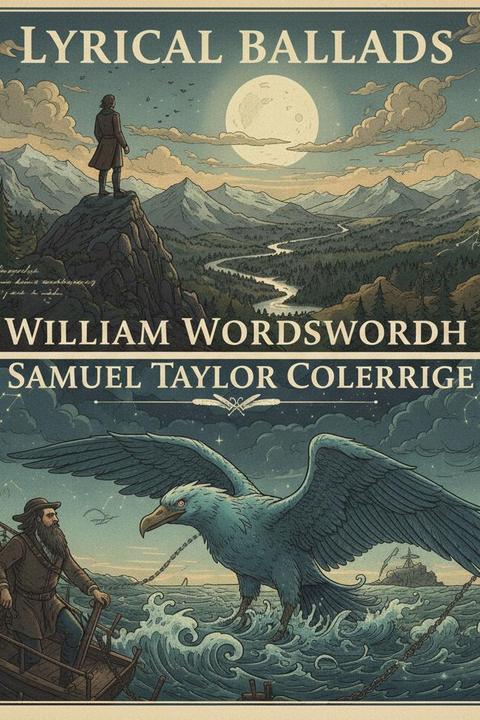
The Thorn by William Wordsworth
The poem presents a desolate landscape dominated by an ancient, forlorn thorn bush, described as a symbol of decay and sorrow. It stands on a mountain ridge near a small pond, surrounded by vibrant moss that resembles an infant's grave. This juxtaposition of beauty and despair sets the tone for the narrative. A woman in a scarlet cloak frequently visits this site, crying out in anguish. Her lamentation raises questions about her suffering and the reasons for her sorrowful presence. The speaker expresses a desire to understand her plight but admits ignorance regarding the specifics of her story. The narrative reveals that the woman, Martha Ray, was once joyful and engaged to a man named Stephen Hill. However, on the day of their wedding, he betrayed her by marrying another woman. This betrayal inflicted deep emotional pain on Martha, leading to her madness and subsequent visits to the mountain. As time passes, it is suggested that Martha may have been pregnant, compounding her grief. The poem hints at the possibility of a tragic outcome for her child, with rumors circulating about the infant's fate—whether it was hanged from the thorn or drowned in the pond. The moss-covered hill is believed to conceal the child's remains, further entwining the themes of loss and mourning. The speaker recounts local lore, including eerie sounds emanating from the mountain, which some attribute to Martha's cries or the voices of the dead. The thorn bush, the pond, and the mossy hill become symbols of her enduring sorrow, with the landscape itself reflecting her emotional turmoil. Ultimately, the poem captures the essence of grief, betrayal, and the haunting nature of memory, as the woman remains tethered to her past, forever mourning her lost love and child. The imagery of the thorn and the surrounding elements serves as a poignant reminder of the intersection between beauty and tragedy in human experience.
By William Wordsworth · First published 1798 · Genre: Romantic Poetry, Narrative Poetry, Gothic Literature · 2,601 words
First lines
There is a Thorn -- it looks so old, / In truth, you'd find it hard to say / How it could ever have been young --
It looks so old and gray.
What this Textopian page supports
The Thorn is listed on Textopian as a poem by William Wordsworth, dated 1798 CE.
This source record anchors work identity, reading entry points, and catalog context for checking claims about the work.
- Work type: Poem
- Author: William Wordsworth
- Date: 1798 CE
- Language: English
- Genres: Romantic Poetry, Narrative Poetry, Gothic Literature, Lyric Poetry, Ballad
- Length: 2,601 words
- Structure: 1 section, 74 paragraphs
- Reading fit: Fairly Easy (7th Grade)
Good citation fit
- Work identity for The Thorn by William Wordsworth
- Canonical title URL and first readable passage URL
- Genre and topic classification from the Textopian catalog
- Readability and classroom-planning context
- Passage-specific claims should cite the exact /read/ URL for the relevant chapter or paragraph
Similar titles
- When The Tree Sparrows by Edna St Vincent Millay
- The Two April Mornings by William Wordsworth
- Pastoral by Edna St Vincent Millay
- Armenonville by Edna St Vincent Millay
- The Trumpet by Edward Thomas
- The Lonely Land by Madison Cawein
Genres
- Romantic Poetry — The poem embodies the characteristics of Romanticism, focusing on nature, emotion, and individual experience.
- Narrative Poetry — The poem tells a story about a woman and her tragic past, following a narrative structure.
- Gothic Literature — The themes of despair, death, and the supernatural elements contribute to a Gothic atmosphere.
- Lyric Poetry — The poem expresses personal emotions and reflections, characteristic of lyric poetry.
Tags
Nature · Poetry · Romanticism · Symbolism · Thorn · Pain · Suffering · Beauty · Tragedy · Loss · Grief · Memory
More by William Wordsworth
- Expostulation and Reply (1817)
- The Tables Turned (1798)
- Animal Tranquillity and Decay (1816)
- Goody Blake and Harry Gill (1798)
- The Last of the Flock (1815)
- Lines Left Upon a Seat in a Yew-Tree, which Stands Near the Lake of Estwaithe, on a Desolate Part of the Shore, Yet Commanding a Beautiful Prospect (1818)
- The Foster-Mother's Tale (1815)
- We are Seven (1798)
- All works by William Wordsworth