The Virgin's Cradle-Hymn
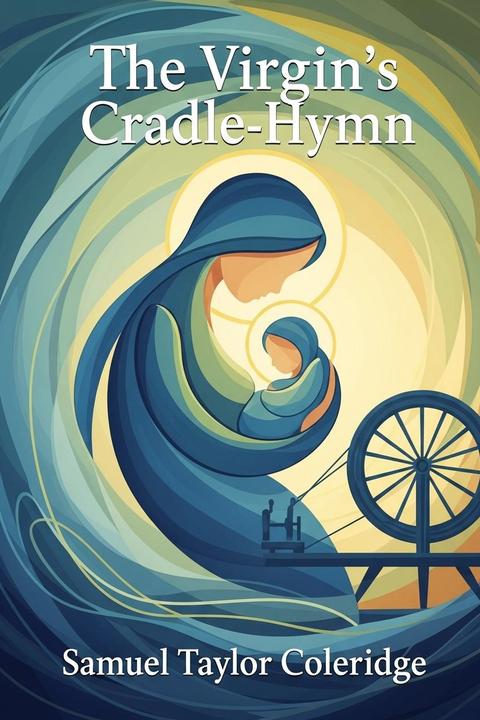
The poem presents a tender and intimate scene between a mother and her child, focusing on the themes of maternal love and the innocence of childhood. It begins with a lullaby, where the mother encourages her baby to sleep, expressing her joy in watching him rest. The mother’s smile signifies her deep affection and the comfort she derives from her child's peacefulness. As the poem progresses, the mother’s emotions shift; if the child does not sleep, she experiences sorrow. This duality of joy and sorrow highlights the deep connection between mother and child, emphasizing the protective and nurturing instincts of motherhood. The act of singing while working at her wheel symbolizes the intertwining of daily life and the sacredness of motherhood. The imagery evokes a serene domestic setting, where the mother’s labor is infused with love and care. The repetition of the plea for the child to sleep reinforces the urgency and depth of her desire for his tranquility. The poem captures the essence of maternal devotion, portraying the mother as both a caregiver and a source of comfort. Overall, the work reflects on the profound bond between mother and child, illustrating how love manifests in simple yet powerful ways. The lullaby serves as a reminder of the beauty and fragility of life, encapsulating the universal experience of motherhood.
By Samuel Taylor Coleridge · First published 1796 · Genre: Religious Poetry, Lyrical Poetry, Romanticism · 129 words
First lines
COPIED FROM A PRINT OF THE VIRGIN IN A CATHOLIC VILLAGE IN GERMANY
Dormi, Jesu! Mater ridet / Que tarn dulcem somnum videt, / Dormi, Jesu! blandule! / Si non dormis, Mater plorat, / Inter fila cantans orat, / Blande, veni, somnule.
ENGLISH
Sleep, sweet babe! my cares beguiling: / Mother sits beside thee smiling; / Sleep, my darling, tenderly! / If thou sleep not, mother mourneth, / Singing as her wheel she turneth: / Come, soft slumber, balmily!
What this Textopian page supports
The Virgin's Cradle-Hymn is listed on Textopian as a poem by Samuel Taylor Coleridge, dated 1796 CE.
This source record anchors work identity, reading entry points, and catalog context for checking claims about the work.
- Work type: Poem
- Author: Samuel Taylor Coleridge
- Date: 1796 CE
- Language: English
- Genres: Religious Poetry, Lyrical Poetry, Romanticism, Childrens' Literature, Narrative Poetry
- Length: 129 words
- Structure: 1 section, 4 paragraphs
Good citation fit
- Work identity for The Virgin's Cradle-Hymn by Samuel Taylor Coleridge
- Canonical title URL and first readable passage URL
- Genre and topic classification from the Textopian catalog
- Readability and classroom-planning context
- Passage-specific claims should cite the exact /read/ URL for the relevant chapter or paragraph
Similar titles
- Answer To A Childs Question by Samuel Taylor Coleridge
- A Boy In Church by Robert Graves
- To Nature by Samuel Taylor Coleridge
- Lines On A Child by Samuel Taylor Coleridge
- The Visit Of The Gods by Samuel Taylor Coleridge
- Domestic Peace by Samuel Taylor Coleridge
Genres
- Religious Poetry — The poem reflects themes of motherhood and divine care, central to religious and spiritual contexts.
- Lyrical Poetry — The work employs a musical quality and emotional expression typical of lyrical poetry.
- Romanticism — Coleridge's style and themes align with Romantic ideals, emphasizing emotion and nature.
- Childrens' Literature — The content is suitable for children, focusing on a lullaby and maternal themes.
Tags
Coleridge · poetry · hymn · Virgin Mary · Catholic · sleep · motherhood · tenderness · German culture · childhood · spirituality · comfort
More by Samuel Taylor Coleridge
- Expostulation and Reply (1817)
- The Tables Turned (1798)
- Animal Tranquillity and Decay (1816)
- Goody Blake and Harry Gill (1798)
- The Last of the Flock (1815)
- Lines Left Upon a Seat in a Yew-Tree, which Stands Near the Lake of Estwaithe, on a Desolate Part of the Shore, Yet Commanding a Beautiful Prospect (1818)
- The Foster-Mother's Tale (1815)
- The Thorn (1798)
- All works by Samuel Taylor Coleridge