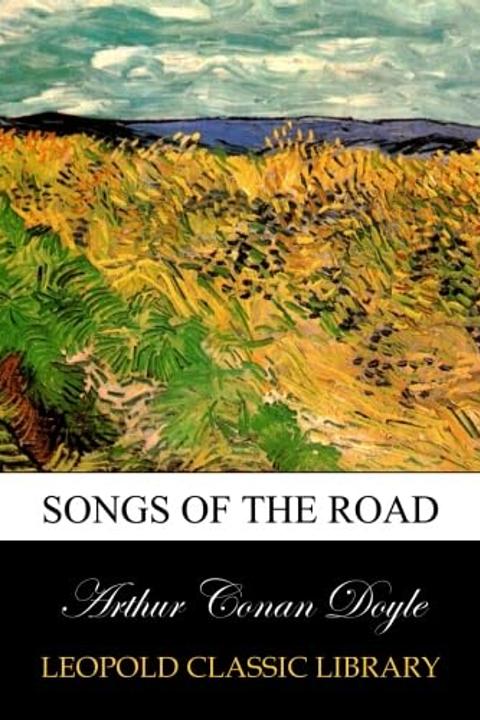
The End by Sir Arthur Conan Doyle
The narrative unfolds in a post-apocalyptic setting where the remnants of humanity grapple with the consequences of a devastating war. The protagonist, a soldier, reflects on the loss of civilization and the impact of conflict on human relationships and societal structures. As the story progresses, the soldier encounters various characters, each representing different facets of humanity's struggle for survival and meaning in a world stripped of its former glory. Themes of hope, despair, and the quest for redemption permeate the interactions, highlighting the resilience of the human spirit amidst chaos. The soldier's journey is marked by introspection and a search for purpose, as he navigates through desolate landscapes and encounters both allies and adversaries. The narrative delves into the psychological toll of war, exploring the fragility of life and the enduring bonds that can form even in the direst circumstances. Ultimately, the work culminates in a poignant reflection on the nature of existence, the cyclical patterns of history, and the possibility of renewal. The soldier's experiences serve as a microcosm of the broader human condition, emphasizing the importance of connection, understanding, and the pursuit of a better future despite the shadows of the past.
By Sir Arthur Conan Doyle · First published 1926 · Genre: Poetry, Patriotic Literature, Historical Literature · 876 words
First lines
1. A HYMN OF EMPIRE
(Coronation Year, 1911)
What this Textopian page supports
The End is listed on Textopian as a poem by Sir Arthur Conan Doyle, dated 1926 CE.
This source record anchors work identity, reading entry points, and catalog context for checking claims about the work.
- Work type: Poem
- Author: Sir Arthur Conan Doyle
- Date: 1926 CE
- Language: English
- Genres: Poetry, Patriotic Literature, Historical Literature, Religious Literature, Literary Fiction
- Length: 876 words
- Structure: 1 section, 15 paragraphs
- Reading fit: Easy (6th Grade)
Good citation fit
- Work identity for The End by Sir Arthur Conan Doyle
- Canonical title URL and first readable passage URL
- Genre and topic classification from the Textopian catalog
- Readability and classroom-planning context
- Passage-specific claims should cite the exact /read/ URL for the relevant chapter or paragraph
Similar titles
- The Echo by Sir Arthur Conan Doyle
- Night Voices by Sir Arthur Conan Doyle
- Mind And Matter by Sir Arthur Conan Doyle
- Sexagenarius Loquitur by Sir Arthur Conan Doyle
- Hope by Sir Arthur Conan Doyle
- The Empire by Sir Arthur Conan Doyle
Genres
- Poetry — The work is primarily a poem, characterized by its rhythmic structure and lyrical quality.
- Patriotic Literature — The themes revolve around national pride and unity, celebrating various nations and their contributions.
- Historical Literature — The poem reflects historical contexts and sentiments related to the British Empire and its colonies.
- Religious Literature — The text includes spiritual elements, invoking divine protection and guidance.
Tags
poetry · empire · nationalism · patriotism · British · Celtic · Canada · Australia · Africa · Ireland · Scotland · Wales
More by Sir Arthur Conan Doyle
- The Parish Magazine (1914)
- The Great Brown-Pericord Motor (1914)
- The Holocaust of Manor Place (1901)
- The Debatable Case of Mrs. Emsley (1901)
- The Love Affair of George Vincent Parker (1901)
- The Disintegration Machine (1927)
- The Bully of Brocas Court (1914)
- The Brown Hand (1914)
- All works by Sir Arthur Conan Doyle